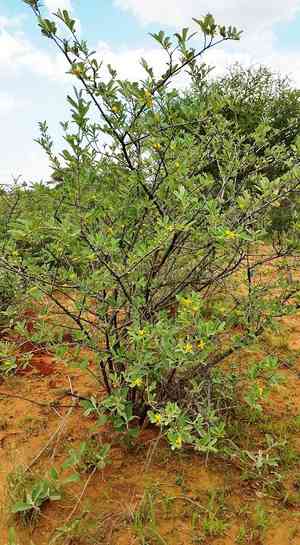
Velvet raisin (Grewia flava)
Also known as: Wild currant
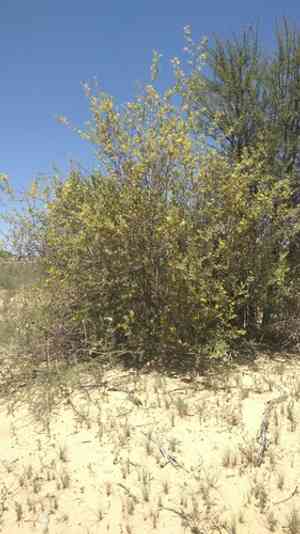
The velvet raisin plant is a hardy shrub native to arid landscapes, commonly found on savannas and rocky terrains. Its striking yellow flowers bloom in tight clusters, standing out against the more muted colors of its surroundings. The plant features heart-shaped leaves that offer a splash of green, providing shade and nourishment for local wildlife. Renowned for its resilience, the velvet raisin plant prospers where many others cannot, embodying strength and vitality in challenging environments.
In This Article
Attributes of Velvet raisin
Lifespan
Perennial
Plant Type
Shrub
Plant Height
1 to 3 meters
Spread
1 to 2 meters
Leaf Color
Green
Flower Size
1 to 2 cm
Flower Color
Yellow
Images of Velvet raisin
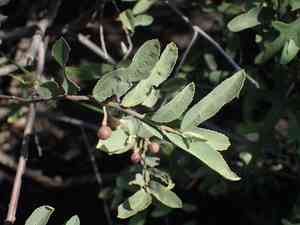
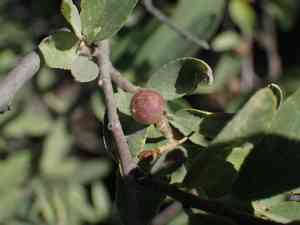
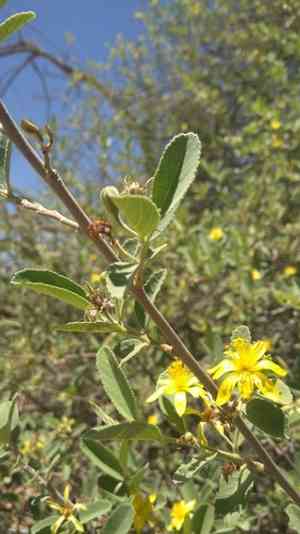
Quickly Identify Velvet raisin
1
The plant can be identified by its branched, spreading form, and distinctive yellow flowers that turn into small, round, orange to dark red fruits.
Scientific Classification of Velvet raisin
Phylum
Vascular plants
Class
Dicotyledons
Order
Malvales
Family
Mallow
Genus
Grewia
Species
Velvet raisin
Planting and Growing of Velvet raisin
Care Difficulty
Moderate
Watering Schedule
Every 3 days
Sunlight Requirements
Full sun
Sunshine Duration
4-8 hours
Ideal Temperature
70-80℉
Soil Type
Potting Mix, Peat Mix
Soil pH
6.5-7.5
Fertilizer Type
Balanced
Pruning Season
Spring, Summer
Pruning Area
Branches, Leaves
Pruning Frequency
2 times a year
Repotting Season
Spring
Pot Type
Ceramic, Plastic
 How to Water Velvet raisin?
Grewia flava, a plant adapted to dry climates, requires approximately 500 ml of water per session. The aim is to thoroughly moisten the soil without making it waterlogged. Ensure the water reaches the root zones deeply but avoid standing water in the saucer.
What are the symptoms of an underwatered Velvet raisin?
›
What should I do if my Velvet raisin is not getting enough water?
›
What are the symptoms of an overwatered Velvet raisin?
›
How to save an overwatered Velvet raisin?
›
 What Are the Sunlight Requirements for Velvet raisin?
Grewia flava ideally needs full sun to partial sun. This fosters its natural growth habits, ensuring a healthy bloom cycle and the development of a strong, resilient stature.
What is the ideal amount of sunlight?
›
How can I ensure Grewia flava gets ideal light conditions?
›
What are the benefits of ideal lighting for Grewia flava?
›
 What Is the Ideal Temperature Range for Velvet raisin?
The ideal temperature range for Grewia flava is between 70°F and 80°F. Within this range, the plant can perform optimal physiological processes, including photosynthesis and nutrient uptake. Maintaining these temperatures ensures the plant grows healthily and produces robust blooms.
 What Soil is Best for Velvet raisin?
Grewia flava thrives in soils with proper drainage to prevent root rot. Ensuring adequate drainage helps maintain root health and promotes vigorous growth. A fertile soil with ample organic matter supports Grewia flava's nutritional needs, encouraging lush foliage and better flowering. While Grewia flava requires moisture, the soil should not remain soggy. Moderate moisture retention ensures the plant remains hydrated without waterlogging.
 How to Fertilize Velvet raisin?
For Grewia flava, it's essential to apply fertilizers judiciously to promote healthy growth. Liquid fertilizers should be administered using a diluted solution, typically at one-quarter strength of the recommended dosage for general plants. This ensures that the plant receives nutrients in a gentle, easily absorbable manner without overwhelming its system.
 How to Prune Velvet raisin?
Before you start pruning Grewia flava, ensure that your pruning shears are sharp and clean. This helps you make precise cuts and reduces the risk of disease. Use a disinfectant to clean your tools to prevent any potential spread of pathogens between plants. Examine the Grewia flava carefully and identify any dead, diseased, or damaged branches. These branches should be pruned first to prevent the spread of diseases and to focus the plant’s energy on healthier growth. Cut back to a healthy segment of wood, ensuring a clean cut. To maintain an aesthetically pleasing shape, consider the natural growth habit of the Grewia flava. Aim to create a balanced canopy by cutting back any overly long branches. This will encourage more even growth and better air circulation through the plant.
More About Pruning Techniques→
 How to Propagate Velvet raisin plant?
1
Before you begin, soak the Grewia flava seeds in warm water for 24 hours. This helps to soften the seed coat, making it easier for the embryo to break through during germination.
2
Plant the seeds in a seed tray filled with a well-draining potting mix. Cover them lightly with soil, then water gently to keep the medium moist but not soggy, placing the tray in a warm, bright location.
3
For cutting propagation, select a healthy, semi-hardwood stem from the Grewia flava. Cut a 4-6 inch section using clean pruning shears, ensuring each cutting has at least two leaf nodes.
 How to Repot Velvet raisin plant?
1
Repotting Grewia flava is necessary when you see roots poking through the drainage holes or circling the root ball. If the plant shows signs of stunted growth or its soil dries out rapidly, it's time to consider repotting.
2
Select a pot that is 1-2 inches larger in diameter than the current one. Ensure it has sufficient drainage holes to prevent waterlogging, which can lead to root rot. A well-chosen pot promotes healthy root development and better plant stability.
3
Opt for a well-draining sandy soil mix, ideally with added organic matter. This blend maintains a balance of moisture retention and aeration, crucial for supporting Grewia flava's growth and preventing over-saturation.



