How to Transplant Asian bushbeech?
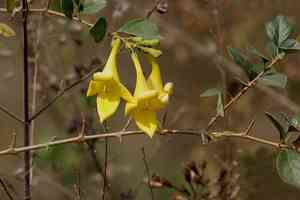
The most favorable time for relocating asian bushbeech is in the vibrant growth phase of mid to late spring, allowing roots to establish without stress. Select a bright spot with soil that drains effectively. A few helpful transplanting suggestions involve incorporating organic matter into the planting cavity for robust settling.
What Preparations are Needed Before Transplanting Asian Bushbeech?
What is the Ideal Time for Transplanting Asian Bushbeech?
The best period for relocating asian bushbeech is in the middle of spring, when its growth is strong. Moving asian bushbeech during this season helps roots quickly settle in warming soil, leading to vigorous development. This action allows asian bushbeech to adjust smoothly to its new surroundings, benefiting from the season's mild temperatures and increased daylight, all crucial for the health and longevity of asian bushbeech.
How Much Space Should You Leave Between Asian Bushbeech Plants?
Greetings, aspiring gardener! For your asian bushbeech, you'll want to provide ample room for them to thrive. Aim to space each one approximately 15-20 feet (4.6-6 meters) apart. This will give them sufficient area to reach their full potential without becoming overcrowded.
What is the Best Soil Mix for Asian Bushbeech Transplanting?
Prepare a comfortable bed for your asian bushbeech by selecting soil that drains well. Loamy soil is perfect, with some organic compost mixed in for a nourishing start. Before planting, enrich the soil with a balanced, slow-release fertilizer to provide your asian bushbeech with the nutrients they need to flourish.
Where Should You Relocate Your Asian Bushbeech?
Choose a sunny spot in your garden for your asian bushbeech. These beautiful plants love the sun, so a location where they can soak in full sunlight for most of the day will make them happiest. Avoid areas that are too shady, as asian bushbeech enjoys absorbing those rays!
What Equipments Should You Prepare Before Transplantation Asian Bushbeech?
Gardening Gloves
To safeguard your hands while handling soil and the plant.
Shovel or Spade
For excavating the plant and creating a new hole at the transplant site.
Hand Trowel
To refine the digging process and make minor adjustments as required.
Pruning Shears
To trim the plant if necessary prior to its relocation.
Wheelbarrow or Gardening Cart
For moving the soil and the plant.
Watering Can or Hose
To hydrate the plant before and after removal, and at its new location.
Mulch
To assist in retaining soil moisture following transplantation.
Rooting Hormone (optional)
To encourage root development after the transplant.
How Do You Remove Asian Bushbeech from the Soil?
How Do You Remove Asian Bushbeech from the Soil?
From Ground: First, moisten the asian bushbeech plant to dampen the soil. Then, dig a wide trench around the plant using a shovel or spade, ensuring the root ball remains intact. Carefully work the spade beneath the root ball to lift the plant from its original spot.From Pot: Start by watering the soil in the pot to facilitate easier removal of the asian bushbeech plant. Turn the pot on its side, tap the bottom, and gently pull the plant from its base. Sometimes, you might need to run a hand trowel along the inner edge of the pot to help loosen the root ball.From Seedling Tray: Water the seedlings thoroughly before beginning. Use a hand trowel or a fork to carefully lift each asian bushbeech seedling from its cell, making sure to include as much of the root system as possible.
Step-by-Step Guide for Transplanting Asian Bushbeech
Preparation
Water the asian bushbeech plant thoroughly the day before transplanting to minimize stress and hydrate its roots.
Digging the Hole
At the new site, excavate a hole that is twice as wide and the same depth as the asian bushbeech plant's root ball. Loosen the soil at the bottom of the hole to aid root penetration.
Plant Removal
Utilize the appropriate method from the 'removal process' to extract the asian bushbeech plant from its initial location.
Placing the Plant
Position the asian bushbeech plant in the center of the new hole. The top of the root ball should be level with the ground surface. If needed, backfill the hole with a small amount of soil to achieve the correct height.
Backfilling
Fill the hole with the excavated soil, gently pressing it down without excessive compaction. If using, apply rooting hormone to the roots before filling.
Watering
Once the asian bushbeech plant is in place, water the surrounding soil to settle it and eliminate air pockets. Allow the water to drain, then complete filling the hole with soil.
Mulching
Apply a thin layer of mulch around the base of the asian bushbeech plant to conserve moisture and regulate soil temperature.
How Do You Care For Asian Bushbeech After Transplanting?
Watering
Keep the soil around the asian bushbeech consistently moist for the initial few weeks to support root establishment.
Checking
Regularly inspect the asian bushbeech plant for indications of stress, such as wilting or discolored leaves, and adjust care as necessary.
Staking
If the asian bushbeech plant is tall or top-heavy, stake it to provide support and prevent damage from wind.
Pruning
Trim any damaged or broken branches to encourage new growth and help the asian bushbeech plant direct its energy towards establishing its root system.
Troubleshooting Common Issues with Asian Bushbeech Transplantation.
When is the best time to transplant asian bushbeech?
The ideal transplanting period for asian bushbeech is during the spring growth phase, from mid to late spring.
How far apart should I space asian bushbeech when transplanting?
Ensure each asian bushbeech has adequate room by spacing them 15-20 feet (4.5-6 meters) apart.
What do I do if asian bushbeech's leaves wilt after transplanting?
Leaf wilting after transplanting is common; gently increase watering frequency without waterlogging the roots, ensuring soil moisture without oversaturation.
How deep should the hole be for transplanting asian bushbeech?
Dig a hole twice the width and the same depth as the root ball to comfortably accommodate asian bushbeech.
Why does asian bushbeech need well-draining soil after transplant?
Good drainage promotes strong root growth and prevents root rot, which is crucial for asian bushbeech's success after transplanting.
What should I do if asian bushbeech doesn't bloom after transplanting?
Be patient, as transplant shock might delay flowering. Ensure sufficient water, sunlight, and nutrients to encourage blooms.
How do I prepare asian bushbeech's root ball for transplanting?
Gently loosen the root ball and trim any broken roots; this stimulates new growth and aids root establishment.
Can I transplant asian bushbeech in full sun exposure?
Yes, asian bushbeech thrives in full sun, but gradually acclimate it to prevent shock and sun-scald post-transplant.
Why is my transplanted asian bushbeech growing slowly?
Growth may initially be slow as asian bushbeech adjusts to its new location. Ensure proper care, and growth should accelerate.
What's the best way to water asian bushbeech after transplanting?
Water deeply and slowly at the base to encourage roots to extend downwards and outwards for stability and nourishment.



