How Much Sunlight Do Asian bushbeech Need?
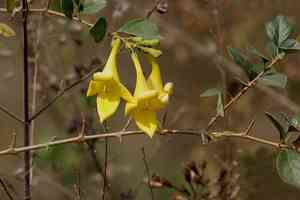
1
The Asian bushbeech flourishes with a minimum of 6 hours of direct sun daily.
2
This species tolerates some shade, though its blossoms might be less vibrant.
3
Seasonal sunlight adjustments are vital for its peak well-being.
Understanding Light Requirements for Asian bushbeech
Full Sun vs. Partial Shade: Optimal Conditions
The Asian bushbeech is adaptable, tolerating both full sun and partial shade. For robust development, it thrives in full sun, requiring at least six hours of direct sunlight daily. In these conditions, its foliage remains vibrant, and it's more likely to produce abundant blooms. However, in partial shade, growth may slow, and flowering might be less prolific. It's still resilient, but less light generally means fewer flowers.
Determining Ideal Sunlight Duration
To ensure your Asian bushbeech receives optimal sun exposure, aim for a location that gets morning sunlight, which is typically less intense and more beneficial for photosynthesis. Ideally, the plant should be exposed to sunlight from mid-morning until late afternoon. An east-facing position is often best, as it captures early sun without the harshness of midday and afternoon heat.
Adapting to Seasonal Light Changes
Seasonal variations significantly influence the amount of sunlight your Asian bushbeech receives. During long summer days, prevent continuous exposure to intense afternoon sun, which can cause leaf scorch. In winter, with shorter days, maximize sun exposure by pruning overhanging branches or moving potted plants to brighter spots. This seasonal adaptation supports the plant's health year-round.
Effects of Inadequate or Excessive Sunlight on Asian bushbeech
Indicators of Excessive Sunlight Exposure
Too much sunlight can harm the Asian bushbeech. Watch for signs like scorched or bleached leaves, appearing white or brittle, and wilting during the day's hottest periods. Excessive sun can also rapidly dry out the soil, stressing the plant.
Indicators of Insufficient Sunlight Exposure
Conversely, too little sunlight presents its own challenges. Look for symptoms such as etiolated growth, where the plant stretches towards the light, resulting in weak, elongated stems. A clear sign is also a lack of blossoms; the Asian bushbeech needs ample light to flower. Additionally, the plant's overall vigor might decline, giving it a dull appearance.
Remedial Actions for Unbalanced Sunlight
If you observe signs of improper sunlight exposure, corrective actions can be taken. For too much sun, consider relocating the plant to a slightly shadier area or using shade cloths to reduce intensity. If there's insufficient light, replanting it in a brighter spot or trimming nearby foliage to allow more light can help. Potted plants can simply be repositioned to maximize their exposure.
Strategies for Optimizing Sunlight for Asian bushbeech
Selecting the Best Garden Placement
Placement is crucial for the Asian bushbeech. Ideally, plant it in an area that receives full morning sun. Gardens with an eastern orientation are perfect. If consistent full sun isn't available, aim for a spot with at least partial sun and good light throughout the day. This strategic positioning ensures the plant gets the light it needs without overexposure.
Utilizing Shade Cloths and Light Diffusers
Shade cloths and light diffusers are excellent tools for managing sunlight exposure. In peak summer, a 30-40% shade cloth can shield the Asian bushbeech from harsh midday sun, preventing leaf burn while allowing sufficient light for growth. Light diffusers can also distribute sunlight evenly, minimizing stress on any single part of the plant.
Seasonal Adjustments for Peak Growth
As seasons change, your sunlight management strategies should too. During summer, ensure the plant has protection from the sun during the hottest hours. In winter, maximize sun exposure by removing any obstructions that block light. These adjustments help maintain a natural growth cycle and keep your Asian bushbeech thriving.



