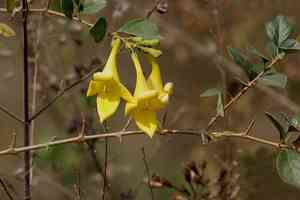
Asian bushbeech (Gmelina asiatica)
Also known as: Forest Beech, Asian Bush Beech
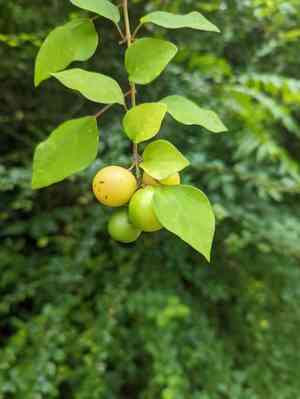
The Asian bushbeech, native to India and Southeast Asia, is a spiny shrub reaching up to 10 meters in height. It produces clusters of small yellow flowers, making it an attractive choice for ornamental purposes. When ripe, its fruits also turn yellow. The genus name, Gmelina, pays tribute to Johann G. Gmelin, an 18th-century German naturalist.
In This Article
Attributes of Asian bushbeech
Lifespan
Perennial
Plant Type
Shrub
Plant Height
1 m to 10 m
Spread
1.5-3 meters
Leaf Color
Green
Flower Size
4 cm to 5 cm
Flower Color
Yellow
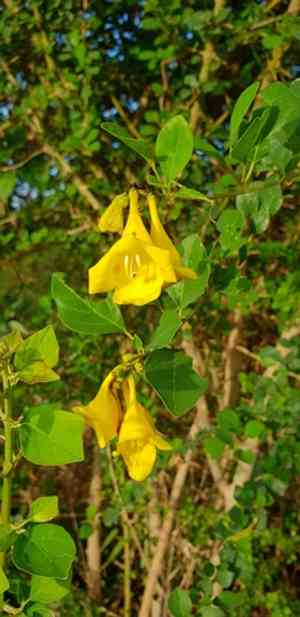
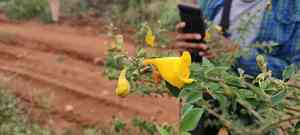
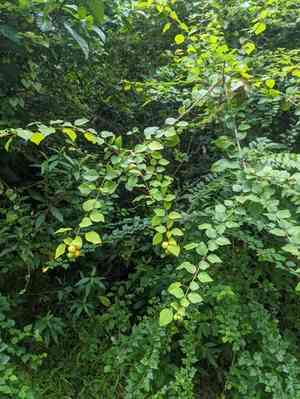
Images of Asian bushbeech
Quickly Identify Asian bushbeech
1
To identify Gmelina asiatica, look for its ovate to elliptic leaves, which are typically 3-10 cm long. The plant produces yellow, tubular flowers around 2-3 cm in diameter, and its fruit is a small drupe, initially green and turning yellow or orange when ripe.
Scientific Classification of Asian bushbeech
Phylum
Vascular plants
Class
Dicotyledons
Order
Lamiales
Family
Mint
Genus
Gmelina
Species
Asian bushbeech
Planting and Growing of Asian bushbeech
Care Difficulty
Easy
Watering Schedule
Every 3 days
Sunlight Requirements
Partial sun
Sunshine Duration
4-8 hours
Ideal Temperature
68-86℉
Soil Type
Potting Mix, Peat Mix
Soil pH
6.5-7.5
Fertilizer Type
Balanced
Pruning Season
Spring, Summer
Pruning Area
Branches, Leaves
Pruning Frequency
2 times a year
Repotting Season
Spring
Pot Type
Plastic, Ceramic
 How to Water Asian bushbeech?
For Gmelina asiatica, ensure the soil is thoroughly drenched but not waterlogged. Water until it starts draining from the pot's bottom, then stop. This ensures deep root hydration without drowning the plant.
What are the symptoms of an underwatered Asian bushbeech?
›
What should I do if my Asian bushbeech is not getting enough water?
›
What are the symptoms of an overwatered Asian bushbeech?
›
How to save an overwatered Asian bushbeech?
›
 What Are the Sunlight Requirements for Asian bushbeech?
Gmelina asiatica ideally grows in partial sun, benefiting from a balance of light and shade daily. This conditions biological processes, enhancing photosynthesis and promoting vibrant foliage and healthy flowering.
More About Sunlight Requirements Techniques→
What type of light does Gmelina asiatica prefer?
›
How can you ensure Gmelina asiatica gets ideal light?
›
What benefits does ideal light provide Gmelina asiatica?
›
 What Is the Ideal Temperature Range for Asian bushbeech?
Gmelina asiatica thrives in a warm climate with optimal temperatures ranging from 68°F to 86°F. These temperatures provide the best conditions for growth and development, allowing the plant to flourish and sustain its foliage.
 What Soil is Best for Asian bushbeech?
Gmelina asiatica thrives in nutrient-rich soils as they provide essential minerals and organic material necessary for vigorous growth. This soil enhances root development and overall plant health, making it ideal for optimal yield. Proper drainage in soil is crucial to prevent root rot and other water logging issues. For Gmelina asiatica, well-drained soils ensure roots have sufficient air exchange and avoid the suffocation of essential root hairs. While well-drained, the soil must also retain adequate moisture to keep Gmelina asiatica hydrated. Moisture retention facilitates continuous nutrient absorption, avoiding wilting and stress in arid conditions.
 How to Fertilize Asian bushbeech?
For Gmelina asiatica, the amount of fertilizer depends on the type used. For liquid fertilizers, mix half a tablespoon per gallon of water, ensuring the solution evenly reaches the soil, providing balanced nutrients without scorching roots. Granular formulas require a less frequent application, typically around 50 grams per square meter, spread evenly over the soil surface and watered generously to aid absorption.
 How to Prune Asian bushbeech?
Begin by identifying and removing branches that appear diseased, dead, or damaged. Cut these branches back to a healthy junction or at the base to promote cleaner growth and overall plant health. Overly dense branches should be thinned to improve air circulation and light penetration. This encourages a more balanced growth pattern and reduces the risk of fungal infections due to better airflow. Focus on shaping the plant by trimming excess growth from the sides to promote a symmetrical form. Use selective cuts to encourage more branching, which leads to a fuller bush and increased flowering opportunities.
More About Pruning Techniques→
 How to Propagate Asian bushbeech plant?
1
Before planting, soak the seeds of Gmelina asiatica in water for 24 hours to enhance germination rates. This step is crucial as it helps to soften the seed coat, allowing the seed to absorb moisture more effectively.
2
Select a healthy growth branch, cut it 4-6 inches long using sterilized pruning shears, and remove the lower leaves. It ensures that the cutting has a node buried in the soil, which is essential for root development.
3
Bend a low-growing branch to the ground, gently scrape the bark where it touches the soil, and cover it with soil. Secure in place and keep it moist until roots develop. This technique helps in propagating plants that are difficult to root through cuttings.
 How to Repot Asian bushbeech plant?
1
Repot Gmelina asiatica when roots start to emerge from the drainage holes, signaling that the plant has outgrown its current pot. Additionally, early spring or summer is the ideal time before the vigorous growth phase begins, ensuring minimal stress.
2
Select a pot that is no more than 2 inches larger in diameter than the current one, which prevents overwatering and encourages proper root development. Ensure it's made of a breathable material with drainage holes to aid in water management.
3
Opt for a well-draining, loamy soil mix, enriched with organic matter. This provides essential nutrients and prevents root rot by allowing excess water to escape, crucial for healthy growth and development of Gmelina asiatica.



