How to Prune Asian bushbeech?
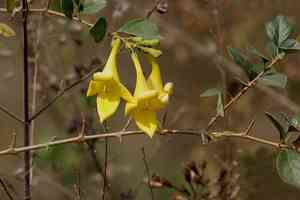
Maintaining asian bushbeech, a decorative deciduous shrub, necessitates consistent trimming to preserve its form and stimulate robust development. Perform pruning on asian bushbeech in either early spring or late winter, prior to the emergence of new foliage. Eliminate any deceased, injured, or excessively dense branches to improve air movement and light exposure, thereby aiding in disease prevention. Removing the most mature stems facilitates revitalization. This practice also fosters a compact, appealing structure, leading to more abundant blooms and enhanced plant vitality.
What Are the Benefits of Pruning Asian Bushbeech?
What Are the Benefits of Pruning Asian Bushbeech?
Trimming asian bushbeech helps it maintain a dense shape, encouraging robust development. This gardening technique allows for shaping the plant, improving both its visual appeal and overall vitality.
What Is the Best Time for Pruning Asian Bushbeech?
What Is the Best Time for Pruning Asian Bushbeech?
Late winter and early spring are the ideal times for trimming asian bushbeech, as these periods occur before the plant's active growth cycle begins. Pruning in late winter promotes quick wound healing as the plant enters its growth phase. Early spring pruning, after the last frost but before new growth emerges, enables gardeners to shape the plant and remove any dead or damaged branches. This timing ensures the plant has sufficient stored energy for recovery and supports vigorous growth. It also minimizes stress on asian bushbeech, which can positively impact flowering and fruit production in subsequent seasons. Additionally, pruning during dormancy helps prevent the spread of diseases that are more active in warmer, more humid conditions.
What Tools Do I Need to Prune Asian Bushbeech?
Hand Pruners
Perfect for making clean cuts on young or small branches of asian bushbeech, ensuring minimal harm to plant tissues.
Loppers
Suitable for cutting through thicker branches that hand pruners cannot handle, allowing for precise control when trimming asian bushbeech.
Pruning Saw
Essential for removing larger limbs of asian bushbeech, which may develop as it matures. The saw enables cutting through wood too thick for loppers.
Hedge Shears
Useful for trimming and shaping the denser parts of asian bushbeech, especially when aiming for a uniform hedge appearance.
Pole Pruner
Helpful when asian bushbeech has grown tall and requires trimming of branches at a higher reach without needing a ladder.
How to Prune Asian Bushbeech
Sanitize
Disinfect all pruning tools with a solution of 1 part bleach to 9 parts water to prevent disease transmission. Ensure that secateurs, loppers, and saws are sharp for clean cuts.
Remove diseased material
Identify and eliminate any diseased leaves and branches from asian bushbeech. Cut diseased branches back to healthy tissue, well below the affected area, to prevent further infection.
Cut withered elements
Trim off all withered leaves from asian bushbeech to maintain a healthy look and encourage new growth. Snip close to the stem, being careful not to harm healthy tissue.
Eliminate dead branches
Remove all dead branches by cutting where they meet healthy wood. For larger branches, use the three-cut method to prevent bark tearing: make a notch on the underside of the branch, then an outward cut above it, and finally remove the stub by cutting just outside the branch collar.
Shaping
After removing unhealthy material, lightly shape asian bushbeech if needed, focusing on improving air circulation and sunlight penetration to the plant's center. Avoid excessive pruning, which can stress the plant.
Common Pruning Mistakes with Asian Bushbeech
Overpruning
Removing too much foliage from asian bushbeech at once, which can stress the plant and lead to poor health or growth.
Improper cut location
Cutting either too close to the bud, potentially harming it, or too far, which can lead to unnecessary dieback and disease entry.
Pruning during active growth
Trimming asian bushbeech when it's actively growing can interrupt its natural growth cycle and potentially reduce flowering.
Using dull tools
Pruning asian bushbeech with blunt instruments can cause unnecessary damage and ragged cuts that are more prone to infection.
Neglecting sanitation
Failing to clean pruning tools between cuts and plants may spread disease to asian bushbeech.
Ignoring shape
Pruning without considering the natural shape of asian bushbeech can lead to an unsightly appearance and hinder its growth.
Common Pruning Tips for Asian Bushbeech
Sharp tools
Use sharp, clean pruning tools to make precise cuts that will heal quickly and reduce the chance of disease.
Angled cuts
Make cuts at a 45-degree angle, about 1/4 inch above a bud facing the outside of the plant, this encourages outward growth and prevents water accumulation.
Moderate pruning
Prune asian bushbeech moderately to avoid over-thinning; typically, no more than one-third of the branches should be removed in any one season.
Identify diseased wood
Carefully identify and remove any dead, diseased, or damaged wood to help maintain the health and aesthetic of asian bushbeech.
Thin inner branches
Thin out inner branches of asian bushbeech to improve air circulation and light penetration, which is beneficial for plant health and flowering.
Final cleanup
After pruning asian bushbeech, clean up fallen debris to minimize the risk of fungal diseases or pest infestation.



