How to Transplant Variable glycine?
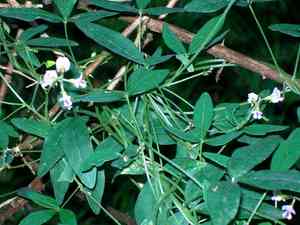
For optimal integration, variable glycine flourishes when transplanted from the latter part of spring through the peak of summer, capitalizing on the robust growing period. Select a brightly lit location with effective water runoff to accommodate variable glycine, facilitating a seamless adaptation.
What Preparations are Needed Before Transplanting Variable Glycine?
What is the Ideal Time for Transplanting Variable Glycine?
Choosing late spring to mid-summer is crucial for successful variable glycine relocation. During this period, mild temperatures and extended daylight hours create optimal conditions for variable glycine's root development, while the gradual increase in warmth promotes strong establishment before colder weather arrives. Seize this growth window, and variable glycine will flourish with vigor. Friendly reminder: This perfectly aligns with the plant's natural growth cycle, leveraging an inherently favorable phase for transplant success without exaggeration.
How Much Space Should You Leave Between Variable Glycine Plants?
Hello, gardener! When preparing to move your variable glycine to a new garden spot, aim for a spacing of approximately 2-3 feet (60-90 cm) between them. This will provide ample room for their roots to spread and for them to thrive!
What is the Best Soil Mix for Variable Glycine Transplanting?
Your variable glycine will flourish in soil that drains well and is rich in organic matter. Before transplanting, incorporate some compost or a balanced, slow-release fertilizer to give your plants a nutritional head start!
Where Should You Relocate Your Variable Glycine?
Select a sunny location for your variable glycine, where they will receive abundant light. These beautiful plants love the sun, but they also appreciate some afternoon shade, especially in hotter climates. The right spot will make all the difference!
What Equipments Should You Prepare Before Transplantation Variable Glycine?
Gardening Gloves
To safeguard your hands while handling soil and plants.
Shovel or Spade
For excavating around and beneath the plant's root ball.
Garden Fork
To loosen and aerate compacted soil around the root zone.
Watering Can or Hose
For hydrating before and after transplanting to maintain soil moisture.
Wheelbarrow or Plant Dolly
To safely move the plant without causing damage.
Secateurs or Pruning Shears
To trim any damaged roots or aerial parts of the plant.
Mulch
To help regulate soil temperature and retain moisture after transplant.
Rooting Hormone (optional)
To stimulate root growth in its new location.
How Do You Remove Variable Glycine from the Soil?
How Do You Remove Variable Glycine from the Soil?
From Ground: First, water the variable glycine to moisten the soil, making digging easier. Carefully excavate a wide circle around the plant to avoid root damage. Gently slide the shovel beneath the root ball to lift the plant, preserving as much of the root system as possible.From Pot: Begin by watering the variable glycine to facilitate root release. Tilt the pot sideways and gently tap or squeeze the sides to loosen the root ball. While tilting, guide the plant out, supporting the root ball with your hand.From Seedling Tray: Water the seedling tray to dampen the soil. Use a small tool or stick to carefully push the seedling out of its cell from the bottom. Handle the variable glycine by its leaves rather than the stem to prevent injury.
Step-by-Step Guide for Transplanting Variable Glycine
Transplant Timing
Move variable glycine during a cool part of the day, avoiding extreme temperatures to minimize plant stress.
Preparing New Site
Dig a hole twice as wide and the same depth as the root ball to provide ample space for root expansion.
Root Treatment
If used, dip roots in a rooting hormone solution to encourage growth. For a denser root ball, gently separate the outer roots.
Placing the Plant
Position variable glycine in the center of the new hole at its original growing depth, spreading out the roots.
Backfilling
Carefully refill the hole with excavated soil, gently tamping down to remove air pockets without overly compacting the soil.
Water Ground
Thoroughly water the variable glycine to settle the soil around the roots and provide essential moisture for recovery.
Staking
If variable glycine is tall or in a windy area, insert stakes and loosely tie the plant for support without restricting growth.
Applying Mulch
Add a layer of mulch around the base of variable glycine, leaving some space around the stem to prevent rot and maintain soil moisture.
How Do You Care For Variable Glycine After Transplanting?
Regular Watering
Provide variable glycine with consistent watering to maintain uniform soil moisture, reducing frequency as the plant establishes.
Monitoring
Observe for signs of stress such as wilting or yellowing and address with appropriate care.
Weeding
Keep the area around variable glycine clear of weeds that can compete for nutrients and water.
Pruning
Trim any damaged or dead parts of variable glycine to promote healthy new growth.
Stake Adjustment
Check and adjust staking materials to ensure they are secure yet not too tight as variable glycine grows.
Troubleshooting Common Issues with Variable Glycine Transplantation.
Why is my variable glycine not thriving after transplant?
Ensure transplanting occurs during the optimal period, from late spring through midsummer, providing ample root space by spacing variable glycine 2-3 feet (60-90 cm) apart.
What is the ideal soil condition for transplanting variable glycine?
Variable glycine prefers well-draining soil. Improve heavy clay or sandy soils by adding organic matter to enhance structure and water retention.
How deep should I plant variable glycine when transplanting?
The transplant hole should be as deep as the root ball but twice as wide, allowing variable glycine's roots to spread comfortably.
How much should I water variable glycine after transplanting?
Water generously immediately after transplanting, then maintain moist soil without waterlogging. Consistent moisture aids variable glycine's establishment.
Is sunlight exposure important for variable glycine after transplanting?
Absolutely! Plant variable glycine in an area with full sun to partial shade. Sufficient sunlight is vital for root establishment and growth.
How can I tell if variable glycine has transplant shock?
Signs of transplant shock include wilting, yellowing leaves, and stunted growth. Minimize stress by proper watering, mulching, and avoiding excessive handling.
Should I use fertilizer when transplanting variable glycine?
It's best to wait a few weeks after transplanting before fertilizing. Then, use a balanced, slow-release fertilizer suitable for perennials.
What's the best way to prepare variable glycine for transplanting?
Water variable glycine thoroughly a day before transplanting to ensure it's well-hydrated. This minimizes transplant shock and aids root recovery.
How often should I check on variable glycine post-transplant?
Check daily for the first couple of weeks, monitoring soil moisture and signs of stress while variable glycine establishes itself.
Can I transplant variable glycine in containers?
Certainly, variable glycine adapts well to containers. Ensure pots are sufficiently large, and there's adequate drainage to prevent root rot.



