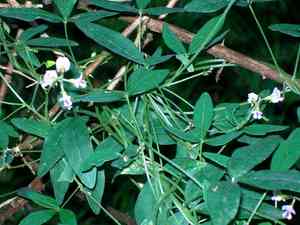
Variable glycine (Glycine tabacina)
Also known as: Native Glycine, Glycine Pea
The plant features trifoliate leaves that measure approximately 7 cm in length and 2 cm in width. During the warmer seasons, it produces racemes adorned with bluish-purple flowers. Its bean pods can reach a length of about 3 cm.
In This Article
Attributes of Variable glycine
Lifespan
Perennial
Plant Type
Herb
Plant Height
10 cm to 30 cm
Spread
0.3 to 1.0 meters
Leaf Color
Green
Flower Size
1 cm to 6 cm
Flower Color
Purple Pink
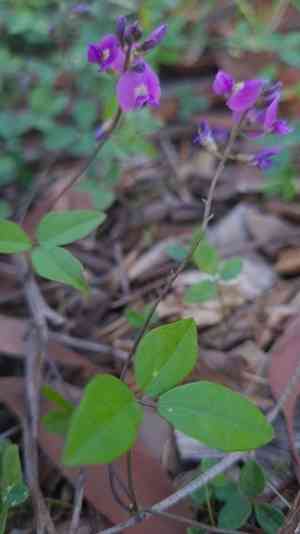
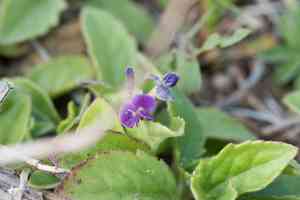
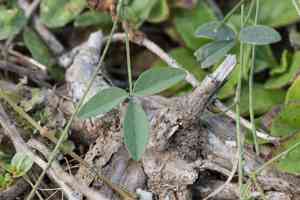
Images of Variable glycine

Quickly Identify Variable glycine
1
Glycine tabacina can be identified by its trifoliate leaves, with each leaflet being oval to lanceolate. The plant produces small, pea-like purple flowers arranged in racemes. Pods are flat, linear, and contain multiple seeds.
Scientific Classification of Variable glycine
Phylum
Vascular plants
Class
Dicotyledons
Order
Fabales
Family
Legume
Genus
Soybeans
Species
Variable glycine
Planting and Growing of Variable glycine
Care Difficulty
Easy
Watering Schedule
Every 3 days
Sunlight Requirements
Full sun
Sunshine Duration
6-10 hours
Ideal Temperature
68-86℉
Soil Type
Potting Mix, Peat Mix
Soil pH
6.5-7.5
Fertilizer Type
Balanced
Pruning Season
Spring, Summer
Pruning Area
Branches, Leaves
Pruning Frequency
2 times a year
Repotting Season
Spring
Pot Type
Plastic, Ceramic
 How to Water Variable glycine?
For Glycine tabacina, aim to keep the soil consistently moist but not waterlogged. Generally, about 200 ml per watering session is sufficient, but allow the topsoil to dry slightly between waterings to avoid root rot. Feel the top inch of the soil; if it feels dry, it's time to water.
What are the symptoms of an underwatered Variable glycine?
›
What should I do if my Variable glycine is not getting enough water?
›
What are the symptoms of an overwatered Variable glycine?
›
How to save an overwatered Variable glycine?
›
 What Are the Sunlight Requirements for Variable glycine?
The ideal range for Glycine tabacina is partial to full sun, benefiting from 5 to 8 hours of light daily. This ensures healthy growth, vibrant foliage, and a bountiful bloom cycle.
More About Sunlight Requirements Techniques→
What is the ideal light intensity?
›
How can I achieve the ideal light conditions?
›
What are the benefits of ideal lighting?
›
 What Is the Ideal Temperature Range for Variable glycine?
Glycine tabacina thrives best in temperatures ranging from 68°F to 86°F. This range ensures ideal metabolic rates for growth and helps in photosynthesis, leading to comprehensive plant health.
 What Soil is Best for Variable glycine?
Glycine tabacina thrives in well-drained soil that prevents waterlogging, which can lead to root rot. The well-draining nature of sandy or loamy soils supports healthy root development and provides the right aeration needed for optimal growth. A nutrient-rich soil provides essential minerals and nutrients that are crucial for the plant's growth. Ensuring the presence of organic matter in the soil enhances its fertility and supports the plant's flowering and seed production. While Glycine tabacina prefers well-draining soils, it also benefits from soils that retain some moisture without becoming overly saturated. This balance is essential to maintain adequate hydration, especially during dry periods.
 How to Fertilize Variable glycine?
Glycine tabacina benefits from a balanced amount of fertilizer, typically a 10-10-10 NPK ratio. When using liquid fertilizer, mix a quarter strength of the suggested amount in water to prevent nutrient burn. For slow-release granules, use around 30 grams per square meter, ensuring even distribution across the soil.
 How to Prune Variable glycine?
Begin by identifying damaged or dead stems and branches. Trim these first to prevent the spread of disease. Then look for overly dense areas where air circulation is poor, creating space by thinning selective branches. Focus on pruning just above a node or budding area to encourage new growth and flowering. This technique helps direct the plant’s energy towards new shoots, enhancing the visual appeal of your plant.
More About Pruning Techniques→
 How to Propagate Variable glycine plant?
1
To propagate from seeds, fill seed trays with a suitable potting mix, sow seeds evenly, and cover them lightly with soil. Maintain consistent moisture and place the trays in a warm, sunny area.
2
For cutting propagation, select healthy stems and use pruning shears to cut sections about 10cm long. Remove lower leaves and dip the cut end in rooting hormone before planting in a moist, well-draining substrate.
3
Divide mature plants by carefully separating root clumps. Ensure each division has a few shoots and healthy roots. Replant the divisions in prepared soil, water well, and maintain even moisture.
 How to Repot Variable glycine plant?
1
Glycine tabacina needs repotting when roots start circling the pot's perimeter or peeking out from the drainage holes. Noticeable stunted growth and reduced flowering could also indicate the need for repotting. These signs usually manifest after 1-2 years in the same pot.
2
When selecting a pot for Glycine tabacina, ensure it's only slightly larger than the current one. A pot with 1-2 inches additional diameter is ideal. This sizing prevents the potting mix from retaining excess moisture, which can potentially cause root rot. Additionally, opt for a pot with sufficient drainage holes to facilitate proper water flow and avoid stagnation.
3
For Glycine tabacina, choose a well-draining potting mix. A mix containing a blend of peat, perlite, and a bit of coarse sand is excellent. Such soil structure promotes adequate aeration and drainage, preventing root rot, while its nutrient content ensures healthy plant growth.
Learn More About Variable glycine Diseases
Anthracnose
Bacterial Leaf Spot
Bacterial Wilt
Crown Gall
Cyst Nematode
Damping-off
Downy Mildew
Drought Stress
Fusarium Wilt
Gray Mold
Leaf Spot
Mosaic
Nutrient Deficiency
Nutrient Toxicity
Powdery Mildew
Root Rot
Root-knot Nematode
Rusts
Sooty Mold
Spider Mites
Temperature Stress
Thrips Damage
White Mold



