The Variable glycine Plant Advantage: Maximizing Home and Office Appeal and Wellness
1
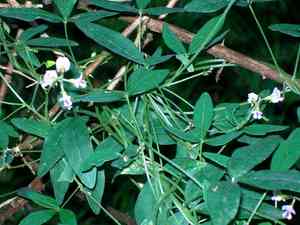
Variable glycine is a adaptable plant recognized for its capacity to fix nitrogen, thereby naturally boosting soil fertility.
2
The foliage of Variable glycine is packed with nutrients and can be utilized as a ground cover to enhance soil condition.
3
Variable glycine draws in helpful insects, fostering a more robust garden environment.
How Does Variable glycine Enhance Soil Fertility?
Nitrogen Fixation
A key advantage of Variable glycine is its capacity to fix atmospheric nitrogen. This plant forms a symbiotic relationship with soil bacteria, converting nitrogen into a form readily usable by plants. This process not only enriches the soil but also lessens the need for artificial fertilizers, fostering a more sustainable and eco-friendly garden.
Nutrient-Rich Mulch
Variable glycine leaves serve as a highly effective mulch. As they break down, they release vital nutrients back into the soil, further boosting its fertility. This natural process improves soil structure, encourages robust root development, and increases nutrient availability for other plants in your garden.
What Role Does Variable glycine Play in Supporting Garden Ecosystems?
Attracting Beneficial Insects
Variable glycine plants are known to draw in various helpful insects, including pollinators like bees and butterflies. These insects are crucial for plant pollination, which can lead to higher yields of fruits and vegetables in your garden. Additionally, some of these insects prey on garden pests, contributing to a more balanced and healthy ecosystem.
Providing Habitats
The dense foliage of Variable glycine offers an excellent refuge for small animals and insects. This can boost biodiversity in your garden, promoting a more resilient and dynamic environment. By offering shelter and food sources, Variable glycine helps sustain the intricate web of life that supports thriving garden ecosystems.
What Are the Practical Uses of Variable glycine in Your Garden?
Ground Cover
Variable glycine is an excellent ground cover choice for gardeners aiming to suppress weeds and prevent soil erosion. Its spreading growth habit forms a dense mat that covers the ground, which helps to retain soil moisture and reduce weed growth. This can significantly decrease the time and effort needed for weed control.
Ornamental Uses
Beyond its practical benefits, Variable glycine also possesses aesthetic appeal. With its delicate, attractive foliage and occasional blooms, it can add visual interest to garden borders and landscapes. Its adaptability means it can thrive in various soil types and light conditions, making it a versatile option for both new and experienced gardeners.
How Can Variable glycine Contribute to Sustainable Gardening?
Reducing Chemical Inputs
By utilizing Variable glycine to improve soil fertility and attract beneficial insects, gardeners can lessen their reliance on synthetic fertilizers and pesticides. This contributes to a more sustainable gardening approach, minimizing negative environmental impacts and promoting healthier plant growth.
Water Conservation
Variable glycine's ability to cover the ground and retain moisture can aid in water conservation. Gardens planted with Variable glycine require less frequent watering, which is especially advantageous in drought-prone regions. This not only conserves a vital resource but also makes garden maintenance more efficient and cost-effective.



