How to Prune Variable glycine?
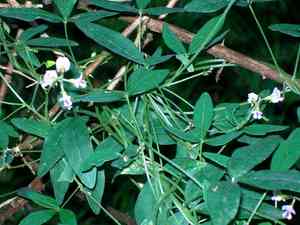
This climbing or sprawling perennial plant flourishes with periodic trimming to preserve its form and stimulate robust development. For variable glycine, perform light pruning following the primary blooming period to eliminate faded flowers and reduce crowded sections, thereby improving air movement. The most effective pruning takes place in spring and summer when the plant is actively developing. Consistent trimming prevents excessive growth and can boost flower production. Always make precise, clean cuts to prevent harm and sustain the plant's well-being.
What Are the Benefits of Pruning Variable Glycine?
What Are the Benefits of Pruning Variable Glycine?
Trimming variable glycine promotes robust development and helps preserve its desired form. Regular cutting ensures healthy growth, stimulates blooming, and can improve the plant's structural appearance, crucial for its decorative value.
What Is the Best Time for Pruning Variable Glycine?
What Is the Best Time for Pruning Variable Glycine?
Pruning variable glycine in Spring coincides with its post-dormancy rejuvenation, fostering vigorous new growth and directing the plant's energy toward developing fresh shoots. Early Summer pruning is also advantageous, allowing gardeners to manage variable glycine's size and shape after its initial growth spurt but before its peak flowering or fruiting. Both periods ensure proper healing of pruned areas and protect the plant from unnecessary exposure to harsh winter conditions or extreme summer heat, which can stress variable glycine and potentially lead to illness or poor performance.
What Tools Do I Need to Prune Variable Glycine?
Hand Pruners
Essential for precise cutting of small stems and branches, useful for shaping variable glycine or removing damaged and diseased parts.
Pruning Saw
Suitable for larger stems or branches that hand pruners cannot manage, ensuring a clean cut without harming the variable glycine.
Pruning Shears
Perfect for quick trims and maintaining variable glycine's shape, while facilitating clean cuts that encourage healthy regrowth.
Loppers
Effective for reaching into denser areas of variable glycine and for cutting through thicker branches that hand pruners might struggle with.
How to Prune Variable Glycine
Cleaning tools
Before starting to prune variable glycine, clean and sanitize all pruning tools. This minimizes the risk of spreading diseases among plants.
Diseased leaves
Carefully inspect variable glycine for diseased leaves. Use sharp, sterilized scissors or secateurs to snip off these leaves at the base without harming the main stem.
Withered leaves
Identify any withered or dead leaves. Remove these leaves by clipping them off at the stem to encourage healthy growth and air circulation around variable glycine.
Diseased stems
Locate any stems showing signs of disease, such as discolored areas or unusual growths. Cut back the diseased stems to a healthy section, making clean, diagonal cuts just above a leaf node or junction.
Disposal
Properly dispose of all removed diseased leaves and stems. Do not compost them, as this can spread the disease to other parts of the garden or back to variable glycine.
Common Pruning Mistakes with Variable Glycine
Overpruning
One error is removing too much foliage at once, which can stress variable glycine and hinder its growth. It is crucial to prune only what is necessary to maintain the plant's shape and health.
Improper cut location
Cutting too far from a bud can result in dead stubs, while cutting too close can damage the bud. The correct technique is to make cuts just above a bud facing the desired growth direction.
Using dull tools
Dull or dirty pruning shears can cause jagged cuts that are more susceptible to disease. Always use clean, sharp tools for precise cuts.
Ignoring diseased material
Failing to remove diseased or dead material can keep problem areas on variable glycine, potentially leading to further disease spread.
Neglecting sanitation
Not sanitizing tools between cuts when pruning diseased branches can lead to the spread of disease to healthy parts of variable glycine or other plants.
Common Pruning Tips for Variable Glycine
Selective pruning
Prune variable glycine selectively, removing only dead, diseased, or errant stems to maintain plant health without compromising its natural shape.
Clean cuts
Ensure all cuts are clean and at a 45-degree angle to prevent water accumulation and promote rapid healing.
Thin overcrowded areas
Thin out overcrowded areas to improve air circulation and light penetration, which can reduce disease risk and promote more robust growth in variable glycine.
Encourage new growth
To encourage new growth and potentially more flowers, pinch off tips or prune back to a healthy set of leaves or a lateral branch.
Maintain plant form
Consider the natural form of variable glycine when pruning. Aim to maintain an attractive shape and avoid overly harsh cuts that could adversely alter the plant's structure.



