How to Transplant Rattlesnake mannagrass?
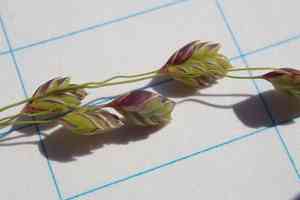
Relocate rattlesnake mannagrass between mid-summer and the close of the season to facilitate robust root development. Select a damp, adequately draining spot that receives abundant sunlight. Careful spacing guarantees sufficient room for expansion, thereby strengthening its vitality.
What Preparations are Needed Before Transplanting Rattlesnake Mannagrass?
What is the Ideal Time for Transplanting Rattlesnake Mannagrass?
The best time to move rattlesnake mannagrass is during the warm period from mid to late season, when daylight hours are extended. This timing is crucial for rattlesnake mannagrass to settle in mild temperatures, allowing for strong root development before winter's cold. Selecting this window capitalizes on the peak growing season, giving your rattlesnake mannagrass the best chance to flourish. You'll observe rattlesnake mannagrass thriving vigorously if transplanted during these prime months, as natural cycles align perfectly for new growth.
How Much Space Should You Leave Between Rattlesnake Mannagrass Plants?
Ready to introduce rattlesnake mannagrass to your garden? Start by designating a comfortable area for each plant. Aim for a separation of approximately 6-12 inches (15-30 cm). This spacing ensures that every rattlesnake mannagrass has sufficient room to thrive without competing with nearby plants.
What is the Best Soil Mix for Rattlesnake Mannagrass Transplanting?
Preparing the perfect bed for rattlesnake mannagrass begins with fertile, well-draining soil. Incorporate a balanced, slow-release fertilizer to give rattlesnake mannagrass an excellent start. Loamy to slightly sandy soil provides an ideal environment for these perennials.
Where Should You Relocate Your Rattlesnake Mannagrass?
Finding the optimal spot for rattlesnake mannagrass, where sunlight and shade are balanced, is essential. Choose a location with full sun to partial shade. This ensures your rattlesnake mannagrass receives the light it prefers while being protected from intense midday sun.
What Equipments Should You Prepare Before Transplantation Rattlesnake Mannagrass?
Gardening Gloves
To shield your hands while handling soil and plants.
Shovel or Spade
To excavate around and beneath the plant for safe extraction.
Garden Fork
To loosen the soil surrounding the roots without causing damage.
Container or Burlap
To hold the plant and its root ball during relocation.
Watering Can or Hose
For hydrating the plant before and after its move.
Pruning Shears
To trim any dead or damaged roots and foliage.
Wheelbarrow
To easily transport the plant and soil.
How Do You Remove Rattlesnake Mannagrass from the Soil?
How Do You Remove Rattlesnake Mannagrass from the Soil?
From Ground: First, hydrate the rattlesnake mannagrass plant to moisten the soil. Next, dig a wide trench around the plant using a shovel or spade, ensuring the plant's root ball remains intact. Carefully work the shovel beneath the root ball to lift the plant from its original spot.From Pot: Water the rattlesnake mannagrass thoroughly beforehand. Gently tap the pot's sides to loosen the soil, then carefully invert the pot while supporting the plant at its base. Ease the plant out, keeping the root ball and soil undisturbed.From Seedling Tray: Water the seedlings to dampen the soil, making removal easier. Use a gardening fork or spoon to gently lift individual rattlesnake mannagrass plants from their cells, taking care not to harm the roots or stem.
Step-by-Step Guide for Transplanting Rattlesnake Mannagrass
Preparation
Prepare the new site by ensuring it is free of weeds and the soil is loosened. Incorporate compost or organic matter into the soil if you haven't already done so.
Hole Digging
Excavate a hole at the new location that is twice the width and the same depth as the root ball of your rattlesnake mannagrass.
Root Cleaning
Examine the root ball for any circling roots and use pruning shears to snip them. Also, remove any dead or damaged roots.
Placement
Gently place the rattlesnake mannagrass into the hole, ensuring it sits at the same depth as it did in its previous spot.
Fill In
Backfill the hole around the rattlesnake mannagrass with soil, gently firming it down to eliminate air pockets.
Watering
Water the rattlesnake mannagrass deeply immediately after planting to settle the soil around the roots and reduce transplant shock.
Mulching
Apply a layer of mulch around the base of rattlesnake mannagrass, keeping it away from the stem to prevent rot.
How Do You Care For Rattlesnake Mannagrass After Transplanting?
Stabilizing
Provide support if the rattlesnake mannagrass is tall or top-heavy by gently staking it.
Observation
Monitor the rattlesnake mannagrass for signs of transplant stress, such as wilting or discolored leaves, and address them promptly with care adjustments.
Pruning
Trim any foliage that may have been damaged during the transplant to allow the rattlesnake mannagrass to focus its energy on root establishment.
Continued Care
Continue to care for your rattlesnake mannagrass by keeping the soil moist to encourage root growth, avoiding both over-watering and under-watering.
Troubleshooting Common Issues with Rattlesnake Mannagrass Transplantation.
What's the best time to transplant rattlesnake mannagrass for optimal growth?
The ideal period is from early to late summer, when temperatures are consistently warm.
How far apart should rattlesnake mannagrass be spaced when transplanting?
Space them 6-12 inches (15-30 cm) apart to allow ample room for development.
Why is my rattlesnake mannagrass wilting after transplanting?
Wilting may be due to transplant shock. Ensure consistent soil moisture and minimize root disturbance during transplanting.
How deep should the hole be when transplanting rattlesnake mannagrass?
Dig a hole that's twice the width of the root ball and equal in depth to ensure roots have space to establish.
Is it necessary to amend the soil when transplanting rattlesnake mannagrass?
Yes, incorporating compost or organic matter can enhance soil fertility and moisture retention for rattlesnake mannagrass.
Can I transplant rattlesnake mannagrass in full sun exposure?
Yes, rattlesnake mannagrass thrives in full sun to partial shade, though they appreciate some relief from intense afternoon sun.
How often should I water rattlesnake mannagrass after transplanting?
Water generously to establish roots, then maintain consistent moisture, especially in the initial weeks post-transplant.
Should I use fertilizer right after I transplant rattlesnake mannagrass?
Wait 4-6 weeks before applying a balanced fertilizer to prevent burning the newly forming roots.
What should I do if the leaves of rattlesnake mannagrass start turning yellow?
Yellow leaves could indicate overwatering, underwatering, or nutrient deficiency. Adjust your care accordingly and consider a soil test.
How can I protect rattlesnake mannagrass from frost after late summer transplanting?
Use mulch to insulate the soil and consider frost blankets if unusually cold weather is anticipated.



