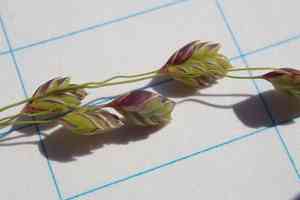
Rattlesnake mannagrass (Glyceria canadensis)
Also known as: Rattlesnake grass
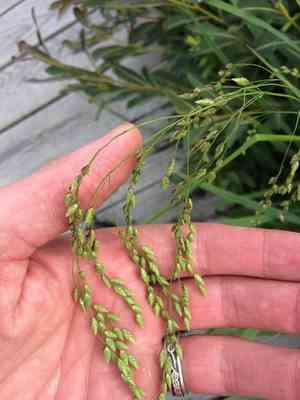
Rattlesnake mannagrass (Glyceria canadensis) is a perennial grass typically reaching heights of up to 91 cm. It is most often found in wetland areas such as marshes, swamps, and along streambanks, and it is frequently utilized in wetland restoration projects. The grass flourishes in environments with full sun to partial shade and consistently moist to saturated soils. Blooming occurs in late spring to mid-summer, featuring loose, open panicles of small greenish flowers.
In This Article
Attributes of Rattlesnake mannagrass
Lifespan
Perennial
Plant Type
Grass
Plant Height
61 cm to 1.5 m
Spread
Does not have a distinct crown; typically spreads through rhizomes
Leaf Color
Green
Flower Size
Flowers are small, typically less than 1 cm
Flower Color
Greenish
Images of Rattlesnake mannagrass
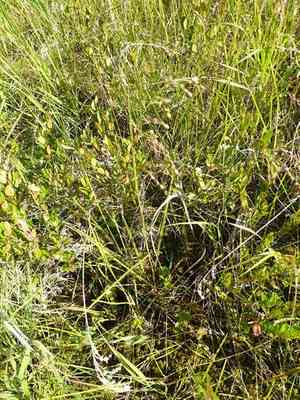
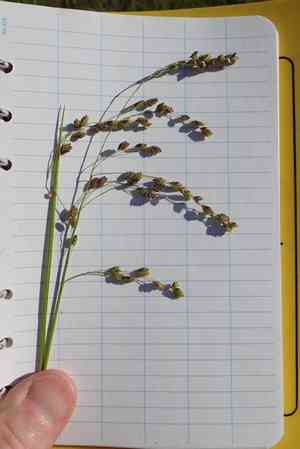
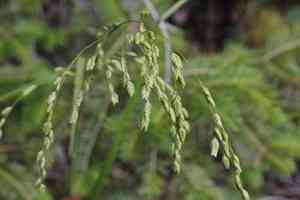
Quickly Identify Rattlesnake mannagrass
1
Look for tall, erect stems that can grow up to 1.5 meters. The plant has narrow, lance-shaped leaves and produces small, greenish flowers arranged in loose, open panicles.
Scientific Classification of Rattlesnake mannagrass
Phylum
Vascular plants
Class
Monocotyledons
Order
Poales
Family
Grass
Genus
Mannagrasses
Species
Rattlesnake mannagrass
Planting and Growing of Rattlesnake mannagrass
Care Difficulty
Easy
Watering Schedule
Every 8 days
Sunlight Requirements
Partial sun
Sunshine Duration
4-8 hours
Ideal Temperature
60-75℉
Soil Type
Potting Mix, Peat Mix
Soil pH
5.5-7
Fertilizer Type
Balanced
Pruning Season
Spring, Summer
Pruning Area
Branches, Leaves
Pruning Frequency
2 times a year
Repotting Season
Spring
Pot Type
Plastic, Ceramic
 How to Water Rattlesnake mannagrass?
Glyceria canadensis, known as Rattlesnake Manna-grass, thrives in consistently moist conditions typical of its native wetlands. Each watering should mimic these conditions with about 500 ml of water, ensuring the soil stays evenly moist but not waterlogged. The soil should have the moisture level akin to a well-squeezed sponge – damp without being soaked.
What are the symptoms of an underwatered Rattlesnake mannagrass?
›
What should I do if my Rattlesnake mannagrass is not getting enough water?
›
What are the symptoms of an overwatered Rattlesnake mannagrass?
›
How to save an overwatered Rattlesnake mannagrass?
›
 What Are the Sunlight Requirements for Rattlesnake mannagrass?
Glyceria canadensis benefits most from partial sun exposure, ideally 3 to 6 hours daily. This light range supports strong photosynthetic activity, leading to robust growth and resilience against environmental stress.
What is the best lighting condition for Glyceria canadensis?
›
How to achieve the ideal lighting for Glyceria canadensis?
›
What are the benefits of ideal lighting for Glyceria canadensis?
›
 What Is the Ideal Temperature Range for Rattlesnake mannagrass?
The ideal temperature range for Glyceria canadensis, commonly known as Rattlesnake Grass, lies between 60°F and 75°F. This range provides the optimal environmental conditions for photosynthesis and metabolic processes, ensuring robust growth and development. Maintaining temperature within this range facilitates proper nutrient uptake and enhances the plant's resilience to environmental stressors.
 What Soil is Best for Rattlesnake mannagrass?
Glyceria canadensis thrives in moist soil which mimics its natural habitat along stream banks and wetlands. Moisture retention ensures the plant remains lush and vibrant, crucial for its ability to produce dense foliage and thrive in natural and cultivated settings. This plant benefits from nutrient-rich soils that support its growth and maintenance of healthy green blades. A well-fertilized loam with organic matter can significantly enhance its growth and robustness against environmental stresses. Aeration in the soil is important to prevent root rot and other diseases. A well-aerated substrate facilitates better oxygen penetration to root systems, enhancing nutrient uptake and promoting vigorous plant health.
 How to Fertilize Rattlesnake mannagrass?
For Glyceria canadensis, the amount of fertilizer should be moderate due to its preference for low-nutrient environments. Use a diluted liquid fertilizer at one-quarter strength to avoid over-fertilizing.
 How to Prune Rattlesnake mannagrass?
Identify dead or damaged stems, which are typically discolored or brittle. Trim these first to improve plant health and allow more nutrients to support healthy growth. Carefully trim back healthy branches to achieve the desired shape and maintain size. Make cuts just above a leaf node to encourage a bushier appearance.
More About Pruning Techniques→
 How to Propagate Rattlesnake mannagrass plant?
1
Gather seeds from mature Glyceria canadensis plants during the late summer or early autumn. Ensure seeds are fully ripe and dry before storage or planting.
2
Create a well-draining soil mix using equal parts potting soil, sand, and peat moss. This mixture ensures proper drainage and root aeration, essential for healthy plant growth.
3
Place seeds evenly in seed trays filled with soil mix, covering lightly. Water gently but thoroughly, ensuring soil remains moist to facilitate germination.
 How to Repot Rattlesnake mannagrass plant?
1
Repot Glyceria canadensis during active growth in spring or early summer. Look for signs like roots circling the pot or reduced water retention. A healthy root system and vigorous foliage growth are indicators that repotting is needed.
2
Select a pot that is one size larger than the current one, preferably with drainage holes. This provides enough space for root expansion while ensuring proper drainage, crucial for preventing waterlogging and root rot.
3
Choose a well-draining, loamy soil mix that retains moisture but avoids waterlogging. This type of soil encourages healthy root growth by balancing moisture and airflow, preventing root diseases.



