Ideal Temperature for Rattlesnake mannagrass
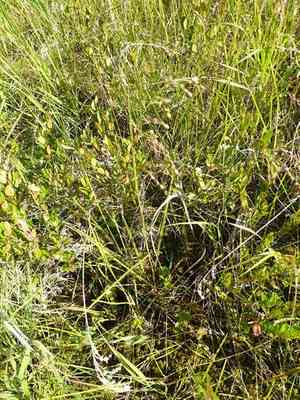
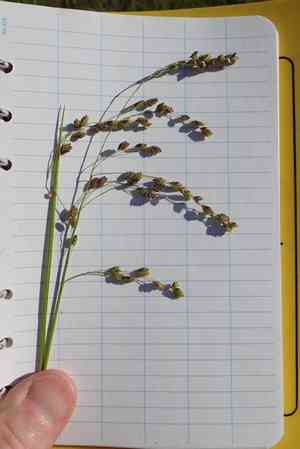
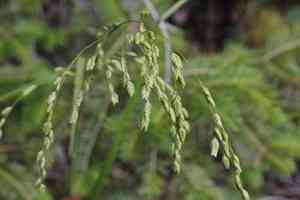
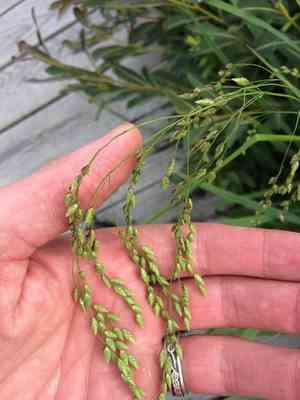
Images of Rattlesnake mannagrass
Signs of Cold Exposure in Rattlesnake mannagrass
Symptoms
Rattlesnake mannagrass tolerates cold well and flourishes optimally when temperatures exceed 60℉. In winter, maintain temperatures above 50℉. If the temperature drops below 40℉, while no immediate winter changes might be apparent, spring may see reduced or absent sprouting.
Solutions
In spring, remove any sections that have not sprouted.
Signs of Heat Exposure in Rattlesnake mannagrass
Symptoms
In summer, Rattlesnake mannagrass should be kept below 75℉. When temperatures surpass 85℉, the plant's foliage may lighten, curl, become prone to sun damage, and in severe instances, the entire plant might wilt and desiccate.
Solutions
Remove any sun-damaged and dried-out portions. Relocate the plant to a spot offering protection from the midday and afternoon sun, or use a shade fabric for cover. Water the plant in the morning and evening to maintain soil moisture.



