How to Prune Rattlesnake mannagrass?
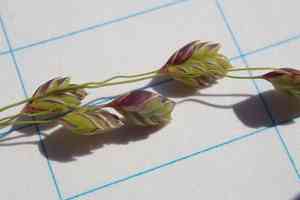
Rattlesnake mannagrass, a perennial aquatic grass, thrives in thick clusters. Trimming away deceased or superfluous leaves fosters robust development and can avert excessive density. Appropriate trimming ought to occur in early spring or during winter while the plant is inactive. For aquatic installations, trim just above the water's surface, or to the soil line for land-based cultivation. This schedule facilitates strong spring regeneration and preserves the plant's structure. Trimming additionally aids in managing the proliferation of this rapidly expanding variety.
What Are the Benefits of Pruning Rattlesnake Mannagrass?
What Are the Benefits of Pruning Rattlesnake Mannagrass?
Trimming rattlesnake mannagrass promotes strong development and helps maintain its desired form. This is crucial to prevent rattlesnake mannagrass from overgrowing its area and to foster a lush, full appearance. Regular trimming can enhance the plant's overall vitality and visual appeal.
What Is the Best Time for Pruning Rattlesnake Mannagrass?
What Is the Best Time for Pruning Rattlesnake Mannagrass?
Early spring is optimal for trimming rattlesnake mannagrass as it precedes the new growth phase, ensuring that cuts are quickly followed by fresh growth, thereby minimizing susceptibility to pests and diseases. Late winter might also be suitable for pruning, as the plant remains dormant and the structure of rattlesnake mannagrass is clearly visible, allowing for more precise cuts. Avoid pruning in late fall since wounds may not heal before cold weather arrives, potentially leading to frost damage. Additionally, pruning during the growing season or summer could stress rattlesnake mannagrass and result in reduced vigor.
What Tools Do I Need to Prune Rattlesnake Mannagrass?
Long-handled grass shears
Perfect for trimming and shaping grass blades without bending, making them ideal for maintaining larger clumps of rattlesnake mannagrass.
Sharp, bypass hand pruners
Best for clean, precise cuts when thinning or removing damaged foliage from rattlesnake mannagrass. The bypass blades help prevent stem crushing.
Gardening gloves
Protective gloves are essential to guard against skin irritation and to maintain a firm grip on tools while trimming rattlesnake mannagrass.
Garden waste bags
For collecting and removing trimmed foliage of rattlesnake mannagrass, which helps maintain a tidy area and reduces potential for disease.
How to Prune Rattlesnake Mannagrass
Cleaning tools
Before beginning the trimming process for rattlesnake mannagrass, clean and sterilize all pruning tools. This helps prevent the spread of diseases between plants.
Identifying
Identify the diseased and withered leaves on rattlesnake mannagrass that require removal. Look for any leaves that are discolored, spotted, or appear decayed.
Cutting diseased leaves
Carefully cut away the diseased leaves from rattlesnake mannagrass, making clean cuts close to the leaf's base. Avoid tearing or damaging surrounding healthy foliage.
Cutting withered leaves
Remove withered leaves from rattlesnake mannagrass by cutting at the leaf's base or gently pulling them off if they detach easily. This helps maintain a neat appearance and encourages new growth.
Disposal
Dispose of all removed leaves from rattlesnake mannagrass properly, preferably by burning them or discarding them in the trash. Do not compost diseased or withered material as this could spread diseases or pests.
Common Pruning Mistakes with Rattlesnake Mannagrass
Over pruning
Removing too much foliage from rattlesnake mannagrass can weaken the plant, potentially leading to decreased vigor and less robust growth.
Improper cut location
Making cuts either too close or too far from the node can result in poor regrowth or create entry points for disease in rattlesnake mannagrass.
Using dull tools
Trimming rattlesnake mannagrass with dull tools can damage stems, leading to an uneven cut that heals poorly and may invite disease.
Ignoring dead material
Failing to remove dead or diseased tissue from rattlesnake mannagrass can hinder healthy growth and potentially spread disease throughout the plant.
Neglecting sanitation
Not cleaning pruning tools before and after use on rattlesnake mannagrass increases the risk of spreading disease between plants.
Common Pruning Tips for Rattlesnake Mannagrass
Sharp tools
Use sharp, clean pruning shears to make clean cuts on rattlesnake mannagrass, which helps the plant heal faster and reduces disease risks.
Minimal pruning
Since rattlesnake mannagrass is a grass-like plant, it typically requires minimal trimming. Focus on removing dead or damaged foliage to maintain the plant's health and aesthetics.
Appropriate cut location
When trimming rattlesnake mannagrass, make cuts near the base of the foliage, being careful not to damage new emerging growth.
Health assessment
Regularly inspect rattlesnake mannagrass for signs of disease or distress before pruning to address any issues early and prevent further damage.
Post-pruning care
After trimming, provide rattlesnake mannagrass with suitable water and nutrients to support recovery and encourage healthy new growth.



