How to Transplant Grow stick?
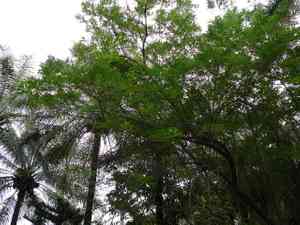
Transplanting grow stick is most effective from late spring through mid-summer, as this period facilitates robust root development. Select a bright area featuring soil that drains efficiently. Should the site be exposed to strong winds, offer protection to prevent strain on the plant.
Essential Preparations Before Relocating Grow Stick
Optimal Timing for Grow Stick Relocation?
The best period for moving grow stick is from late spring into early summer. This timeframe provides an excellent mix of warming ground and increasing daylight, promoting root development prior to the intense heat of summer. Relocating grow stick during this window enables it to adjust to its new spot while benefiting from mild weather, ensuring vigorous growth. A helpful tip: give grow stick a strong start in its new home during this gentle season for a thriving, happy specimen!
Recommended Spacing Between Grow Stick Plants?
Begin by allocating sufficient room for grow stick to expand. Aim for a separation of approximately 12-15 feet (3.6-4.6 m) between each plant. This will provide ample space for it to flourish and reach its full potential.
Ideal Soil Blend for Grow Stick Relocation?
The soil for grow stick should drain effectively. Incorporating a slow-release granular fertilizer can boost soil fertility. Prior to planting, simply mix the fertilizer into the soil base. You're all set!
Where to Position Your Grow Stick?
Finally, select a sunny location for grow stick. This plant thrives in bright sunlight. However, ensure it also receives some protection from the intense afternoon sun. Remember, a thriving plant leads to a content gardener!
Tools Required for Grow Stick Transplantation
Gardening Gloves
To safeguard your hands from dirt and shield them from any potential thorns or sharp objects.
Shovel or Spade
These implements are necessary for excavating grow stick from its original spot and creating a new cavity in the designated transplanting area.
Garden Trowel
This implement is ideal for loosening the soil around the roots when extracting the plant from a container or seedling tray.
Watering Can
Essential for hydrating your grow stick before and after the transplant.
Pruning Shears
To trim away any weak or damaged stems or roots.
Garden Fork
Useful for breaking up compacted soil, facilitating the spread of your grow stick plant's roots in its new location.
How to Extract Grow Stick from the Ground?
How to Extract Grow Stick from the Ground?
From Ground: Begin by watering grow stick plants to moisten the soil, which will simplify digging and help the plant withstand transplant shock. Use a shovel to dig a circle around the plant, ensuring you dig wider than the foliage spread. This helps prevent damage to most roots. Use the shovel to lift the root ball from the ground. From Pot: Water the pot thoroughly, then turn it sideways, gently holding the plant by its base. Tap or shake the pot to release the root ball. From Seedling Tray: Water the tray, then use a garden trowel to carefully scoop out the seedlings. Avoid pulling them, as this could harm the delicate young roots.
Step-by-Step Guide for Relocating Grow Stick
Location Selection
Identify the precise spot where the grow stick will be moved.
Excavation
Dig a hole at your chosen site using a shovel or spade. The hole should be deep enough to accommodate the plant's root ball.
Plant Preparation
Trim any damaged or dead roots from the root ball.
Positioning
Place your grow stick in the newly dug hole. The top of the root ball should be level with or slightly above the ground surface.
Backfilling
Refill the hole with soil, covering the root ball. Gently press the soil around the plant's base.
Hydration
Water the plant generously.
Post-Transplant Care for Grow Stick
Watering
For the initial few weeks, keep the soil consistently moist but not waterlogged. This promotes root development and helps the grow stick plant establish itself in its new environment.
Pruning
Remove any dead or damaged leaves or stems. This will enable the plant to redirect its energy towards producing healthy new growth.
Pest Management
Regularly inspect your grow stick plants for pests or diseases and address them promptly, as transplant stress can increase susceptibility.
Support
If your grow stick plant is tall or top-heavy, you may need to stake it to provide support until its roots firmly anchor in the new soil.
Addressing Common Issues with Grow Stick Relocation.
When is the optimal time to move grow stick?
The best time to relocate grow stick is during seasons 3 to 5, as this period represents the plant's most receptive growth phase.
What is the preferred spacing for planting grow stick?
The ideal distance between grow stick plants is approximately 12-15 feet (3.5 to 4.5 meters). This provides ample space for each plant to grow without competing for resources.
Why are the leaves on my relocated grow stick turning yellow?
Yellowing foliage could indicate overwatering or inadequate drainage. Ensure the plant is not sitting in water and that the soil drains well and isn't overly compacted.
What happens if I plant grow stick deeper than the root ball?
Planting grow stick too deeply can suffocate the roots and impede its growth. The top of the root ball should be level with or slightly above the ground surface.
My relocated grow stick is wilting. What should I do?
Wilting may signal transplant shock. Keep the soil moist but not soggy, and consider using a root stimulant or plant conditioner to aid recovery.
Why is my relocated grow stick showing no growth?
Remember, after relocation, grow stick prioritizes root establishment before producing top growth. Also, ensure it receives adequate sunlight, water, and nutrients.
What soil type does grow stick prefer for successful relocation?
Grow stick thrives in well-draining, nutrient-rich soil. If your soil is heavy clay or sandy, consider adding organic matter to improve its structure.
What should I do if the relocated grow stick is not flowering?
Lack of blooms could be due to insufficient sunlight or nutrients. Ensure your grow stick is in a location where it receives full sun for optimal flowering.
How should I water my newly relocated grow stick?
Water thoroughly after relocation, then maintain consistently moist soil without overwatering. Adjust based on weather conditions and soil type.
Should I prune grow stick after relocation?
Generally, it's not necessary to prune grow stick immediately after relocation, except to remove damaged or diseased branches. Regular pruning can commence once the plant is established.



