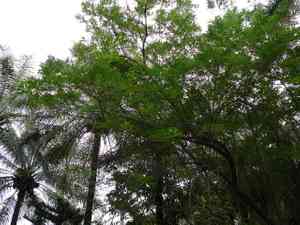
Grow stick (Gliricidia sepium)
Also known as: Fence post tree, Aaron's rod
Gliricidia sepium, also known as "Mother of Cocoa" or "Gliricidia," originates from tropical regions like Mexico and Central America. Traditionally, it has been utilized to offer shade for cocoa plants. As a nitrogen-fixing legume, it enhances soil fertility. Additionally, it serves multiple purposes including providing livestock fodder, firewood, and material for live fencing. Its foliage and branches are used as green manure, and it has applications in traditional pest control methods, including as an ingredient in rat poison.
In This Article
Attributes of Grow stick
Lifespan
Perennial
Plant Type
Tree
Plant Height
10 m to 12 m
Spread
8 m
Leaf Color
Green
Flower Size
2 cm to 15 cm
Flower Color
Pink Purple Red
Images of Grow stick
Quickly Identify Grow stick
1
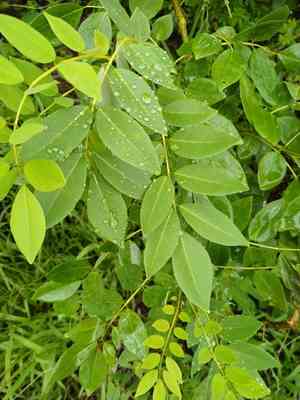
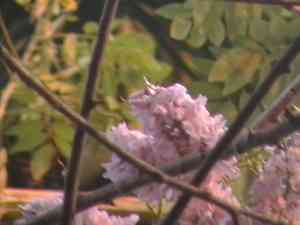
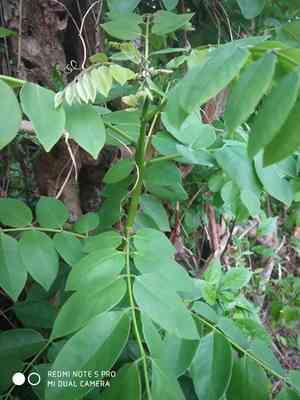
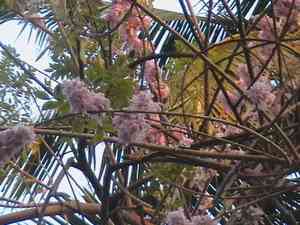
To identify Gliricidia sepium, look for its distinctive pinnate leaves with 7-15 leaflets, and its pink or white flowers. The flowers are typically arranged in dense racemes.
Scientific Classification of Grow stick
Phylum
Vascular plants
Class
Dicotyledons
Order
Fabales
Family
Legume
Genus
Gliricidia
Species
Grow stick
Planting and Growing of Grow stick
Care Difficulty
Easy
Watering Schedule
Every 4 days
Sunlight Requirements
Full sun
Sunshine Duration
6-10 hours
Ideal Temperature
68-86℉
Soil Type
Potting Mix, Peat Mix
Soil pH
6.5-7.5
Fertilizer Type
Balanced
Pruning Season
Spring, Summer
Pruning Area
Branches, Leaves
Pruning Frequency
2 times a year
Repotting Season
Spring
Pot Type
Plastic, Ceramic
 How to Water Grow stick?
When watering Gliricidia sepium, it's crucial to ensure the soil is thoroughly moistened but not waterlogged. Aim for about 1000 ml per watering session to keep the soil moderately damp. This ensures that moisture reaches the root zone where it's most needed, without oversaturating the soil.
What are the symptoms of an underwatered Grow stick?
›
What should I do if my Grow stick is not getting enough water?
›
What are the symptoms of an overwatered Grow stick?
›
How to save an overwatered Grow stick?
›
 What Are the Sunlight Requirements for Grow stick?
Gliricidia sepium benefits most from full sun to partial sun, ideally enjoying 6 to 12 hours of light. Proper sunlight enhances flowering and foliage health, reinforcing its natural vibrancy.
More About Sunlight Requirements Techniques→
What is the best lighting condition for Gliricidia sepium?
›
How can I ensure it receives ideal lighting?
›
What are the benefits of ideal sunlight?
›
 What Is the Ideal Temperature Range for Grow stick?
Gliricidia sepium thrives best within a temperature range of 68 to 86°F. This range provides the optimal conditions for growth, ensuring that enzymatic and physiological processes within the plant occur efficiently. Consistent exposure to this temperature range supports healthy foliage and flowering, contributing to the overall vigor and productivity of the plant.
 What Soil is Best for Grow stick?
Gliricidia sepium requires soils that offer excellent drainage. Proper drainage prevents waterlogging, which can stunt the plant's growth and lead to root rot. Well-drained soils ensure healthy root development and promote vigorous growth. The plant thrives in soils with pH levels ranging from 6.5 to 7.5. Maintaining these pH levels ensures optimal availability of essential nutrients, improving the overall health and productivity of Gliricidia sepium. Soil rich in organic matter supports the growth of Gliricidia sepium by providing essential nutrients. A fertile soil environment contributes to lush foliage and robust flowering, enhancing the plant's aesthetic and practical appeal.
 How to Fertilize Grow stick?
Gliricidia sepium, known for its hardy nature, requires a balanced approach to fertilization. During the growing season, apply around 50 grams of balanced 10-10-10 NPK fertilizer per plant every three months. Liquid fertilizers should be diluted at a ratio of 1:10 before application to avoid root burn.
 How to Prune Grow stick?
Use sharp loppers or pruning shears to make clean cuts that will heal quickly. This helps minimize the risk of infection and ensures healthier regrowth of foliage. Prune your Gliricidia sepium during its dormant periods in spring or summer for optimal regrowth. Avoid autumn pruning as it could hinder the plant’s ability to prepare for winter dormancy.
More About Pruning Techniques→
 How to Propagate Grow stick plant?
1
Harvest seeds from mature Gliricidia sepium pods when they dry and turn brown. Ensure the seeds are fully matured to guarantee a higher germination rate.
2
Prepare a soil mix rich in organic matter with well-draining properties to support healthy seedling growth. A mix of compost, sand, and perlite is ideal.
3
Plant the seeds shallowly in the prepared soil mix, covering them lightly. Ensure they are spaced adequately to prevent overcrowding and support healthy root development.
 How to Repot Grow stick plant?
1
Repotting should occur when roots outgrow the current pot, indicated by roots emerging from drainage holes or roots becoming dense and bound. Spring and early summer are ideal times, as the plant is actively growing, enabling it to recover quickly from any stress.
2
Choose a pot that is one size larger with good drainage holes. This ensures enough space for root development without excessive moisture retention. Selecting the right pot promotes optimal growth conditions and helps prevent root rot, fostering a healthy plant.
3
Opt for a well-draining loamy mixture, enriched with organic matter for nutrients. Such soil provides excellent drainage and aeration, crucial for avoiding waterlogged conditions that can damage roots. Healthy soil ensures robust growth and strong root systems.
Toxicity
Ingestion, Contact
WARNING
The judgment on toxicity and danger is for reference only. We DO NOT GUARANTEE any accuracy of such judgment. Therefore, you SHALL NOT rely on such judgment. It is IMPORTANT TO SEEK PROFESSIONAL ADVICE in advance when necessary.
Learn More About Grow stick Diseases
Anthracnose
Bacterial Leaf Spot
Bacterial Wilt
Crown Gall
Cyst Nematode
Damping-off
Downy Mildew
Drought Stress
Fusarium Wilt
Gray Mold
Leaf Spot
Mosaic
Nutrient Deficiency
Nutrient Toxicity
Powdery Mildew
Root Rot
Root-knot Nematode
Rusts
Sooty Mold
Spider Mites
Temperature Stress
Thrips Damage
White Mold



