How to Overwinter Grow stick
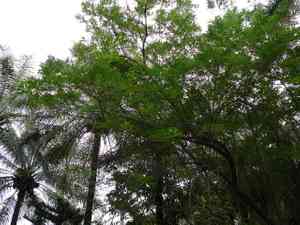
1
Grow stick is susceptible to frost and needs winter protection.
2
Maintain indoor temperatures between 10-15°C (50-59°F) for overwintering.
3
Periodically check for pests and diseases to maintain plant health.
Why Is Grow stick Overwintering Important?
Why Is Grow stick Overwintering Important?
The Grow stick (Gliricidia sepium) is a cold-sensitive plant, meaning it can suffer significant harm or even die if exposed to freezing temperatures. Overwintering involves safeguarding your Grow stick during colder periods to ensure its health and vigor for the next growing season. By properly preparing your plant for winter, you can prevent cold damage, reduce plant stress, and encourage strong growth.
Preparing Grow stick for Overwintering
Assessing the Plant's Health
Before starting the overwintering process, thoroughly evaluate the condition of your Grow stick. Look for any indications of illness, pests, or damage. Healthy plants have a greater chance of surviving the winter. Remove any affected foliage or stems to prevent further issues.
Pruning and Cleaning
Pruning is a vital step in getting your Grow stick ready for winter. Trim back any dead or weak branches to help the plant conserve energy. Additionally, thoroughly clean the plant by removing debris and old leaves, which can harbor pests and diseases. A clean and well-pruned plant is more likely to remain healthy throughout the winter.
Best Location for Overwintering Grow stick
Choosing Indoor Locations
For cold-sensitive plants like the Grow stick, indoor spaces are ideal for overwintering. Select a spot in your home that is cool but not freezing, such as a basement or an unheated room. Ensure the plant has access to natural light, ideally near a south-facing window. Avoid areas prone to drafts or sudden temperature fluctuations.
Using Cold Frames or Greenhouses
If indoor space is limited, cold frames or greenhouses offer an excellent alternative. These structures help maintain a stable environment with regulated temperatures and humidity. Ensure the greenhouse or cold frame is well-ventilated to prevent mold and mildew.
Optimal Conditions for Overwintering Grow stick
Temperature Needs
The Grow stick requires a consistent temperature range of 10-15°C (50-59°F) during overwintering. It's crucial to avoid temperatures below 10°C (50°F) as the plant is cold-sensitive and cannot endure freezing conditions.
Light Requirements
Sufficient light is essential for the Grow stick. During winter, natural sunlight may be inadequate, so consider using grow lights to supplement light exposure, ensuring the plant receives at least 6-8 hours of light daily.
Humidity Levels
Maintaining appropriate humidity levels is crucial. Indoor air can be dry during winter, so use a humidifier or place a tray of water near the plant to keep humidity levels around 50-60%. Be careful to avoid excessive humidity, which can promote fungal growth.
Watering and Feeding During Overwintering
Watering Schedule
During the winter months, the Grow stick's water requirements decrease. Water the plant sparingly, allowing the top 2.5-5 cm (1-2 inches) of soil to dry out between waterings. Overwatering can lead to root rot, so ensure the soil remains well-draining.
Nutritional Needs
Reduce feeding during overwintering as the plant's growth rate slows. A light feeding every 6-8 weeks with a balanced, water-soluble fertilizer will suffice. Avoid heavy fertilizing, which can stress the plant.
Common Issues and How to Address Them
Pest Control
Overwintering plants indoors can attract pests like aphids, spider mites, or whiteflies. Regularly inspect your Grow stick and use insecticidal soap or neem oil to treat infestations. Keeping the indoor environment clean will also help minimize pest problems.
Disease Prevention
Fungal diseases can be a concern, especially in humid conditions. Proper ventilation and avoiding overwatering are key preventive measures. If you notice signs of disease, remove affected parts and consider using a fungicide to control the spread.



