How to Prune Grow stick?
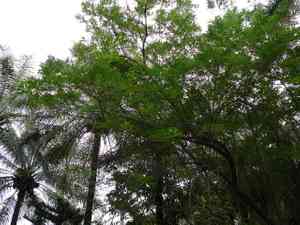
This rapidly developing, nitrogen-fixing legume flourishes in warm climates and is suitable for creating live barriers. When cultivating as a grow stick, begin by removing any deceased or compromised limbs. Form the plant by trimming back excessively long branches and reducing density to enhance airflow. The ideal time for this task is in late winter or early spring, coinciding with its robust development after dormancy. Regular trimming manages its dimensions, stimulates fresh development, and improves its thick leaf cover, thereby strengthening both its appearance and its function as a fence. Always employ sanitized, keen implements to avert illness.
Advantages of Trimming Grow Stick
Advantages of Trimming Grow Stick
Trimming grow stick encourages robust new development and helps maintain its desired form. Regular cutting back ensures a strong structure and an appealing shape, which is crucial for this rapidly growing species.
Optimal Time for Trimming Grow Stick
Optimal Time for Trimming Grow Stick
Late winter and early spring are considered the best periods for trimming grow stick as these seasons precede the plant's rapid growth phase. During late winter, the plant is often dormant, an ideal time to prune without causing stress. Trimming then helps stimulate new growth when the cycle restarts in spring. Early spring pruning is also beneficial for removing winter frost damage and shaping the plant before active growth, ensuring energy is directed to healthy new shoots and improving canopy air circulation. Additionally, since grow stick typically flowers on new wood, pruning in late winter or early spring promotes blooming and doesn't disrupt the flowering phase. In regions with mild winters, pruning can occur anytime during these optimal seasons, but in areas with severe frost, it's safer to prune after the last expected frost to prevent cold damage to fresh cuts.
Tools Required for Trimming Grow Stick
Hand Pruners
Perfect for making clean cuts on young or small branches of grow stick up to 1 inch in diameter. Bypass pruners are generally preferred for their cleaner cut, which aids the plant's healing process.
Loppers
Suitable for cutting thicker branches of grow stick, approximately 1 to 2 inches in diameter. Their long handles offer better leverage and reach, making them practical for hard-to-access branches.
Pruning Saw
Essential for removing mature or large branches exceeding 2 inches in diameter. A pruning saw ensures a precise cut without causing unnecessary harm to grow stick.
Hedge Shears
Recommended for shaping and managing the dense foliage of grow stick. They are best used on softer, green stems or leaves to help maintain a neat, uniform appearance.
Pole Pruner
Crucial for reaching higher branches of grow stick without needing a ladder. This tool is useful for reducing height or controlling vertical growth, especially if grow stick is grown as a hedge or living fence.
How to Trim Grow Stick
Sanitize Tools
Before trimming grow stick, sterilize all cutting implements to prevent disease spread. Use a solution of one part bleach to nine parts water or rubbing alcohol to clean blades.
Inspect
Examine grow stick to identify all dead and diseased branches. Look for signs like discoloration, unusual growth patterns, or physical damage.
Remove Dead Branches
Using sharp pruning shears, make clean cuts to remove dead branches from grow stick. Cut at a 45-degree angle about a quarter inch above an outward-facing bud to encourage proper new growth.
Remove Diseased Branches
Eliminate diseased branches from grow stick by cutting them back to healthy tissue. Ensure cuts are made well below affected areas to prevent disease spread.
Discard Material
Dispose of all removed materialâdead or diseased branchesâfrom grow stick in a manner that eliminates the risk of spreading potential pathogens, such as by burning or bagging and removing from the site.
Common Trimming Errors with Grow Stick
Excessive Trimming
Removing too much foliage from grow stick at once can stress the plant, potentially leading to reduced vigor, fewer flowers, or even plant death. Aim to remove no more than one-third of the total growth in a single trimming session.
Incorrect Cut Placement
Cutting too far from a bud or too close can result in improper growth or dieback. Make cuts just above buds that face the direction you want new growth to follow.
Using Blunt Tools
Trimming grow stick with dull tools can create jagged cuts that are more susceptible to disease. Use sharp, clean pruning shears to make clean cuts that heal quickly.
Ignoring Unhealthy Branches
Failing to remove diseased or pest-infested branches from grow stick can spread the problem to other parts of the plant. Always check for and promptly remove any unhealthy growth.
Disregarding Plant Form
Randomly cutting branches without considering the natural shape of grow stick can lead to an unbalanced and unattractive appearance. Consider the plant's overall form before making cuts.
General Trimming Advice for Grow Stick
Targeted Trimming
When trimming grow stick, selectively remove only necessary branches, such as dead, diseased, or weak growth. This approach maintains the plant's health and shape.
Trimming Schedule
Trim grow stick immediately after it finishes blooming to shape the plant and encourage new growth without impacting current or future season's flowers.
Tool Sterilization
Between cuts and especially when moving between plants, sanitize trimming tools to prevent disease spread to or from grow stick. Use a 10% bleach solution or alcohol wipes for cleaning.
Guiding Growth
Encourage grow stick to grow in the desired direction by making cuts that stimulate growth in that area. Trim just above outward-facing buds to promote an open structure.
Promoting Blooms
For grow stick that have flowered, remove spent blooms to redirect the plant's energy to new growth and potentially more flowers, rather than to seed production.



