How to Transplant Chinese Honeylocust?
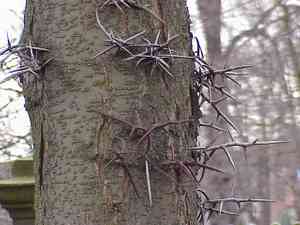
The most favorable period for transplanting chinese Honeylocust spans from the conclusion of spring to the peak of summer, capitalizing on prime growth circumstances. Select a location bathed in sunlight featuring soil that drains effectively. Should it be necessary, a careful trimming of the roots can facilitate the adjustment.
What Preparations are Needed Before Transplanting Chinese Honeylocust?
What is the Ideal Time for Transplanting Chinese Honeylocust?
The prime period for relocating your chinese Honeylocust spans from the conclusion of spring's thaw through the peak of summer's warmth. During this interval, moderate temperatures and increasing daylight foster robust root development for chinese Honeylocust, facilitating its adjustment and promoting strong establishment in its new location. Moving chinese Honeylocust in this season ensures it benefits from summer's nurturing climate, encouraging vigorous growth and enhancing resilience against harsher conditions. A transplant within this timeframe aligns with chinese Honeylocust's natural growth cycle, guaranteeing smooth adaptation and thriving development.
How Much Space Should You Leave Between Chinese Honeylocust Plants?
When preparing to rehome your chinese Honeylocust, remember to allocate ample room for their expansion. Aim for a spacing of approximately 30-50 feet (9-15 meters) between them; this will guarantee sufficient area for them to flourish without competing for vital nutrients!
What is the Best Soil Mix for Chinese Honeylocust Transplanting?
Your chinese Honeylocust will flourish best in soil that drains well and is fertile. Prior to transplanting, incorporate some organic compost or a balanced slow-release fertilizer to provide your plants with a nutrient-rich beginning. This preliminary work will aid your chinese Honeylocust in developing stronger roots!
Where Should You Relocate Your Chinese Honeylocust?
For a thriving chinese Honeylocust, select a sunny location where it can receive at least 6 hours of direct sunlight daily. This sun-loving plant requires a bright spot to grow healthily. If uncertain, observe your garden to identify where the sun lingers!
What Equipments Should You Prepare Before Transplantation Chinese Honeylocust?
Shovel or Spade
For excavating the plant and preparing the new planting site.
Watering Can or Hose
To hydrate the plant both before and after its relocation.
Pruning Shears
For trimming any damaged roots or branches.
Wheelbarrow or Tarp
To move the plant and maintain a tidy workspace.
Mulch
To help retain soil moisture post-planting.
Gardening Gloves
To safeguard your hands while handling soil and the plant.
Stakes and Ties
For supporting the chinese Honeylocust if it is top-heavy or if the site is particularly windy.
How Do You Remove Chinese Honeylocust from the Soil?
How Do You Remove Chinese Honeylocust from the Soil?
From Ground: Thoroughly water the chinese Honeylocust to moisten the soil. Carefully dig a wide trench around the plant, being cautious not to harm the root ball. Gently slide the shovel beneath the root ball and lift the plant, ensuring as much soil as possible remains attached to the roots.From Pot: Water the chinese Honeylocust well before beginning. Turn the pot on its side and gently tap or press the sides to loosen the soil. Grasp the base of the stem and slowly ease the plant out of the pot, taking care not to pull on the stem.From Seedling Tray: Water the seedlings thoroughly. Use a spoon or a small trowel to lift individual seedlings from the tray by scooping beneath their root ball. Handle the seedlings delicately by their leaves rather than their fragile stems.
Step-by-Step Guide for Transplanting Chinese Honeylocust
Digging the Hole
Excavate a hole twice as wide and equal in depth to the root ball of the chinese Honeylocust.
Inspecting the Roots
Examine the root ball, removing any damaged roots with pruning shears and gently untangling any circling roots.
Positioning
Place the chinese Honeylocust in the center of the hole, ensuring it stands upright.
Refilling the Hole
Carefully backfill the hole with soil, gently tamping down as you proceed to eliminate air pockets.
Watering
Generously water the chinese Honeylocust to settle the soil around its roots and aid in shock recovery.
Mulching
Apply a layer of mulch around the base of the chinese Honeylocust, maintaining a slight distance from the trunk to prevent rot.
How Do You Care For Chinese Honeylocust After Transplanting?
Watering
Ensure the chinese Honeylocust receives sufficient water to keep the soil moist, especially during the initial months as it establishes itself.
Staking
If the chinese Honeylocust is tall or unstable, use stakes and ties to provide support until it becomes established.
Observation
Regularly inspect the chinese Honeylocust for indications of stress such as wilting or discolored leaves, and take appropriate action as needed.
Pruning
Only remove damaged or broken branches during the first year, allowing the chinese Honeylocust to prioritize energy towards root development.
Troubleshooting Common Issues with Chinese Honeylocust Transplantation.
Why is my chinese Honeylocust not thriving post-transplant?
Ensure it's planted during late spring to mid-summer for optimal conditions and watered regularly to establish roots.
How far apart should I space chinese Honeylocust when transplanting?
Aim for a generous spread, planting chinese Honeylocusts about 30-50 feet (9-15 meters) apart to allow adequate space for growth.
What's the best time of year to transplant chinese Honeylocust?
Optimal transplant time is when temperatures warm, typically late spring to mid-summer, to give chinese Honeylocust time to acclimatize.
How deep should the hole be when transplanting chinese Honeylocust?
Dig a hole that's twice as wide and the same depth as the root ball to encourage proper root expansion.
How much should I water chinese Honeylocust after transplanting?
Provide consistent moisture, about 1 inch (2.5 cm) of water per week, more during hot or dry spells.
Should I fertilize chinese Honeylocust after transplanting?
It's better to avoid immediate fertilization. Give chinese Honeylocust a few months to settle, then use balanced fertilizers sparingly.
What soil conditions does chinese Honeylocust prefer for successful transplanting?
Well-draining soil rich in organic matter provides the best environment for chinese Honeylocustâs root system after transplanting.
How do I prepare chinese Honeylocust for transplanting?
Water thoroughly a day before moving, and prune any damaged roots to promote healthy growth post-transplant.
What symptoms indicate transplant shock in chinese Honeylocust?
Wilted or discolored leaves and stunted growth can signal transplant shock; ensure proper care and minimal root disturbance.
Can chinese Honeylocust be transplanted on cloudy days?
Yes, overcast conditions with mild temperatures reduce stress on chinese Honeylocust, making it an ideal transplanting scenario.



