How to Prune Chinese Honeylocust?
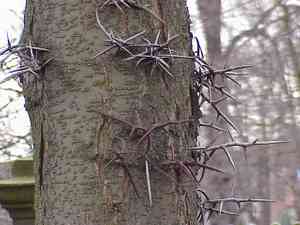
Hailing from East Asia, chinese Honeylocust is celebrated for its delicate leaves and graceful, expansive crown. Effective pruning for chinese Honeylocust entails reducing dense limbs, excising lifeless or ailing wood, and sculpting for robust structure. The period from late winter to early spring is most suitable, aligning with its dormant phase and before new spring growth. Trimming at this time lessens sap exudation and refines the tree's inherent shape. Proper methods boost light penetration and air movement, fostering vitality and decreasing upkeep.
What Are the Benefits of Pruning Chinese Honeylocust?
What Are the Benefits of Pruning Chinese Honeylocust?
Trimming chinese Honeylocust encourages robust development and maintains its form, ensuring a healthier framework and enhancing visual appeal. Regular trimming can prevent congestion, allowing light and air to reach internal branches, thereby fostering vitality.
What Is the Best Time for Pruning Chinese Honeylocust?
What Is the Best Time for Pruning Chinese Honeylocust?
Trimming or shaping chinese Honeylocust in late winter or early spring is advisable as these periods precede the start of the plant's active growth phase. Pruning during late winter ensures the removal of any dead or damaged limbs before new growth emerges, which helps direct the plant's energy into producing healthy new growth. Early spring offers an opportunity to shape the plant by guiding the direction of new growth. Pruning at this time minimizes the risk of disease transmission and reduces healing time for pruned areas, as the plant will be entering its rapid growth phase. It is also important to avoid pruning chinese Honeylocust during its flowering or fruiting periods to prevent a reduction in its ornamental or fruit-bearing potential.
What Tools Do I Need to Prune Chinese Honeylocust?
Hand Pruners
Perfect for cutting branches up to 3/4 inches in diameter, hand pruners ensure precise cuts on chinese Honeylocust's smaller branches, promoting healthy growth and easy shaping.
Lopping Shears
Ideal for thicker branches, typically between 3/4 and 2 inches in diameter, their long handles provide leverage for cleaner cuts without harming chinese Honeylocust.
Pruning Saw
For branches exceeding 2 inches in diameter, a pruning saw allows for efficient removal without causing undue stress to chinese Honeylocust.
Pole Pruner
When chinese Honeylocust grows taller, a pole pruner is essential to safely reach higher branches from the ground.
Hedge Shears
Useful for trimming and shaping foliage if chinese Honeylocust is being maintained as a hedge or for creating a specific form.
Gloves and Safety Gear
Protective gloves are recommended to prevent scratches from chinese Honeylocust's thorns during the pruning process.
How to Prune Chinese Honeylocust
Sterilize Tools
Before pruning chinese Honeylocust, ensure all pruning tools are sterilized to prevent the spread of disease. Use a solution of 1 part bleach to 9 parts water to sterilize the cutting blades.
Identify Parts
Examine chinese Honeylocust carefully to locate all dead and diseased branches. Look for branches that appear dry, brittle, or discolored and those with visible signs of infection or rot.
Cutting Angle
When removing dead or diseased branches from chinese Honeylocust, make cuts at a 45-degree angle to promote healing and prevent water collection on the cut surface, which can lead to decay.
Clean Cuts
Make clean cuts close to the trunk of chinese Honeylocust, without leaving any stubs. Stubs can hinder the plant's healing process and may encourage disease or pest infestation.
Dispose
After pruning chinese Honeylocust, properly dispose of all removed material. Avoid composting diseased branches to prevent the spread of pathogens to other plants.
Common Pruning Mistakes with Chinese Honeylocust
Over Pruning
Removing too much foliage from chinese Honeylocust at once, which can stress the plant and stunt its growth.
Improper Cut Locations
Cutting chinese Honeylocust either too close or too far from the node can result in poor healing and potential for disease.
Using Dull Tools
Pruning chinese Honeylocust with dull tools creates jagged cuts that are more susceptible to pests and diseases.
Neglecting Wound Dressing
Failing to apply wound dressing to large cuts on chinese Honeylocust can leave the plant vulnerable to infections.
Ignoring Disease Control
Pruning chinese Honeylocust without sterilizing tools between cuts can spread diseases from infected to healthy parts.
Uneven Shaping
Pruning chinese Honeylocust without a plan may lead to an unbalanced structure, affecting its aesthetic and health.
Common Pruning Tips for Chinese Honeylocust
Clean Cuts
Make clean, angled cuts just above a bud or branch to promote healthy regrowth in chinese Honeylocust.
Tool Maintenance
Keep pruning tools sharp and clean to ensure precise cuts for chinese Honeylocust, reducing damage and disease risk.
Consider Growth
Prune with the natural growth habit of chinese Honeylocust in mind to maintain its structure and vigor.
Preserve Nodes
Ensure when cutting back branches on chinese Honeylocust, a few nodes remain to facilitate new growth.
Sequential Pruning
Start by removing dead, damaged, or diseased branches from chinese Honeylocust, followed by selective thinning for air circulation.
Wound Care
On chinese Honeylocust, use wound dressing on cuts larger than 1 inch in diameter to protect against decay organisms.



