How to Propagate Chinese Honeylocust?
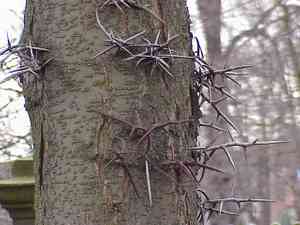
Reproducing chinese Honeylocust utilizes the technique of seeding, which necessitates careful consideration of the growing medium, verifying its excellent drainage and richness. The seeds generally need prior treatment to overcome dormancy and stimulate sprouting, a procedure that might involve methods such as scarification or immersion in heated water. Young plants need steady hydration but must not be oversaturated, and they thrive in an environment providing abundant sunlight to foster robust development. After they are rooted, juvenile chinese Honeylocust need progressive adaptation to outdoor environments before their ultimate relocation.
Optimal Timing for Chinese Honeylocust Propagation
Propagation Type
Cutting
Propagation Season
Autumn,Winter
Tools Required for Chinese Honeylocust Propagation
Sharp Pruning Shears
Pruning shears are vital for making clean, precise cuts on chinese Honeylocust during the cutting process. A sharp blade prevents crushing or damaging cuttings, which could hinder rooting. Sterilize shears before use to avoid introducing pathogens, critical for the health and viability of chinese Honeylocust cuttings.
Rooting Hormone
Rooting hormone aids in stimulating root development on chinese Honeylocust cuttings, significantly boosting the likelihood of successful propagation. This hormone encourages healthier root formation, essential for the new plant's longevity. Apply by lightly dusting the cut stem end before planting.
Sterilized Potting Mix
A sterile potting mix offers a clean, regulated environment for chinese Honeylocust cuttings to root. This minimizes the risk of soil-borne diseases impacting young plants. The mix should drain well yet retain enough moisture to support initial growth without waterlogging roots.
Planting Pots
Small to medium-sized planting pots are suitable for the initial growth phase of chinese Honeylocust after cutting. These pots must have adequate drainage holes to maintain a balanced soil environment, fostering healthy root development without excessive water retention that could lead to root rot.
How to Propagate Chinese Honeylocust?
Propagation Type
Moderately Difficult
Caring for Your Newly Propagated Chinese Honeylocust
Caring for Your Newly Propagated Chinese Honeylocust?
Once rooting is successful, gradually introduce chinese Honeylocust to outdoor conditions if initially grown indoors. Plant them in a location with full sun to partial shade. Ensure the soil is fertile, well-drained, and keep it moderately watered, especially during dry periods. Regular pruning helps maintain shape and encourages healthier growth. Monitor for typical chinese Honeylocust pests and diseases and treat as needed to prevent damage.
Common Errors to Avoid When Propagating Chinese Honeylocust
Overwatering
Excessive watering can lead to root rot and fungal diseases, severely impacting chinese Honeylocust's health and reducing its chances of successful propagation.
Inadequate light
Insufficient lighting can weaken chinese Honeylocust by slowing photosynthesis, resulting in weaker seedlings or cuttings that may not root effectively.
Using old seeds
Aged or improperly stored seeds may have lower germination rates, leading to poor propagation outcomes.
Ignoring pre-treatment
Failing to pre-treat chinese Honeylocust seeds through methods like scarification can prevent them from breaking dormancy, thus hindering germination.
Tips For Propagating Chinese Honeylocust
Proper watering
Ensure chinese Honeylocust's soil is moist but not waterlogged. Good drainage is crucial to prevent root diseases and promote healthy root development.
Adequate light exposure
Provide chinese Honeylocust with sufficient sunlight to encourage robust growth. If grown indoors or in shaded areas, consider using grow lights.
Fresh seed usage
Always use fresh seeds or acquire them from a reputable source to ensure high germination rates. Store seeds under appropriate conditions to maintain their viability.
Seed scarification
Before sowing, perform scarification on chinese Honeylocust's seeds. This process improves water absorption and speeds up germination by breaking the seed coat.



