How to Transplant Water locust?
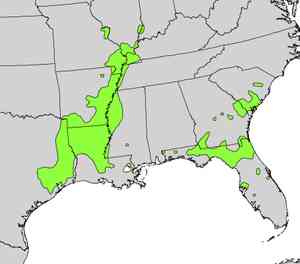
The most favorable time for relocating water locust is between the middle and end of spring, since the warmer ground promotes root development. Select a bright spot with soil that drains effectively. Provide sufficient room to allow for future expansion to ensure a successful transplant.
Essential Preparations Before Relocating Water Locust?
When is the Best Time to Move Water Locust?
The prime period for relocating water locust spans from mid-spring through late spring, when ground temperatures are sufficiently warm to promote root development. Moving it at this time ensures rapid establishment and minimizes transplant stress, allowing the perennial ample opportunity to adapt before harsh seasonal weather.
What Distance Should Be Maintained Between Water Locust Plants?
For water locust, ensure a spacing of 25-40 feet (7.6-12 meters) between plants to provide adequate room for growth and flourishing. This distance aids proper root expansion and prevents overcrowding.
What is the Optimal Soil Blend for Water Locust Relocation?
Prepare the soil for water locust by ensuring it drains effectively and is abundant in organic material. Incorporate a foundational fertilizer like a slow-release balanced 10-10-10. Loamy or sandy soil types are well-suited for this plant.
Where Should You Replant Your Water Locust?
Select a sunny spot for relocating water locust, as this plant thrives best in full sunlight. Confirm the area receives at least 6-8 hours of direct sun daily to ensure vigorous growth.
What Tools Are Necessary Before Transplanting Water Locust?
Gardening Gloves
To safeguard your hands while handling soil and the plant.
Shovel or Spade
For excavating and extracting the plant from its initial spot.
Watering Can or Hose
To hydrate the plant both prior to and following its relocation.
Pruning Shears
To trim any damaged roots or branches.
Tarp or Wheelbarrow
To transport the plant if it is large.
Hand Trowel
For more precise digging and loosening the soil around the root ball.
Bucket or Container
To immerse the plant if roots become dry during the process.
How to Extract Water Locust from the Ground?
How to Extract Water Locust from the Ground?
From Ground: First, moisten the water locust plant to dampen the soil. Next, dig a wide trench around the plant using a shovel or spade, ensuring the plant's root ball remains intact. Carefully work the spade beneath the root ball to lift the plant from its original position.From Pot: Thoroughly water the water locust plant. Gently tilt the pot sideways and tap the base to release the plant. Hold the plant by its base and slide it out, taking care not to damage the roots.From Seedling Tray: Water the water locust seedlings. Use a hand trowel to carefully lift them from the tray, ensuring you retrieve the entire root system. Handle the seedlings gently by their leaves, not the stem, to prevent harm.
Detailed Steps for Relocating Water Locust
Site Preparation
Ensure your new site is ready for the water locust plant. Dig a hole that is twice as wide and as deep as the plant's root ball.
Soil Preparation
Loosen the soil at the base of the hole and incorporate any necessary soil amendments.
Plant Placement
Position the water locust plant in the hole, ensuring it sits at the same depth as it did in its previous location. The top of the root ball should be level with the soil surface.
Backfilling
Refill the hole with soil, gently pressing down to remove any air pockets, but avoid over-compacting the soil.
Watering
Thoroughly water the newly transplanted plant to settle the soil around its roots.
Post-Transplant Care for Water Locust
Watering
Maintain consistent moisture in the soil around the water locust, avoiding sogginess, for the initial weeks after transplanting to aid in root establishment.
Mulching
Apply a layer of mulch around the plant's base to conserve moisture and regulate soil temperature.
Support
If the water locust is tall or has a broad canopy, consider staking it to provide stability during its initial growth phase.
Monitoring
Observe the plant for any indications of stress, such as wilting or discoloration, and address them promptly if necessary.
Pruning
Remove any dead or damaged foliage to encourage healthy new growth.
Addressing Common Issues During Water Locust Transplantation.
When is the optimal time to transplant water locust?
Relocate water locust from mid to late spring for best growth and establishment.
What distance should I maintain between water locust plants?
Space water locust plants 25-40 feet (7.6-12.2 meters) apart for robust growth.
How do I prepare the soil for water locust transplantation?
Ensure well-drained, fertile soil rich in organic matter. Check pH for ideal conditions.
How deep should I plant water locust?
Excavate a hole twice as wide and as deep as the root ball for water locust.
What is the recommended watering schedule after transplanting water locust?
Water thoroughly post-transplant and keep the soil moist, not saturated, for the first months.
How can I prevent transplant shock in water locust?
Water well, minimize root disturbance, and consider a root stimulant to lessen shock.
Should I prune water locust before or after transplanting?
Prune water locust sparingly after transplanting to avoid further stressing the plant.
What are indicators of transplant stress in water locust?
Look for wilting, yellowing leaves, or stunted growth as signs of stress in water locust.
How can I provide support for water locust after transplanting?
Stake young water locust plants if necessary and mulch around the base to retain moisture.
Is it necessary to fertilize water locust immediately after transplanting?
Wait a few weeks after transplanting before fertilizing water locust to prevent root burn.



