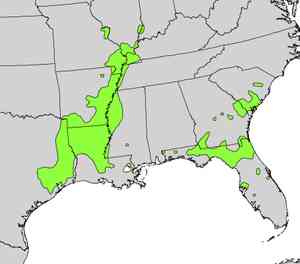
Water locust (Gleditsia aquatica)
Also known as: Water Locust
Gleditsia aquatica, or water locust, typically reaches heights of 15 to 18 meters. It thrives in wet, swampy environments, often found in floodplains and along riverbanks. The tree prefers partial to full sunlight.
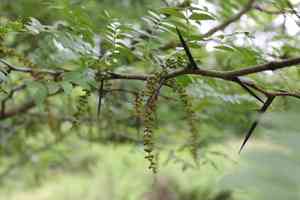
A member of the Fabaceae family, Gleditsia aquatica produces flat, reddish-brown pods, usually containing a single seed. The leaves are compound, typically featuring 7-15 small leaflets, and can sometimes resemble those of the Acacia. The tree's bark is grayish-brown and is often adorned with long, sharp thorns.
In This Article
Attributes of Water locust
Lifespan
Perennial
Plant Type
Tree, Shrub
Plant Height
20-30 meters
Spread
10-15 meters
Leaf Color
Green
Flower Size
Small, less than 1 cm
Flower Color
Greenish-white
Images of Water locust
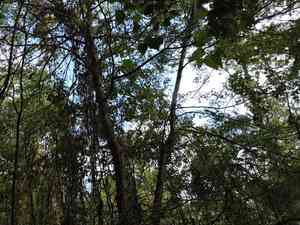
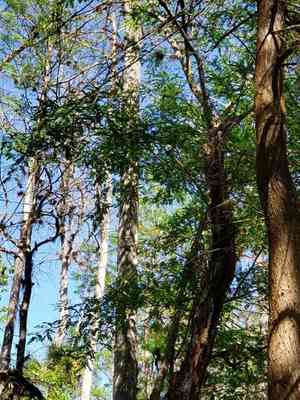
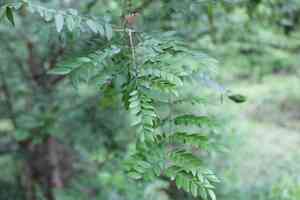
Quickly Identify Water locust
1
Gleditsia aquatica can be identified by its characteristic long thorns on the trunk and branches, compound leaves with many small leaflets, and its preference for wet, swampy areas.
Scientific Classification of Water locust
Phylum
Vascular plants
Class
Dicotyledons
Order
Fabales
Family
Legume
Genus
Honey locusts
Species
Water locust
Planting and Growing of Water locust
Care Difficulty
Easy
Watering Schedule
Every 2 days
Sunlight Requirements
Full sun
Sunshine Duration
4-8 hours
Ideal Temperature
68-86℉
Soil Type
Potting Mix, Peat Mix
Soil pH
6.5-7.5
Fertilizer Type
Balanced
Pruning Season
Spring, Summer
Pruning Area
Branches, Leaves
Pruning Frequency
2 times a year
Repotting Season
Spring
Pot Type
Plastic, Terracotta
 How to Water Water locust?
Gleditsia aquatica requires a watering amount of about 500 ml per session, enough to thoroughly moisten the soil without leaving it waterlogged. The soil should be moist and not soggy; consistency is key to meet its moisture needs.
What are the symptoms of an underwatered Water locust?
›
What should I do if my Water locust is not getting enough water?
›
What are the symptoms of an overwatered Water locust?
›
How to save an overwatered Water locust?
›
 What Are the Sunlight Requirements for Water locust?
Partial to full sun is ideal for Gleditsia aquatica, thriving with 6 to 8 hours of exposure. This light range supports robust photosynthesis, resulting in lush leaves and sturdy growth.
What is the best time of day for sunlight?
›
How to provide ideal light conditions indoors?
›
What's the benefit of achieving ideal sunlight?
›
 What Is the Ideal Temperature Range for Water locust?
Gleditsia aquatica thrives in temperatures ranging from 68°F to 86°F. This range supports optimal growth and health, enabling the plant to utilize nutrients effectively and maintain robust photosynthesis. Within this temperature zone, the plant will show vibrant leaves and steady growth.
 What Soil is Best for Water locust?
Gleditsia aquatica thrives in soils that allow excess water to drain away quickly. A well-draining soil minimizes the risk of root rot and ensures healthier growth by providing sufficient oxygen to the roots. This species prefers soils with moderate fertility. It does not require rich soils and can survive in less nutrient-dense environments, which supports its resilience in varied conditions. Although called 'aquatica,' this plant benefits from consistent moisture but does not tolerate waterlogged conditions. Ensuring soil retains some moisture without becoming oversaturated prevents stress and promotes optimal growth.
 How to Fertilize Water locust?
For Gleditsia aquatica, appropriate fertilization is crucial. Use a balanced 10-10-10 NPK fertilizer. For liquid fertilizers, diluting it at half strength is recommended to avoid root burn. For solid fertilizers, use around 1.5 to 2 pounds per tree depending on its size and growth stage. This ensures nutrients are absorbed without overwhelming the plant.
 How to Prune Water locust?
Begin by identifying dead, diseased, or damaged branches. These are usually the ones that look weak or are visibly affected by pests or diseases. Pruning such branches will help to direct the tree's energy towards healthy growth. When making a cut, do so at a 45-degree angle slightly above an outward-facing bud. This technique encourages water runoff and prevents infection while encouraging new growth in the desired direction. Always cut above a node or a side branch. Continue by trimming any branches that disturb the tree’s natural shape or cross over others. Maintaining an open canopy ensures sufficient sunlight and air reach all parts of the tree. Gleditsia aquatica has a naturally graceful form, so prune with the objective of retaining this silhouette.
More About Pruning Techniques→
 How to Propagate Water locust plant?
1
Collect mature Gleditsia aquatica pods and extract seeds. To break dormancy, soak seeds in warm water for 24 hours. This helps seeds absorb moisture, promoting germination.
2
Cut healthy, non-flowering stems approximately 6 to 8 inches in length just below a node. Dip the cut end in rooting hormone to encourage root development before placing it in moist potting mix.
3
Collect a scion from a desirable Gleditsia aquatica plant and graft onto a sturdy rootstock. Secure the graft union with grafting tape to ensure proper adhesion and healing.
 How to Repot Water locust plant?
1
Repot Gleditsia aquatica when it’s root-bound or you notice reduced growth. Spring is ideal as the plant is entering its growth phase, ensuring it has the vigor to handle the change. Look for roots protruding from drainage holes or visible at the soil surface as key indicators.
2
Select a pot that is just one size larger than the current one to prevent excess soil water retention, which can lead to root rot. Ensure it has adequate drainage holes at the bottom to facilitate the free flow of excess water, reducing the risk of overwatering.
3
Opt for a well-draining loamy mix with good aeration to provide a balance of moisture and airflow around the roots. This type of soil offers the necessary balance for water absorption and drainage, crucial for healthy growth of Gleditsia aquatica.



