How to Propagate Water locust?
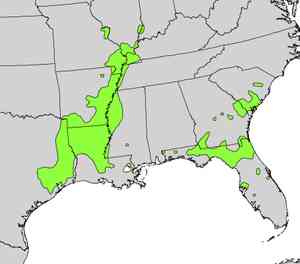
Water locust flourishes most effectively when reproduced via cuttings, presenting a convenient and uncomplicated technique for cultivators. To ensure successful rooting, select robust, uninfected branch sections, preferably during phases of vigorous development. The composition of the growing medium is highly important; formulate a blend abundant in organic material to supply the cuttings with essential nourishment for root formation. Consistent spraying will assist in preserving suitable humidity levels without excessively drenching the substrate, which is vital for the root well-being of water locust.
Optimal Time for Water Locust Propagation
Propagation Method
Cutting
Propagation Period
Autumn,Winter
Tools Required for Water Locust Propagation
Pruning Shears
Pruning shears are vital for obtaining clean, precise cuttings from water locust. Sharp blades ensure smooth, non-jagged cuts, which is crucial for disease prevention and promoting quicker healing and rooting.
Rooting Hormone
Rooting hormone aids in enhancing the root development of water locust cuttings. Applying it to the freshly cut base significantly boosts the chances of successful rooting, essential given water locust's specific growth needs.
Sterilizing Agent
A sterilizing agent (like alcohol or bleach solution) is used to sanitize pruning shears and other tools contacting water locust. This prevents disease transfer between plants and ensures healthy cuttings for propagation.
Planting Medium
A well-draining, sterile planting medium is crucial for successful water locust propagation. This medium should retain enough moisture for root growth without becoming waterlogged, which could cause rot or fungal infections.
Propagating Water Locust
Propagation Difficulty
Moderately Difficult
Post-Propagation Care for Water Locust
Post-Propagation Care for Your Water Locust
After propagation, keep water locust soil consistently moist but not saturated. Gradually acclimate the plant to its new environment by slowly introducing more light and less humidity over several weeks. Water locust thrives in partial shade to full sun as it matures, ensuring initial protection from harsh afternoon sun. For optimal growth, fertilize young plants with a balanced, slow-release fertilizer per package instructions. Regular monitoring for pests and diseases is essential to maintain plant health.
Common Errors to Avoid When Propagating Water Locust
Excessive watering during rooting
Overwatering water locust cuttings or young plants can lead to root rot and fungal diseases, impeding root development and jeopardizing the plant's overall health.
Insufficient light exposure
Failure to provide adequate light during the rooting phase can result in poor root development and weak growth, as water locust requires bright but indirect light to thrive.
Using an unsuitable substrate
Utilizing a substrate that drains poorly or doesn't match water locust's natural growing conditions can hinder proper root aeration and water drainage, leading to poor rooting success.
Advice for Propagating Water Locust
Utilize semi-hardwood cuttings
For improved success rates, use semi-hardwood cuttings from water locust in late summer. These possess the ideal balance of maturity and growth potential for optimal rooting.
Maintain elevated humidity
Keeping high humidity around water locust cuttings ensures the necessary moisture environment for root initiation and growth, without the risks associated with overwatering the soil.
Prepare an appropriate rooting medium
Use a well-draining, loamy, and slightly acidic soil mix to mimic water locust's natural habitat, supporting healthy root development and reducing the risk of soil-borne diseases.



