How to Prune Water locust?
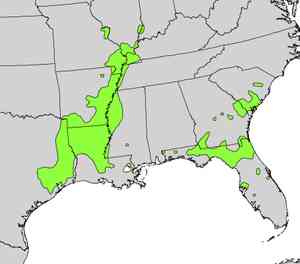
A deciduous tree that flourishes in moist habitats, water locust greatly benefits from regular trimming. The best periods for pruning are in late winter or early spring, prior to the emergence of new foliage. Pruning efforts should concentrate on eliminating impaired or ailing limbs, reducing dense sections to enhance light exposure and air circulation, and sculpting the tree for robust structure. This practice not only boosts development and bloom output but also averts potential dangers from fragile branches, thereby contributing to the tree's general well-being and visual appeal.
What Are the Benefits of Pruning Water Locust?
What Are the Benefits of Pruning Water Locust?
Trimming water locust promotes robust development and maintains its desired form. Regular cutting helps prevent excessive growth and fosters a stronger, more organized plant, improving light penetration and air movement.
What Is the Best Time for Pruning Water Locust?
What Is the Best Time for Pruning Water Locust?
Pruning water locust in late winter or early spring is optimal, as it coincides with the period just before new growth begins. This timing ensures rapid healing of cuts and minimizes the risk of exposing fresh wounds to harsh winter conditions, enhancing the plant's overall health and resilience. Furthermore, this period precedes the blooming season, allowing the plant to channel energy into producing new, healthy growth, which can lead to improved flowering and fruiting in subsequent seasons.
What Tools Do I Need to Prune Water Locust?
Bypass Pruners
Perfect for making precise cuts on young, slender branches of water locust, helping to avoid damage and illness.
Lopping Shears
Suitable for thicker branches commonly found in water locust, which can have a branch thickness of up to 1.5 inches. Their extended handles offer leverage and reach.
Pruning Saw
Essential for cutting through the largest branches of water locust, particularly useful for mature trees where branches may exceed lopper capabilities.
Pole Pruner
Useful for reaching elevated branches without needing a ladder, making the pruning process safer and more efficient for water locust.
Gardening Gloves
Crucial for protecting hands from thorns and sharp branches while pruning water locust.
Safety Glasses
Shields eyes from flying debris and dust during the pruning process.
How to Prune Water Locust
Identify
Locate dead or diseased branches on water locust. Look for branches showing signs of decay, breakage, or discoloration and lack of leaves compared to healthier sections.
Sanitize
Disinfect your pruning tools before starting. Use a 10% bleach solution or rubbing alcohol to clean the blades. This prevents the spread of disease between plants during pruning.
Cut
Make clean cuts to remove dead and diseased branches. Use sharp pruning shears or a pruning saw. Cut at a 45-degree angle, about a quarter inch above an outward-facing live bud or branch junction. This promotes proper healing and growth direction.
Dispose
Properly discard the removed branches. Do not compost if diseased; instead, burn them or dispose of them with household waste to prevent spreading pathogens to other parts of your garden.
Inspect
After pruning, examine water locust for any remaining diseased areas or weak branches that might have been missed. Reassess the structure of water locust to ensure a balanced shape and even growth.
Common Pruning Mistakes with Water Locust
Overpruning
A frequent error when pruning water locust is removing too much foliage at once. This can stress the plant, leading to reduced growth and vitality.
Improper cut location
Making pruning cuts too close to the trunk or too far from the buds can harm water locust. Incorrect cut placements can attract pests and diseases and hinder proper healing.
Using dull tools
Employing blunt or unclean pruning tools can create jagged cuts on water locust, making them more vulnerable to disease and decay.
Neglecting structure
Failing to consider the natural form of water locust can result in unbalanced growth and structural weakness, potentially leading to breakages under stress, such as wind or foliage weight.
Common Pruning Tips for Water Locust
Sharp and clean tools
Always use sharp and sanitized pruning tools to make clean cuts on water locust. This prevents diseases and promotes faster healing of the cuts.
Prune for structure
Focus on removing branches that cross or rub against each other, and aim to maintain a natural and open structure. This enhances light penetration and air circulation, fostering a healthier water locust.
Cut at angle
Make cuts at a 45-degree angle about a quarter inch above an outward-facing bud. This encourages outward growth for water locust, helping maintain an ideal shape and form.
Moderate pruning
Prune up to one-third of the total foliage during a session. This amount is generally safe for maintaining water locust's health and encouraging vigorous growth without over-stressing the plant.



