How to Transplant Red horned poppy?
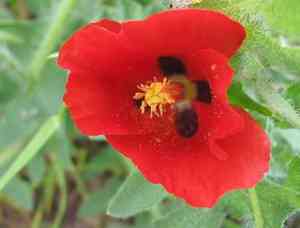
The onset of vigorous spring development offers an ideal period to relocate red horned poppy, allowing its root system to become established prior to summer. Position red horned poppy in a bright spot with soil that drains effectively, and although not mandatory, applying a layer of mulch after transplanting can aid in preserving soil moisture.
What Preparations are Needed Before Transplanting Red Horned Poppy?
What is the Ideal Time for Transplanting Red Horned Poppy?
The start of the growing season, once winter's chill has passed, offers an excellent opportunity to settle red horned poppy into your garden. Root establishment when the soil warms promotes vigorous development. Moving red horned poppy during this period leverages natural growth cycles, leading to a vibrant display in your space. Ensuring red horned poppy is relocated when the air and earth are alive with renewal allows it to flourish, showcasing nature's resilience and beauty.
How Much Space Should You Leave Between Red Horned Poppy Plants?
When relocating red horned poppy, it's best to ensure each plant has sufficient room to expand. Position them approximately 1-2 feet (30-60 cm) apart. This will provide them with ample area to spread and thrive.
What is the Best Soil Mix for Red Horned Poppy Transplanting?
For optimal outcomes, prepare your garden with soil that drains well and is rich in organic matter. Incorporate a slow-release base fertilizer to supply red horned poppy with the necessary nutrients for healthy development.
Where Should You Relocate Your Red Horned Poppy?
Red horned poppy flourishes in locations that receive full sunlight. Choose a spot in your garden that gets abundant sunshine throughout the day for planting. Doing so will help your red horned poppy thrive.
What Equipments Should You Prepare Before Transplantation Red Horned Poppy?
Gardening Trowel
A small hand tool utilized for digging, applying, smoothing, or shifting small quantities of soil or dirt. It's perfect for gently extracting the red horned poppy from its initial spot.
Gardening Spade
A larger implement for excavating the new home of your red horned poppy in the ground. Ideal if you're moving it from one ground location to another.
Gardening Gloves
To safeguard your hands while handling the soil and red horned poppy. Gloves with rubber or vinyl enhance your grip and protect your skin from potential irritants.
Gardening Fork
This tool is particularly useful for loosening the soil around your red horned poppy plants, making it easier to efficiently uproot them.
Watering Can
Used to moisten the soil before and after relocating your red horned poppy.
Rooting Hormone
This aids in the plant's establishment in its new site by encouraging root development. Suitable for both in-ground and potted red horned poppy transplants.
How Do You Remove Red Horned Poppy from the Soil?
How Do You Remove Red Horned Poppy from the Soil?
From Ground: Gently watering the red horned poppy plant the day prior to your planned transplant can simplify the process. The damp soil will cling to the roots, offering a protective layer during relocation. Use a gardening spade or fork to carefully loosen the soil surrounding the red horned poppy plant, ensuring no damage to the root system. Lift your plant gently from its base, aiming to keep as much soil attached to the roots as possible. If needed, you can gently shake off excess soil.From Pot or Tray: Water your red horned poppy at least an hour before transplanting to prepare it for the move and prevent transplant shock. Gently tilt your red horned poppy on its side, carefully holding the main stem, and coax the plant and its root system out of the pot. For seedling trays, push up gently from the bottom and slowly draw out the red horned poppy, ensuring a firm but gentle grip on the leaf stem(s).
Step-by-Step Guide for Transplanting Red Horned Poppy
Digging Hole
Begin by excavating a hole in the new location with sufficient depth and width to comfortably accommodate the root system of your red horned poppy. A general guideline is to dig a hole twice the size of the root ball.
Preparing the Hole
Apply rooting hormone to stimulate strong root growth post-transplant and ensure a swift recovery from the removal process.
Placing the Plant
Gently position the red horned poppy in the hole and arrange the roots naturally. Ensure the top of the root ball is level with the ground surface.
Backfilling
Refill the hole, adjusting the soil around the roots, and gently firm it down.
Watering
Finally, water the red horned poppy gently but thoroughly using the watering can. You should aim to keep the soil consistently moist but not waterlogged.
How Do You Care For Red Horned Poppy After Transplanting?
Watering_Consistency
It's vital to establish a consistent watering schedule based on the needs of your red horned poppy. For the initial few weeks, maintain consistently moist soil. Be careful not to overwater, which can lead to root rot. After a few weeks, as the plant begins to settle in its new location, revert to standard watering practices.
Pruning_Adjustment
Consider removing any wilted or yellowed leaves after the transplant as they might be diverting resources from new growth. Don't worry, this is completely normal, and your red horned poppy will recover with proper care and attention.
Mulching_Root Protection
Applying mulch three inches away from the plant's base can help retain soil moisture, control weeds, and stabilize soil temperature.
Troubleshooting Common Issues with Red Horned Poppy Transplantation.
When is the best time to transplant red horned poppy?
The optimal time to transplant red horned poppy is during the plant's initial growing season, referred to as S1.
How much space should be left between red horned poppy plants while transplanting?
Each red horned poppy plant should be spaced approximately 1-2 feet (30-60 cm) apart to allow for ideal growth.
What should I do if the leaves of red horned poppy start to yellow after transplanting?
Yellowing leaves might indicate excessive watering or inadequate drainage. Adjust your watering routine and ensure the plant is in well-draining soil.
What should I do if red horned poppy doesn't seem to thrive after being transplanted?
Ensure that red horned poppy receives ample sunlight, the soil type is appropriate, and the plant is watered as needed. Adjust these factors as required.
What soil type is best for transplanting red horned poppy?
Red horned poppy prefers soil that drains well. Enrich the soil with organic compost or a slow-release fertilizer for best results.
How deep should I plant red horned poppy when transplanting?
When relocating, plant red horned poppy at the same depth it was in its previous container or spot.
What's the ideal temperature for red horned poppy after transplanting?
Red horned poppy is a resilient plant and can withstand a broad range of temperatures. However, avoiding extreme cold or heat will ensure optimal growth.
My transplanted red horned poppy looks wilted. What should I do?
Wilted plants could be experiencing shock. Shield the plant from intense sun and wind, and maintain consistent but not excessive watering.
How should red horned poppy be watered after transplanting?
Ensure the soil is moist but not saturated. Overwatering can lead to root rot. The soil should dry out slightly between watering sessions.
Can I trim red horned poppy after transplanting it?
Pruning is generally not necessary immediately after transplanting. It's better to allow red horned poppy to adapt to its new environment before pruning.



