How to Prune Red horned poppy?
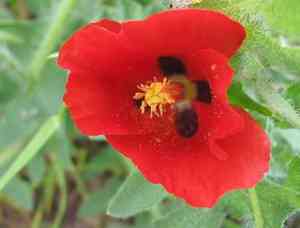
This enduring plant, recognized for its unique silver-blue leaves and vibrant orange-yellow blossoms, thrives with trimming to preserve its form and stimulate vigorous development. Essential methods for red horned poppy involve removing faded flowers and shortening elongated stalks. The most effective time for pruning is from late spring to early summer, after the initial flowering, which encourages a subsequent blooming period. Autumn pruning readies red horned poppy for its winter resting phase. Consistent trimming deters excessive growth and illness, thereby improving the plant's aesthetic value.
Advantages of Trimming Red Horned Poppy
Advantages of Trimming Red Horned Poppy
Trimming red horned poppy promotes vigorous development, enabling it to direct energy towards producing strong stems and leaves. It also maintains the plant's form for a more attractive appearance.
Optimal Period for Trimming Red Horned Poppy
Optimal Period for Trimming Red Horned Poppy
Trimming red horned poppy in the Spring, just prior to the start of the growing period, stimulates robust growth and aids in preserving plant health. Early Summer trimming, following the initial bloom, allows gardeners to shape the plant and remove spent flowers, which can encourage a second flowering. Cutting back in the Fall prepares red horned poppy for dormancy by eliminating dead or diseased material, lowering the risk of infections and enhancing winter survival.
Necessary Tools for Trimming Red Horned Poppy
Bypass Pruners
Perfect for making precise cuts on red horned poppy, as it possesses delicate stems that require clean cuts to prevent harm. Bypass pruners operate like scissors, with two curved blades passing each other, providing a clean and healthy cut essential for the plant's recovery process.
Gardening Gloves
Protection is crucial when handling red horned poppy since it can have spiky foliage. Gloves prevent scratches and ensure safe handling of the plant during the trimming process.
Pruning Shears
For thicker stems or more mature specimens of red horned poppy, a sturdy pair of pruning shears can supply the necessary force without causing undue stress to both the plant and the gardener.
How to Trim Red Horned Poppy
Prepare tools
Ensure the pruning shears are clean and sharp to make clean cuts without harming red horned poppy.
Identify withered leaves
Locate withered or dead leaves on red horned poppy, which are typically brown, dry, and may be curled.
Sanitize hands and tools
Before starting, sanitize your hands and tools with rubbing alcohol or a bleach solution to prevent the spread of disease.
Cut withered leaves
Carefully cut the withered leaves at the base where they meet the stem or branch, avoiding damage to healthy parts of red horned poppy.
Dispose withered leaves
Remove and properly dispose of the withered leaves to reduce the risk of disease and pest infestation in red horned poppy.
Common Trimming Errors with Red Horned Poppy
Overpruning
Removing too much foliage can stress red horned poppy, leading to poor growth and reduced flowering. It's important to prune just enough to encourage healthy growth without stripping the plant excessively.
Pruning into old wood
Red horned poppy may not respond well to cuts made into older, woodier stems. Pruning should primarily involve more recent growth to ensure the best recovery and growth.
Improper tool use
Using dull or unclean pruning tools can damage red horned poppy by creating jagged cuts that are more susceptible to disease. It's critical to use sharp, clean tools for clean cuts.
Disregarding plant's natural shape
Not considering the natural growth pattern of red horned poppy during pruning can lead to an unnatural appearance and might impede the plant's healthy development.
General Trimming Advice for Red Horned Poppy
Selective thinning
Thin out crowded areas to improve light and air circulation, which can promote healthier growth and reduce the likelihood of disease.
Remove dead or diseased material
Regularly removing dead, dying, or diseased foliage helps maintain red horned poppy's vigor and appearance, and prevents potential spread of disease.
Encourage new growth
After flowering, light pruning encourages red horned poppy to produce new, fresh growth, which can lead to more robust plants and better blooms in the following season.
Pruning for shape
Trim red horned poppy to maintain the desired shape and size, which will also help in managing the overall health of the plant.



