How to Propagate Red horned poppy?
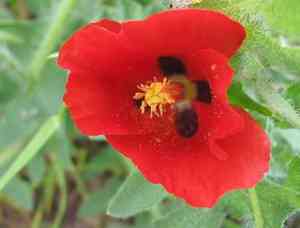
Red horned poppy flourishes when reproduced by seeding. For peak outcomes, employ a well-draining substrate abundant in organic material to encourage robustness and vitality. Direct seeding into their permanent spot is efficient, as red horned poppy typically forms extensive root systems that are sensitive to disruption. Confirm they get adequate sunlight and sustain steady hydration during the early growth period for strong sprouting and maturation.
When Is the Optimal Time to Propagate Red Horned Poppy?
Propagation Method
Seeding
Propagation Period
Spring
What Equipment Is Used in Red Horned Poppy Propagation?
Seed trays
Seed trays are vital for initiating red horned poppy seeds within a controlled setting. These shallow containers facilitate uniform seed distribution and efficient space utilization. Their flat design also simplifies maintaining consistent soil moisture and temperature, both crucial for red horned poppy germination.
Soil mix
A well-draining soil blend suitable for seed germination is essential for red horned poppy. The mixture should ideally contain a balanced proportion of peat, perlite, and vermiculite to ensure good aeration and moisture retention. This helps prevent seeds from sitting in waterlogged conditions, which can lead to fungal issues.
Misting bottle
A misting bottle is employed to gently irrigate red horned poppy seeds without dislodging them. The fine mist produced is perfect for keeping the soil uniformly moist, aiding the germination process without overwatering, which is particularly beneficial for the small seeds of red horned poppy.
Heat mat
A heat mat assists in maintaining a steady soil temperature, which is critical for red horned poppy germination. By providing warmth from below, the mat encourages quicker and more consistent seed sprouting, especially useful in colder climates or during cooler months.
How to Propagate Red Horned Poppy?
Propagation Difficulty
Simple
How to Care for Your Newly Propagated Red Horned Poppy?
How to Care for Your Newly Propagated Red Horned Poppy?
Post-germination, ensure red horned poppy is cultivated in a sunny spot as they flourish with ample sun exposure. Gradually thin out seedlings to prevent overcrowding and encourage robust plant development. Maintain moderate watering and watch for signs of pests or diseases. Fertilization is unnecessary unless grown in very poor soils. As red horned poppy is adapted to well-draining substrates, confirm the soil does not retain excess water. Regularly inspect and manage weeds to reduce nutrient competition.
Common Errors to Avoid When Propagating Red Horned Poppy
Overwatering
Excessive watering can cause root rot in red horned poppy, especially since it requires well-draining soil. Too much moisture in the soil can suffocate roots, preventing nutrient absorption and causing the plant to wilt or perish.
Deep planting
Planting red horned poppy seeds too deeply can impede germination. This species' seeds require light to sprout effectively, and burying them too far in the soil can prevent them from receiving the necessary light and warmth.
Ignoring pest control
Neglecting pest management can severely impact red horned poppy health. This plant is vulnerable to pests like aphids and spider mites, which can harm the plant by sucking sap and spreading illnesses.
Advice For Propagating Red Horned Poppy
Surface sowing
For successful germination, red horned poppy seeds should be sown on the soil surface and only lightly pressed in, without covering them. This ensures they receive sufficient light and warmth to sprout.
Well-draining soil
Utilizing well-draining soil is vital for red horned poppy health. This prevents waterlogging and reduces root rot risk, supporting healthier growth and development.
Regular monitoring for pests
Keeping a close watch on red horned poppy for pest signs and implementing prompt control measures can safeguard the plant from potential damage and health issues. Consider natural pest control methods to avoid harming the plant with chemicals.



