How to Transplant Bluebowls?
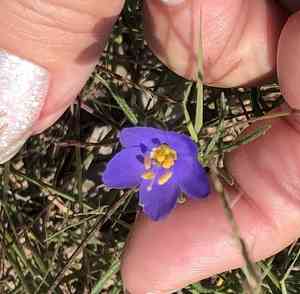
Bluebowls flourishes when relocated in the colder period from fall to the beginning of winter, as this minimizes shock. Select a bright, adequately drained spot. Ideal timing and environmental factors guarantee effective establishment and vigorous development.
What Preparations are Needed Before Transplanting Bluebowls?
What is the Ideal Time for Transplanting Bluebowls?
The best time to move bluebowls is from mid-autumn to late autumn or the beginning of winter. This timing allows the plant to establish its root system before the summer's harsh conditions, encouraging stronger development and resilience. By transplanting bluebowls then, the plant can fully benefit from cooler temperatures and increased soil moisture, ensuring a robust start.
How Much Space Should You Leave Between Bluebowls Plants?
When relocating bluebowls, ensure each plant is positioned approximately 12 inches (30 cm) apart. This spacing provides ample room for growth and helps prevent overcrowding, guaranteeing each plant receives sufficient nutrients and sunlight.
What is the Best Soil Mix for Bluebowls Transplanting?
Prepare well-draining soil by combining equal parts garden soil and compost. Incorporate a balanced, slow-release fertilizer at the base, following the manufacturer's guidelines. This will supply essential nutrients for bluebowls to flourish.
Where Should You Relocate Your Bluebowls?
Bluebowls thrives in full sun! Select a location that receives at least 6-8 hours of direct sunlight daily. This will help the plant produce vibrant blooms and maintain vigorous growth.
What Equipments Should You Prepare Before Transplantation Bluebowls?
Gardening Gloves
To safeguard your hands while handling soil and plants.
Hand Trowel
For excavating the plant and creating a new planting hole.
Shovel or Spade
Useful for digging larger trenches or holes if required.
Watering Can or Hose
To hydrate the plant before and after its relocation.
Pruners or Scissors
For trimming any damaged roots or foliage.
Plant Label and Marker
To easily identify the relocated bluebowls.
Mulch
Helps retain moisture and suppress weeds after transplanting.
How Do You Remove Bluebowls from the Soil?
How Do You Remove Bluebowls from the Soil?
From Ground: First, water the bluebowls plant to moisten the soil. Then, dig a wide trench around the plant using a shovel or spade, ensuring the plant's root ball remains intact. Carefully work the spade beneath the root ball to lift the plant from its original spot.From Pot: Water the bluebowls plant thoroughly before moving it. Gently tap the pot's sides to loosen the soil and roots. Carefully invert the pot, supporting the plant with your hand, and slide it out.From Seedling Tray: Water the seedlings thoroughly. Use a hand trowel to gently lift each bluebowls seedling, taking care to keep the root system whole. Handle the seedlings by their leaves, not their stems, to prevent damage.
Step-by-Step Guide for Transplanting Bluebowls
Prepare the New Site
Choose an appropriate location considering the sunlight and spacing needs for bluebowls. Clear the area of any weeds or debris and dig a hole that is twice the size of the root ball.
Remove the Plant
Follow the relevant removal procedure based on whether the plant is in the ground, a pot, or a seedling tray.
Inspect and Trim
Examine the roots for any signs of damage or decay. Trim any unhealthy roots using pruners or scissors.
Planting
Place the bluebowls in the prepared hole. Ensure that the top of the root ball is level with the surrounding soil. Fill in the hole with soil, pressing gently to eliminate air pockets.
Water the Plant
Water the newly transplanted bluebowls thoroughly to help settle the soil around the roots.
Add Mulch
Apply a layer of mulch around the base of the plant. This helps retain moisture and control weeds.
How Do You Care For Bluebowls After Transplanting?
Watering
Keep the soil around the bluebowls consistently moist, but not waterlogged, for the initial weeks after transplanting to aid in root establishment.
Monitoring
Watch for indications of transplant shock, such as wilting or yellowing leaves, and address any issues promptly.
Fertilizing
Avoid fertilizing immediately after transplanting. Wait a few weeks until the bluebowls shows signs of new growth.
Mulching
Replenish mulch as needed to maintain soil moisture and control weeds.
Protection
Consider temporary shading or wind protection if the bluebowls exhibits signs of stress due to environmental conditions.
Troubleshooting Common Issues with Bluebowls Transplantation.
When should I transplant bluebowls for the best results?
Relocate bluebowls during mid-fall, late fall, or early winter for optimal outcomes.
What is the ideal spacing for transplanting bluebowls?
Space bluebowls plants 12 inches (30 cm) apart for healthy development.
How do I prepare the soil before transplanting bluebowls?
Ensure the soil is well-drained and enriched with compost or organic matter.
Should I water bluebowls immediately after transplanting?
Yes, water bluebowls thoroughly right after transplanting to help it settle.
How deep should I plant bluebowls during transplanting?
Plant bluebowls at the same depth it was growing before to avoid stress.
What's the best way to handle bluebowls roots while transplanting?
Handle bluebowls roots gently to prevent damage and promote successful relocation.
Do I need to add fertilizer when transplanting bluebowls?
Incorporate a balanced, slow-release fertilizer into the soil during transplanting.
How should I protect bluebowls from transplant shock?
Water regularly and mulch around bluebowls to reduce stress and retain moisture.
What type of sunlight does bluebowls need after transplanting?
Bluebowls thrives in full sun, so choose a sunny spot for transplanting.
How do I know if my transplanted bluebowls is healthy?
Healthy bluebowls will have firm stems, vibrant leaves, and show new growth.



