How to Prune Bluebowls?
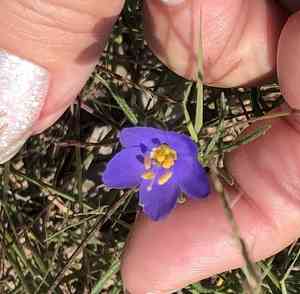
Bluebowls is distinguished by its vivid azure blossoms and sturdy stalks. Essential pruning methods include removing faded flowers to stimulate extended flowering and cutting back any lifeless or injured leaves to preserve the plant's well-being. The most suitable periods for pruning are spring, summer, and autumn, aligning with its developmental phases. Always sterilize tools to avert illness. Pruning fosters a denser look, improved air movement, and a more impressive floral exhibition.
Advantages of Trimming Bluebowls
Advantages of Trimming Bluebowls
Trimming bluebowls encourages robust development and helps maintain its form. It promotes healthier branching, boosts blooming, and lowers vulnerability to pests and illnesses. Pruning is vital for keeping bluebowls compact and visually appealing in garden environments.
Optimal Period for Pruning Bluebowls
Optimal Period for Pruning Bluebowls
The best seasons for pruning or trimming bluebowls are Spring, Summer, and Fall. Pruning in Spring and early Summer aligns with bluebowls's active growth phase, fostering healthy new growth and improving overall plant structure. Summer pruning helps manage the plant's size and shape after its initial growth spurt. Fall trimming ensures the plant is well-maintained before dormancy, preventing potential issues during winter. Avoid pruning in peak Winter and late Fall when growth slows, as this can stress bluebowls and affect its health and flowering capacity.
Tools Required for Pruning Bluebowls
Hand pruners
Perfect for precise cuts on small branches and stems, ensuring clean cuts without harming the plant's structure.
Bypass pruners
Useful for cleanly cutting live, green stems without crushing tissue, promoting healthy regrowth.
Pruning shears
Effective for shaping and maintaining the plant's overall look, suitable for slightly larger stems than hand pruners can manage.
How to Prune Bluebowls
Inspect
Examine bluebowls thoroughly to identify any shriveled leaves that require removal.
Tool Prep
Sanitize pruning shears or scissors with rubbing alcohol to prevent disease transmission.
Trim Withered
Carefully cut away shriveled leaves at their base, where they connect to the stem, ensuring a clean cut to avoid damage to healthy tissue.
Check Spread
After trimming, check the area for any additional signs of wilting on adjacent leaves or stems, and remove them if necessary.
Cleanup
Properly dispose of trimmed leaves, not in compost, to prevent potential disease spread. Clean and sterilize tools again after use.
Common Pruning Errors with Bluebowls
Over-pruning
Cutting back too much can stress bluebowls, leading to poor growth and fewer blooms. It's crucial to prune sparingly.
Improper tools
Using dull or dirty tools can damage the plant, increasing disease risk. Always use sharp, clean pruners.
Incorrect cuts
Making improper cuts, such as cutting too close to the node or leaving a stub, can harm the plant. Correct technique is vital for healthy regrowth.
Pruning at the wrong time
Pruning during unsuitable periods can negatively impact the growth cycle. While the best season is excluded, it's important to note that timing affects the plant.
General Pruning Advice for Bluebowls
Gradual approach
Always begin with a light trim to understand how bluebowls reacts before making more significant cuts.
Maintain shape
Prune selectively to preserve the natural form of bluebowls, ensuring an attractive appearance while removing any dead or damaged stems.
Sanitizing tools
Regularly sterilize pruning tools with a bleach and water solution between cuts to prevent disease spread.
Angled cuts
Make cuts at a slight angle to prevent water from collecting on the cut surface, reducing the risk of rot and infections.
Remove spent flowers
Deadhead faded flowers to encourage continuous blooming and direct the plant's energy towards new growth instead of seed production.



