How to Propagate Bluebowls?
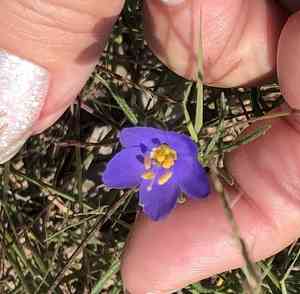
Bluebowls, originating from dry climates, flourishes in adequately drained ground with ample sunlight. To propagate, plant seeds directly into the earth, ensuring sufficient watering to stimulate sprouting. It is essential to prevent excessive moisture, offering balanced hydration. Choose a sandy or coarse substrate to replicate its native environment. Water young plants regularly but sparingly to foster robust root systems, preserving steady dampness without over-saturation.
Optimal Time for Bluebowls Propagation
Propagation Method
Seeding
Propagation Period
Spring
Tools for Bluebowls Propagation
Seed Tray
A seed tray offers an organized space for planting bluebowls seeds. It ensures each seed has ample room to sprout and develop without crowding. These trays often feature drainage holes to prevent water accumulation, vital for bluebowls's health.
Seed Starting Mix
Employing a premium seed starting mix is crucial for bluebowls seed germination. This blend is typically sterile, light, and drains well, fostering robust root growth and minimizing disease risk.
Humidity Dome
A humidity dome is placed over the seed tray to maintain elevated humidity levels, which is advantageous during bluebowls's initial germination phase. It helps retain moisture and creates a warm environment, accelerating sprouting.
Misting Bottle
A misting bottle ensures bluebowls seeds stay damp without becoming waterlogged. Gentle misting is essential to avoid disturbing the seeds and the delicate emerging seedlings.
Heating Mat
A seedling heating mat can provide consistent warmth from below, often critical for successful bluebowls germination. The regulated heat speeds up germination and supports uniform development.
Plant Labels
Labeling each section of the seed tray with plant labels helps track planted bluebowls seeds. This is especially useful for managing various sowing dates and ensuring accurate identification.
Fine Sieve
A fine sieve is used to lightly cover sown bluebowls seeds with a thin layer of seed starting mix or fine soil. This technique helps maintain proper contact between seeds and soil, promoting better germination rates.
Seed Dibber
A seed dibber aids in creating uniform planting holes at the correct depth for bluebowls seeds. This ensures each seed is sown at an optimal depth, important for consistent germination and healthy seedling development.
How to Propagate Bluebowls?
Propagation Difficulty
Simple
Caring for Newly Propagated Bluebowls
Caring for Newly Propagated Bluebowls
Post-propagation, ensure bluebowls receives ample to partial sunlight. Water moderately, allowing the soil to dry between waterings to prevent root rot. Regularly inspect for pests and diseases, and provide good air circulation to deter fungal issues. These plants thrive in well-drained soil and can endure drought once established, making them relatively low-maintenance.
Common Propagation Errors to Avoid with Bluebowls
Overwatering
Excessive moisture can lead to root decay, which can severely harm or kill bluebowls.
Poor Soil Drainage
Using soil that holds too much water can impede root development and cause fungal problems.
Incorrect Soil Type
Employing soil that is too rich or dense can suffocate roots due to insufficient aeration.
Lack of Light
Insufficient sunlight can hinder proper growth and development, making the plant weak and more vulnerable to disease.
Improper Seed Handling
Failing to handle seeds carefully can damage them, resulting in lower germination rates.
Wrong Pot Size
Using pots that are too large can cause soil to remain wet for too long, while pots that are too small can restrict root growth.
Tips for Propagating Bluebowls
Well-Drained Soil
Utilize soil with excellent drainage to prevent waterlogging and encourage healthy root growth for bluebowls.
Moderate Watering
Water bluebowls sparingly, allowing the soil to dry out between waterings to avoid root rot.
High Sun Exposure
Ensure bluebowls receives abundant sunlight to support vigorous growth and vibrant blooms.
Gentle Handling of Seeds
Handle seeds with care to prevent damage, ensuring a higher success rate for germination.
Appropriate Pot Size
Select pots that are proportional to the plant's size, allowing sufficient space for root expansion without retaining excessive moisture.
Use of Gritty Soil Mix
Incorporate grit or sand into the soil blend to improve drainage and replicate bluebowls's natural growing conditions.



