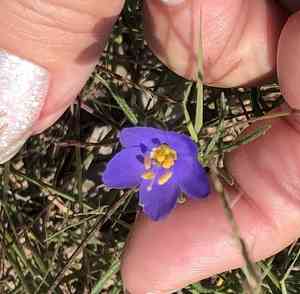
Bluebowls (Giliastrum rigidulum)
Also known as: Blue Gilia
Bluebowls (Nolina microcarpa) is a hardy plant characterized by its robust, fibrous trunk and tough, leathery leaves designed to minimize water loss. This species is well-adapted to arid environments, featuring deep roots that tap into underground water sources. Its foliage is sparse, comprised of narrow, drought-resistant leaves. The plant produces understated yet attractive blooms, typically in shades of blue or violet, which help attract pollinators crucial for its reproduction in rocky or sandy soils.
In This Article
Attributes of Bluebowls
Lifespan
Annual, Perennial
Plant Type
Herb
Plant Height
30 cm to 91 cm
Spread
N/A
Leaf Color
Green
Flower Size
1-2 cm
Flower Color
Blue
Images of Bluebowls
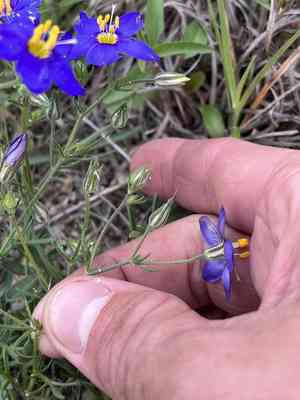
Quickly Identify Bluebowls
1
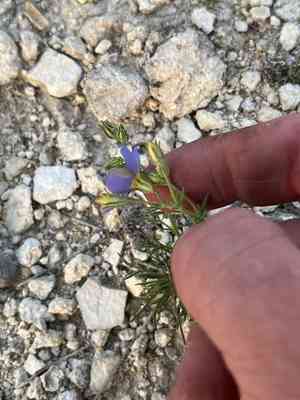
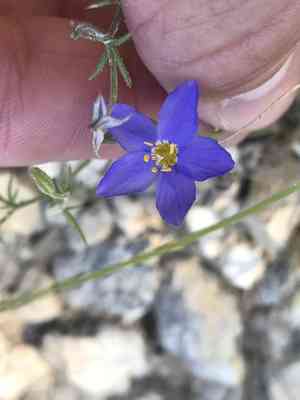
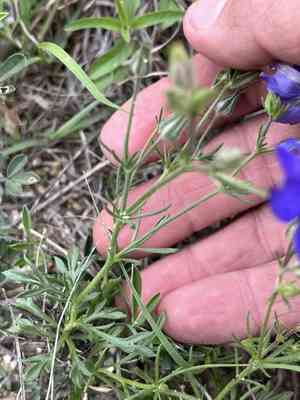
Giliastrum rigidulum can be identified by its stiff, branching stems and bright blue, tubular flowers. The leaves are typically narrow and lance-shaped. It often grows in arid, rocky soils or desert environments.
Scientific Classification of Bluebowls
Phylum
Vascular plants
Class
Dicotyledons
Order
Ericales
Family
Phlox
Genus
Giliastrum
Species
Bluebowls
Planting and Growing of Bluebowls
Care Difficulty
Moderate
Watering Schedule
Every 2 days
Sunlight Requirements
Full sun
Sunshine Duration
4-8 hours
Ideal Temperature
70-75℉
Soil Type
Potting Mix, Peat Mix
Soil pH
6.5-7.5
Fertilizer Type
Balanced
Pruning Season
Spring, Summer
Pruning Area
Branches, Leaves
Pruning Frequency
2 times a year
Repotting Season
Spring
Pot Type
Plastic, Ceramic
 How to Water Bluebowls?
When watering Giliastrum rigidulum, aim for about 250 milliliters each time. Ensure the soil is moist but not waterlogged. The plant prefers well-draining soil, so adjust your watering depending on how quickly it dries out.
What are the symptoms of an underwatered Bluebowls?
›
What should I do if my Bluebowls is not getting enough water?
›
What are the symptoms of an overwatered Bluebowls?
›
How to save an overwatered Bluebowls?
›
 What Are the Sunlight Requirements for Bluebowls?
Full sun to partial sun over 6-8 hours is ideal. Such conditions stimulate vibrant growth and flowering, fueling photosynthesis and plant vitality, securing structural integrity and aesthetic appeal.
What is the best light exposure for Giliastrum rigidulum?
›
How do you ensure Giliastrum rigidulum gets ideal light?
›
What benefits does ideal light bring to Giliastrum rigidulum?
›
 What Is the Ideal Temperature Range for Bluebowls?
The ideal temperature range for Giliastrum rigidulum lies between 70°F and 75°F. Within this range, the plant can perform photosynthesis efficiently, leading to optimal growth and vibrant flowering. Keeping the temperature stable within this range minimizes stress and promotes healthy development.
 What Soil is Best for Bluebowls?
Giliastrum rigidulum thrives in well-drained soils, as poor drainage can lead to root rot. Ensuring the soil is well-drained allows the root system to develop healthily and enhances the plant's resilience to drought. This plant is adapted to grow in nutrient-poor conditions. Excessive nutrients can lead to lush foliage at the expense of flowering, so a balanced nutrient level promotes vibrant blooms. Low organic matter is suitable for Giliastrum rigidulum as it's accustomed to a sparse, desert-like environment. This condition helps maintain its natural growth form and resilient nature.
 How to Fertilize Bluebowls?
For Giliastrum rigidulum, a general rule of thumb is to use half the recommended strength on the fertilizer package. This plant thrives in lean soil, so it's better to under-fertilize than overdo it. Ensure you evenly distribute the liquid or slow-release fertilizer across the soil surface to prevent root burning and nutrient imbalances.
 How to Prune Bluebowls?
Begin by identifying stems and branches that are dead, diseased, or damaged. Also, note any growth that is crossing or too dense, which might hinder air circulation. Start by cutting back dead and unwanted stems at the base, aiming for a clean cut to aid quick healing. Trim back any leggy branches to encourage bushier growth and more flowers. After pruning, water the plant thoroughly to reduce stress and help it recover. Consider applying a light layer of mulch around the base to retain moisture and suppress weeds.
More About Pruning Techniques→
 How to Propagate Bluebowls plant?
1
Collect seeds from mature and healthy plants. Ensure the seeds are from fully developed seed pods or flowers. Harvest during the dry part of the day to reduce moisture content, which can lead to mold development during storage.
2
Use a well-draining potting mix enriched with sand or perlite for improved aeration. The soil should be evenly moist but not soggy to create an ideal environment for seeds and cuttings to root.
3
Select a healthy plant stem, ideally non-flowering, and cut a section 4 to 6 inches long. Remove lower leaves and dip the cut end into a rooting hormone to stimulate root development. Insert the cutting into the prepared potting mix.
 How to Repot Bluebowls plant?
1
Look for signals like roots emerging from the drainage holes, slowed growth, or the soil drying out too quickly. These are clear indicators that Giliastrum rigidulum is in need of repotting.
2
Select a pot that is one size larger than the current one, with sufficient drainage holes. This provides enough space for root expansion while preventing waterlogging, which could harm the roots.
3
Opt for a light, sandy, well-draining soil to mimic its natural habitat. This allows ample air flow to the roots, which is essential for preventing root rot and ensuring healthy growth.
Toxicity
Ingestion
WARNING
The judgment on toxicity and danger is for reference only. We DO NOT GUARANTEE any accuracy of such judgment. Therefore, you SHALL NOT rely on such judgment. It is IMPORTANT TO SEEK PROFESSIONAL ADVICE in advance when necessary.



