How to Transplant Broad-petal gentian?
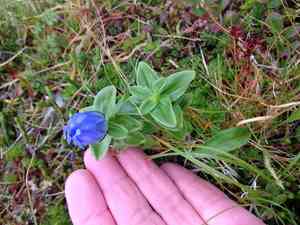
For Gentiana macrophylla, the most favorable time for relocation is from early to late spring, which guarantees the plant's successful integration. Choose a spot with partial shade and soil that is both well-draining and damp. Refrain from moving the plant during severe climatic events.
Necessary Preparations Before Relocating Broad-petal Gentian?
Optimal Period for Moving Broad-petal Gentian?
The best time for relocating broad-petal gentian spans from early to mid-spring. During this interval, favorable temperatures and ground conditions foster strong root development and expansion. Moving broad-petal gentian in the initial to middle part of spring ensures the plant can fully benefit from the upcoming thriving season, leading to more robust and vigorous growth.
Required Spacing Between Broad-petal Gentian Specimens?
When relocating broad-petal gentian, ensure a separation of 12-18 inches (30-45 cm) between plants. This spacing will provide ample room for growth and facilitate proper air circulation, helping to prevent disease.
Ideal Soil Blend for Broad-petal Gentian Relocation?
Prepare a soil mixture that drains well and is rich in organic matter for broad-petal gentian. Incorporate compost or a balanced base fertilizer to supply essential nutrients. Aim for a soil pH level that is slightly acidic to neutral.
Recommended New Location for Your Broad-petal Gentian?
Select a site for broad-petal gentian that receives full sun to partial shade. Target approximately 6-8 hours of daily sunlight, as this will aid the plant's prosperity and encourage healthy flowering.
Equipment to Prepare Before Relocating Broad-petal Gentian?
Gardening Gloves
To safeguard your hands while handling soil and the plant.
Shovel or Spade
For excavating and preparing the new planting site.
Hand Trowel
For more precise digging and soil manipulation around the root mass.
Watering Can or Hose
To hydrate the plant before and after its relocation.
Garden Fork
To assist in lifting the rootball intact, especially when moving from a tray or container.
Wheelbarrow (Optional)
To transport the plant and soil.
Method for Extracting Broad-petal Gentian from the Ground?
Method for Extracting Broad-petal Gentian from the Ground?
From Ground: First, irrigate the broad-petal gentian plant to moisten the soil. Next, excavate a wide trench around the plant using a shovel or spade, ensuring the plant's root ball remains undisturbed. Carefully work the spade beneath the root ball to lift the plant from its original spot.From Pot: Gently water the broad-petal gentian plant to dampen the soil. Lay the container on its side and tap around it to loosen the soil. Carefully slide the plant out, supporting the root ball with your hand.From Seedling Tray: Water the broad-petal gentian plant to moisten the soil. Utilize a hand trowel or a garden fork to gently ease the seedling out, ensuring minimal disruption to the roots. Handle the plant by its leaves rather than the stem to prevent harm.
Detailed Procedure for Relocating Broad-petal Gentian
Site Preparation
Select a well-prepared spot for your broad-petal gentian, ensuring it meets the required spacing and sunlight conditions. Clear the area of any weeds or debris.
Excavating the Hole
Dig a hole that is twice as wide and as deep as the broad-petal gentian's root ball. This allows the roots to spread easily in their new environment.
Plant Positioning
Carefully place the broad-petal gentian into the hole, ensuring it sits at the same depth as it was previously growing. The top of the root ball should be level with the surrounding ground.
Backfilling
Refill the hole with the excavated soil, gently compacting it around the root ball to eliminate air pockets. Water the soil as you backfill to aid in settling.
Mulching
Apply a layer of mulch around the base of the broad-petal gentian to help retain moisture and suppress weeds. Keep the mulch a few inches away from the stem to prevent rot.
Post-Relocation Care for Broad-petal Gentian?
Watering
Maintain consistent moisture in the soil around the broad-petal gentian, avoiding sogginess, for the initial weeks after relocation to encourage strong root development.
Monitoring
Observe the broad-petal gentian closely for the first couple of months to confirm it's adapting well. Look for indicators of stress such as wilting or yellowing foliage.
Fertilizing
After a few weeks, you may apply a balanced, slow-release fertilizer to promote healthy growth. Adhere to the package instructions for correct application.
Pruning
Remove any damaged or dead leaves/stems to help the plant direct its energy towards new growth and establishment.
Resolving Common Issues During Broad-petal Gentian Relocation.
When is the best time to relocate broad-petal gentian?
Early to late spring is optimal for moving broad-petal gentian to ensure successful establishment.
How much space should I allow between broad-petal gentian plants?
Maintain 12-18 inches (30-45 cm) between each broad-petal gentian plant for ideal development.
What kind of soil is best for broad-petal gentian in a new spot?
Broad-petal gentian thrives in well-draining, slightly acidic soil with ample organic content for healthy growth.
How deep should broad-petal gentian be planted in its new location?
Plant broad-petal gentian at the same depth it was previously growing to minimize stress.
How often should I water broad-petal gentian after relocation?
Water broad-petal gentian thoroughly after moving and keep the soil moist but not waterlogged.
What if broad-petal gentian shows signs of transplant shock?
Provide shade, maintain adequate moisture, and refrain from fertilizing until broad-petal gentian recovers from shock.
Can I relocate broad-petal gentian in the autumn?
Moving broad-petal gentian in fall is not advised; early to late spring is preferred.
How can I minimize root damage when relocating broad-petal gentian?
Gently loosen the root ball and handle broad-petal gentian with care to reduce root damage during relocation.
Is it necessary to fertilize broad-petal gentian immediately after relocating?
Avoid immediate fertilization after relocation; wait until broad-petal gentian is well-established.
Should broad-petal gentian be trimmed before relocation?
Prune any damaged or dead parts but avoid extensive pruning to lessen stress on broad-petal gentian.



