How to Prune Broad-petal gentian?
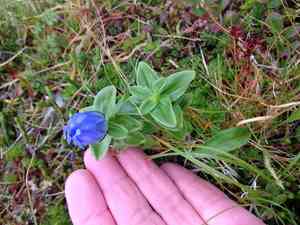
This enduring plant is recognized for its vibrant blue blossoms and flourishes in damp, elevated terrains. For broad-petal gentian, trim in late winter to early spring to eliminate lifeless or injured stalks and stimulate robust development. Concentrate on preserving its form and clearing any congested sections to boost air movement. Consistent trimming not only fosters abundant flowering but also wards off ailments by enhancing ventilation. Always employ sanitized, keen implements to avert contamination and guarantee precise incisions.
What Are the Benefits of Pruning Broad-petal Gentian?
What Are the Benefits of Pruning Broad-petal Gentian?
Trimming broad-petal gentian encourages robust development, maintains its form, boosts blooming, enhances air movement, and lowers disease risk. Regular trimming keeps broad-petal gentian healthy and visually appealing, ensuring its success in garden environments.
What Is the Best Time for Pruning Broad-petal Gentian?
What Is the Best Time for Pruning Broad-petal Gentian?
Trimming broad-petal gentian in late winter or early spring is optimal as it aligns with the plant's dormant phase. Pruning during dormancy minimizes plant stress and fosters healthy growth during the active season. Furthermore, pruning before new growth begins allows cuts to heal quickly, reducing disease risk and promoting vigorous new shoots, leading to more abundant blooms.
What Tools Do I Need to Prune Broad-petal Gentian?
Bypass Pruners
These are perfect for making clean cuts on living stems and branches, which is vital for maintaining the health of broad-petal gentian.
Floral Snips
These small, precise instruments are ideal for deadheading flowers and removing small, delicate stems of broad-petal gentian without causing harm.
Pruning Scissors
These are well-suited for trimming and shaping the finer parts of broad-petal gentian due to their precise control and sharp blades.
How to Prune Broad-petal Gentian
Gather tools
Utilize clean and sharp pruning shears to minimize plant damage and prevent the spread of diseases.
Inspect plant
Carefully examine broad-petal gentian for any diseased or withered foliage. Identifying problematic areas is essential before beginning the pruning process.
Remove diseased leaves
Cut away any diseased leaves, ensuring to cut close to the stem or branch to effectively remove the infection without harming healthy tissue.
Trim withered leaves
Remove withered leaves by cutting them off at their base. This helps to encourage new growth and improve the overall appearance of broad-petal gentian.
Clean area
Properly dispose of removed leaves away from the plant to prevent any potential spread of disease and maintain cleanliness around broad-petal gentian.
Common Pruning Mistakes with Broad-petal Gentian
Improper Technique
Using dull or unsterilized tools can harm broad-petal gentian and introduce diseases. Additionally, inaccurate cutting angles often leave stubs that can lead to fungal infections.
Over-Pruning
Excessive pruning can stress broad-petal gentian, reducing its vigor and potentially harming its flowering potential.
Incorrect Timing
Pruning at the wrong time can hinder broad-petal gentian's development and flowering cycle. Although the best season for pruning isn't discussed here, incorrect timing remains a crucial mistake.
Common Pruning Tips for Broad-petal Gentian
Use the Right Tools
Ensure your pruning shears are sharp and sterilized to make clean cuts and avoid spreading diseases.
Remove Dead or Damaged Stems
Regularly prune dead, damaged, or diseased stems to maintain healthy growth and prevent the spread of infections.
Prune Lightly
When in doubt, prune conservatively. It's better to prune less than to over-prune, especially if you're new to gardening broad-petal gentian.
Encourage Air Circulation
Space out the stems to improve air circulation. This reduces humidity around the plant, helping to prevent fungal infections.
Shape for Aesthetics and Health
Prune to shape broad-petal gentian in a way that promotes balanced growth, helping the plant maintain an appealing form and optimal health.



