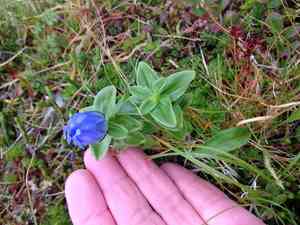
Broad-petal gentian (Gentiana platypetala)
Also known as: Brachiopod Gentian
The Japanese Iris (Iris ensata) is a perennial plant known for its striking trumpet-shaped blue flowers. Renowned for producing a vivid blue dye, this plant was also incorporated into the emblem of the Minamoto Clan during the Heian period. It thrives in moist environments, making it perfect for water or bog gardens.
In This Article
Attributes of Broad-petal gentian
Lifespan
Perennial
Plant Type
Herb
Plant Height
15-60 cm
Spread
Not applicable
Leaf Color
Green
Flower Size
2-4 cm
Flower Color
Bright blue
Images of Broad-petal gentian
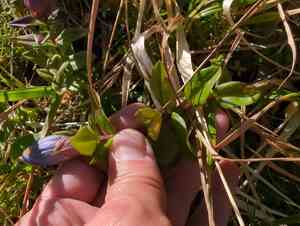
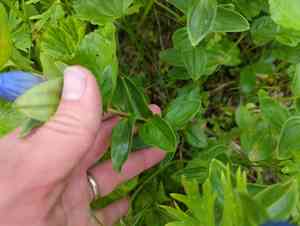
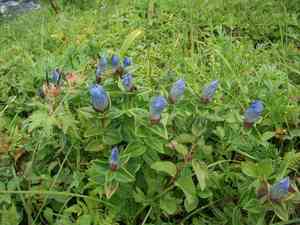
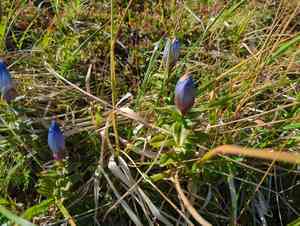
Quickly Identify Broad-petal gentian
1
This plant can be identified by its broad, flat petals and bright blue flowers. Its leaves are lance-shaped and opposite. It typically flowers from late summer to early fall.
Scientific Classification of Broad-petal gentian
Phylum
Vascular plants
Class
Dicotyledons
Order
Gentianales
Family
Gentian
Genus
Gentian
Species
Broad-petal gentian
Planting and Growing of Broad-petal gentian
Care Difficulty
Moderate
Watering Schedule
Every 4 days
Sunlight Requirements
Partial sun
Sunshine Duration
6-10 hours
Ideal Temperature
55-70℉
Soil Type
Potting Mix, Peat Mix
Soil pH
5.5-7
Fertilizer Type
Balanced
Pruning Season
Spring, Summer
Pruning Area
Branches, Leaves
Pruning Frequency
2 times a year
Repotting Season
Spring
Pot Type
Plastic, Ceramic
 How to Water Broad-petal gentian?
When watering Gentiana platypetala, aim for approximately 250 milliliters each time. The goal is to moisten the soil evenly without making it soggy. Ensure that the water penetrates to the root zone, allowing the plant to absorb moisture effectively. Always check the topsoil and water once it feels dry to the touch to maintain optimal humidity levels.
What are the symptoms of an underwatered Broad-petal gentian?
›
What should I do if my Broad-petal gentian is not getting enough water?
›
What are the symptoms of an overwatered Broad-petal gentian?
›
How to save an overwatered Broad-petal gentian?
›
 What Are the Sunlight Requirements for Broad-petal gentian?
Gentiana platypetala benefits most from partial sun settings, optimizing its energy use for robust growth and flowering. The balanced light conditions minimize stress and support healthy physiological processes.
What is the best light condition for Gentiana platypetala?
›
How can I provide the ideal lighting for Gentiana platypetala?
›
What benefits does optimal lighting provide for Gentiana platypetala?
›
 What Is the Ideal Temperature Range for Broad-petal gentian?
The ideal temperature range for Gentiana platypetala, a stunning perennial plant, is between 55°F and 70°F. In this temperature range, the plant thrives, showing vibrant growth and abundant blooming. Maintaining the temperature within this range ensures that the physiological processes of the plant, such as photosynthesis and respiration, occur optimally. This facilitates not only healthy foliage development but also enhances flower production, leading to a more aesthetically pleasing appearance.
 What Soil is Best for Broad-petal gentian?
Gentiana platypetala thrives in soil with good drainage, which prevents root rot and ensures healthy growth. Well-drained soil allows excess water to escape, preventing the roots from sitting in water. This reduces the risk of fungal diseases that can harm the plant. This plant requires soil that retains moisture while not being waterlogged. The ability to hold moisture ensures that the roots have constant access to water, supporting consistent growth and vibrant blooms, particularly in its flowering phase. Soil rich in organic matter is crucial for Gentiana platypetala, providing essential nutrients that sustain the plant's health and promote robust flower production. Organic material enhances soil structure, aiding both aeration and drainage, which are vital for plant vitality.
 How to Fertilize Broad-petal gentian?
Gentiana platypetala, like many wildflowers, benefits from a balanced approach to fertilization. Use a diluted liquid fertilizer at half the strength recommended on the label to avoid overloading the plant. For granular fertilizer, consider using about one tablespoon per square foot.
 How to Prune Broad-petal gentian?
Start by assessing the overall shape of your Gentiana platypetala. Trim back any excessively long or unruly stems to maintain a balanced appearance. Focus on cutting just above a leaf node or bud to encourage branching. Remove any flower stems after blooming to promote future flowering cycles. It is best to prune in early Spring before new growth begins, but it can also be done through Summer and Autumn. Avoid heavy pruning in late Autumn or Winter as it might stress the plant with new growth during cold temperatures.
More About Pruning Techniques→
 How to Propagate Broad-petal gentian plant?
1
To successfully propagate Gentiana platypetala from seeds, begin by preparing a seed bed with well-draining soil mixed with compost. This provides the necessary nutrients and drainage for optimal seed germination. Make sure the bed is level and free from weeds.
2
Select a healthy parent plant to take cuttings from. Use clean, sharp pruning shears to snip a 3-4 inch stem cutting, ideally with at least two or three leaves. Remove the bottom leaves and dip the cut end in rooting hormone to stimulate root growth.
3
For division propagation, gently dig up the parent plant and divide the root ball into smaller sections using a clean, sharp knife. Ensure each section has a portion of root and foliage. Replant these sections in prepared garden areas and water them thoroughly.
 How to Repot Broad-petal gentian plant?
1
You should consider repotting Gentiana platypetala when it shows signs of outgrowing its current container, like roots poking through the drainage holes. Additionally, if the growth seems stunted or leaves start showing yellowing signs despite proper care, it might be time to give it a fresh start in new soil.
2
Choose a pot that is 1 to 2 inches larger in diameter than the current one, with good drainage holes. The additional space allows for the roots to spread comfortably, promoting healthy growth. Opt for materials like terracotta to ensure good breathability, helpful in preventing root rot.
3
For Gentiana platypetala, a well-draining potting mix is essential. A mix designed for alpine or rock garden plants works well, as it balances moisture retention with adequate drainage. This type of soil keeps the roots from sitting in water and reduces the risk of fungal infections.
Learn More About Broad-petal gentian Diseases
Anthracnose
Bacterial Leaf Spot
Bacterial Soft Rot
Bacterial Wilt
Chemical Injury
Damping-off
Downy Mildew
Drought Stress
Fusarium Wilt
Gray Mold
Leaf Spot
Mosaic
Nutrient Deficiency
Nutrient Toxicity
Powdery Mildew
Root Rot
Root-knot Nematode
Rusts
Sooty Mold
Spider Mites
Temperature Stress
Thrips Damage
White Mold



