How to Propagate Broad-petal gentian?
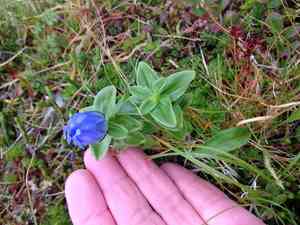
Reproducing broad-petal gentian is possible by meticulously planting its seeds. Employ a growing medium that drains effectively and sustain sufficient dampness without oversaturation. Ideal environments encompass filtered sunlight and temperate conditions. Verify that the seeds are not embedded excessively deep. Sprouting could require multiple weeks; perseverance is crucial. Consult established gardening references for precise details on substrate makeup and thermal requirements to attain superior outcomes.
Optimal Time for Broad-petal Gentian Propagation
Propagation Method
Seeding
Propagation Period
Spring
Tools for Broad-petal Gentian Propagation
Seed Starting Trays
Seed starting trays offer a controlled setting for planting seeds, providing an ideal balance of moisture and air. They simplify monitoring seedling development and help preserve soil structure while preventing root damage during transplanting.
Seedling Heat Mat
A seedling heat mat ensures consistent warmth, which is vital for broad-petal gentian seed germination. It boosts the germination rate by maintaining optimal soil temperatures, a key factor for successful propagation.
Humidity Dome
A humidity dome helps maintain a high moisture environment, crucial for broad-petal gentian seedlings to prevent dehydration. This is especially important during the initial germination phase, ensuring seedlings do not dry out.
Sterilized Potting Mix
Using a sterilized potting mix prevents the introduction of pathogens that could harm broad-petal gentian seedlings. A mix specifically designed for seed starting is typically light and well-draining, providing the ideal growing medium for healthy root development.
Spray Bottle
A spray bottle allows for gentle watering of broad-petal gentian seeds and seedlings without disturbing the soil or damaging delicate roots. It helps in maintaining consistent moisture levels necessary for seed germination and seedling growth.
Plant Labels
Plant labels help in keeping track of broad-petal gentian seedlings, ensuring organized and accurate identification throughout the propagation process. This is particularly useful when propagating multiple plant species simultaneously.
Grow Light
A grow light provides the necessary light spectrum for broad-petal gentian seedlings, especially if natural light is insufficient. Proper lighting ensures strong, healthy growth by supporting photosynthesis, leading to robust seedlings ready for transplanting.
Soil Thermometer
A soil thermometer helps in monitoring and maintaining the optimal soil temperature for broad-petal gentian seed germination. Accurate temperature control is crucial for achieving a high germination rate and healthy seedling development.
Seed Sowing Tool
A seed sowing tool aids in precise placement of broad-petal gentian seeds at the correct depth, ensuring even distribution and optimal germination conditions. It can also help avoid overcrowding, leading to healthier, stronger seedlings.
Propagating Broad-petal Gentian
Propagation Type
Simple
Caring for Newly Propagated Broad-petal Gentian
Caring for Newly Propagated Broad-petal Gentian
Post-germination, continue gentle misting to keep the soil moist but not waterlogged. Once seedlings develop their first true leaves, they can be moved to individual pots. Gradually introduce young plants to outdoor conditions before planting them in a location that mimics their natural habitat, such as a partially shaded area with well-draining soil. Regularly check for pests or disease, maintain soil moisture, and provide organic fertilizer sparingly to support growth.
Common Errors to Avoid When Propagating Broad-petal Gentian
Incorrect Soil Mix
Using a soil mix that retains too much moisture can lead to root rot and poor growth.
Overwatering
Providing too much water can suffocate the roots, causing them to rot and resulting in the death of broad-petal gentian.
Insufficient Light
Failing to provide adequate light can lead to weak, leggy growth and a low success rate in propagation.
Improper Cutting Technique
Taking cuttings incorrectly can damage the plant and reduce the chances of successful rooting.
Lack of Humidity
Not maintaining the right humidity levels can cause cuttings to dry out and fail to develop roots.
Tips For Propagating Broad-petal Gentian
Well-Draining Soil
Use a well-draining soil mix to ensure excess water can escape and prevent root rot.
Moderate Watering
Water moderately, ensuring the soil is moist but not waterlogged.
Adequate Light
Provide bright, indirect light to promote healthy growth and successful rooting.
Clean Cutting Tools
Use sterilized tools to take cuttings to minimize the risk of infection and disease.
Maintain Humidity
Keep the cuttings in a humid environment, such as a greenhouse or under a plastic cover, to encourage root development.



