How to Transplant Parry's gentian?
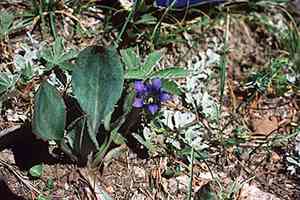
Parry's gentian flourishes optimally when relocated between early and late spring, providing prime development circumstances and reduced shock. Place in locations with partial shade and good drainage. Guaranteeing fertile and damp soil improves successful rooting.
What Preparations are Needed Before Transplanting Parry's Gentian?
What is the Ideal Time for Transplanting Parry's Gentian?
The optimal period for relocating parry's gentian is from early to late spring. This timing allows the plant to establish its root system prior to the intense summer heat. Spring transplantation offers prime growing conditions, promoting vigorous development. Furthermore, cooler temperatures and increased soil moisture aid in easier adaptation and minimize transplant shock, leading to healthier plants.
How Much Space Should You Leave Between Parry's Gentian Plants?
When relocating parry's gentian, ensure a spacing of 12-18 inches (30-45 cm) between them. This provides ample room for growth and guarantees good air circulation, which helps prevent disease. It also simplifies the process of caring for each individual plant.
What is the Best Soil Mix for Parry's Gentian Transplanting?
Prepare well-draining, slightly acidic soil for parry's gentian. You can enrich the soil with organic compost and a balanced foundational fertilizer, such as a 10-10-10 blend, to give the plants a nourishing start. The soil should be rich and loose to accommodate their roots.
Where Should You Relocate Your Parry's Gentian?
Select a site that receives full sun to partial shade for transplanting parry's gentian. Ideally, they should receive at least 4-6 hours of daily sunlight to flourish. This balance aids in promoting blooms and maintaining plant health.
What Equipments Should You Prepare Before Transplantation Parry's Gentian?
Gardening Gloves
To safeguard your hands while handling soil and plants.
Shovel or Spade
For excavating both the trench and the new planting site.
Trowel
For more precise digging tasks and managing smaller plants.
Watering Can or Hose
To moisten the soil before and after the relocation.
Pruning Shears
In case there's a need to trim any damaged roots or stems.
Mulch
To help retain moisture and inhibit weed growth around the newly transplanted specimen.
How Do You Remove Parry's Gentian from the Soil?
How Do You Remove Parry's Gentian from the Soil?
From Ground: First, hydrate the parry's gentian plant to moisten the soil. Then, excavate a wide trench around the plant using a shovel or spade to ensure the plant's root ball remains intact. Carefully work the spade beneath the root ball and lift the plant from its original spot.From Pot: Gently water the parry's gentian a few hours before transplanting. Carefully tilt the pot on its side and ease the plant out by tapping the pot’s sides and base. Avoid pulling directly on the plant to prevent root damage.From Seedling Tray: Water the seedlings in the tray before removing them. Using a trowel or your fingers, gently lift the parry's gentian seedlings from the tray, being careful to keep as much soil around the roots as possible.
Step-by-Step Guide for Transplanting Parry's Gentian
Planning and Timing
Choose a cool, overcast day or early morning/late afternoon to minimize sun-induced stress on the plant.
New Hole Preparation
Dig a hole at the new location that is twice as wide and the same depth as the parry's gentian's root ball. This allows the roots to spread out more easily.
Acclimating the Plant
If feasible, allow the parry's gentian to rest in a shaded, protected area in its original pot or container for a few hours before planting. This aids its adjustment to the new site.
Planting
Place the parry's gentian in the prepared hole, ensuring it sits at the same depth as it was in its previous location. Fill the hole with soil, gently pressing down to eliminate air pockets.
Watering Immediately
Thoroughly water the parry's gentian right after planting to help settle the soil around its roots.
How Do You Care For Parry's Gentian After Transplanting?
Watering
Keep the soil around the parry's gentian consistently moist, but not waterlogged, for the initial weeks after transplanting to help establish strong roots.
Mulching
Apply a layer of mulch around the base of the parry's gentian to help retain soil moisture and reduce weeds. Keep the mulch a few inches away from the stem to prevent rot.
Pruning
If the parry's gentian exhibits signs of transplant shock, remove any dead or wilted leaves to alleviate stress on the plant.
Monitoring
Regularly inspect the parry's gentian for indications of pests or diseases and take prompt action if any are discovered. This ensures the plant remains healthy as it establishes itself in its new location.
Troubleshooting Common Issues with Parry's Gentian Transplantation.
When is the best time to transplant parry's gentian?
Parry's gentian is best transplanted from early to late spring, or late fall to mid-winter.
How should I space parry's gentian when planting?
Parry's gentian should be spaced about 12 to 18 inches (30 to 45 cm) apart for optimal growth.
What type of soil does parry's gentian need?
Parry's gentian prefers well-drained, slightly acidic to neutral soil. Enrich with organic matter for better growth.
How much sunlight does parry's gentian require?
Parry's gentian thrives in full to partial sunlight. Ensure it gets at least 4-6 hours of light daily.
What should I do if parry's gentian's leaves turn yellow after transplanting?
Yellow leaves can indicate over-watering or poor drainage. Improve soil drainage and reduce watering frequency.
How often should parry's gentian be watered after transplanting?
Water parry's gentian moderately, keeping the soil consistently moist but not waterlogged, especially in the first few weeks.
Why are parry's gentian seedlings wilting after transplanting?
Wilting may be due to transplant shock. Gradually acclimate seedlings and ensure they are well-watered but not soggy.
Can I fertilize parry's gentian immediately after transplanting?
Wait a few weeks post-transplant before fertilizing parry's gentian to avoid burning the sensitive roots.
What should the soil pH level be for parry's gentian?
Parry's gentian thrives in soil with a pH between 6.0 and 7.0. Test soil and adjust if needed.
Do I need to mulch around parry's gentian after transplanting?
Yes, mulch around parry's gentian with organic material to retain moisture, regulate soil temperature, and prevent weeds.



