How to Propagate Parry's gentian?
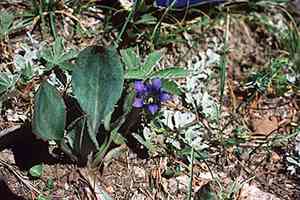
Reproducing parry's gentian entails employing seeds, which ought to be planted in soil that drains effectively. To improve sprouting, cold-stratify the seeds by chilling them for multiple weeks prior to sowing. Following stratification, sustain steady moisture until germination takes place. Young plants thrive in dappled light and with measured irrigation. Guarantee adequate separation to avert congestion and foster robust development.
When Is the Optimal Time to Propagate Parry's Gentian?
Propagation Method
Seeding
Propagation Period
Spring
What Equipment Is Utilized in Parry's Gentian Propagation?
Seed Trays
Seed trays offer a regulated setting for planting parry's gentian seeds. They guarantee each seed receives ample room and nutrients for successful sprouting. The trays should contain soil that drains well to avoid waterlogging.
Sterile Potting Mix
Employing a sterile potting mix aids in preventing soil-borne illnesses that could harm delicate parry's gentian seedlings. This mixture should drain effectively yet retain moisture to support seed germination.
Humidity Domes
Humidity domes maintain a high moisture environment vital for parry's gentian germination. These domes assist in retaining moisture and creating a miniature greenhouse effect, which enhances germination rates.
Seedling Heat Mat
A seedling heat mat provides consistent warm temperatures, crucial for parry's gentian seed germination. The heat mat ensures the soil stays warm, promoting quicker and more uniform sprouting.
Mister or Spray Bottle
A mister or spray bottle allows for gentle irrigation of parry's gentian seedlings, ensuring seeds and young plants are not dislodged or harmed. This tool is especially useful for maintaining the delicate moisture balance required for successful germination.
Plant Labels
Plant labels help track the parry's gentian seeds being propagated. This is particularly useful when sowing multiple varieties or species, preventing mix-ups and ensuring correct identification throughout the growth process.
Fine Mesh Sieve
A fine mesh sieve is used to lightly cover seeds with soil after sowing, ensuring parry's gentian seeds are not buried too deeply. This is important for their successful germination, as many small seeds require light to germinate.
Watering Tray
A watering tray enables bottom watering, which helps avoid disturbing the surface where parry's gentian seeds are sown. This method also ensures even moisture distribution throughout the soil.
Germination Station
A germination station combines several necessary tools (seed trays, humidity domes, and heat mats) into one setup, creating an optimal environment for propagating parry's gentian. It ensures all factors such as temperature, humidity, and light are controlled.
How to Propagate Parry's Gentian?
Propagation Type
Simple
How to Nurture Your Newly Propagated Parry's Gentian?
How to Nurture Your Newly Propagated Parry's Gentian?
Post-transplant, keep the soil consistently moist but not excessively wet to prevent root rot. Apply mulch around the plants to retain moisture and suppress weeds. Fertilize with a balanced, water-soluble fertilizer every 4-6 weeks during the active growth period. Monitor for pests and diseases, and provide protection from extreme weather conditions. Regularly remove spent flowers to encourage continuous blooming and maintain the plant's vitality.
Common Errors to Avoid When Propagating Parry's Gentian
Overwatering
Excessive watering can lead to root rot, which is detrimental to successful propagation and the overall health of parry's gentian.
Insufficient Drainage
Poor drainage can cause water to accumulate around the roots, leading to fungal infections and root rot.
Inconsistent Temperature
Exposure to fluctuating temperatures can hinder seed germination or root development. Parry's gentian requires a stable environment for successful propagation.
Incorrect Soil Composition
Using the wrong soil type can impede the growth of parry's gentian. This plant needs well-draining, slightly acidic soil.
Neglecting Stratification
Failing to provide cold stratification can prevent seeds from breaking dormancy, thus hampering germination.
Improper Light Conditions
Lack of adequate light can lead to weak plant growth. Parry's gentian requires specific light conditions to thrive.
Advice For Propagating Parry's Gentian
Adequate Watering
Ensure the soil remains moist but not waterlogged to prevent root rot. Allow the top layer to dry slightly before watering again.
Good Drainage
Use well-draining soil and ensure pots have adequate drainage holes to avoid water stagnation.
Temperature Control
Maintain a consistent temperature that aligns with parry's gentian's natural habitat to encourage optimal growth and propagation.
Proper Soil Mix
Use a soil mix that is well-draining and slightly acidic to cater to parry's gentian's specific needs.
Cold Stratification
Provide a period of cold stratification to simulate winter conditions and improve seed germination rates.
Adequate Light
Place parry's gentian where it can receive sufficient but not excessive light, mimicking its natural growing conditions.



