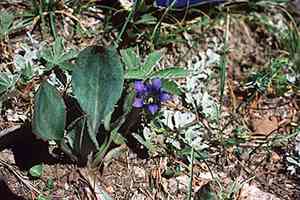
Parry's gentian (Gentiana parryi)
Also known as: Parry's Gentian
Parry's gentian is a perennial found at high elevations, notable for its vivid blue, trumpet-shaped flowers that appear in late summer. This resilient plant features slender, lance-like green leaves and typically inhabits moist, alpine meadows and open woodlands. The tubular flowers, characterized by their deep blue hue and occasional interior streaks, are particularly attractive to pollinators, including hummingbirds. These unique floral traits help set Parry's gentian apart from other wildflowers.
In This Article
Attributes of Parry's gentian
Lifespan
Perennial
Plant Type
Herb
Plant Height
30 cm to 91 cm
Spread
N/A
Leaf Color
Green
Flower Size
2-4 cm
Flower Color
Blue
Images of Parry's gentian
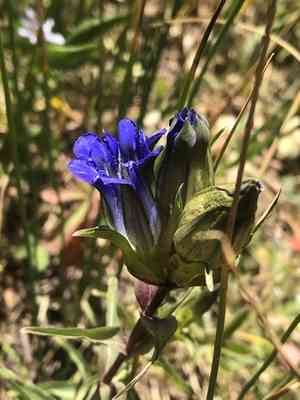
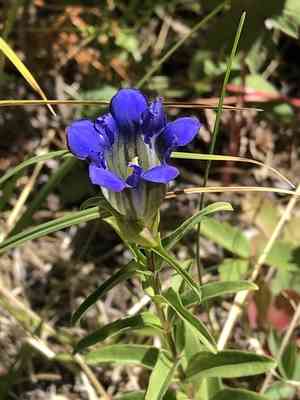
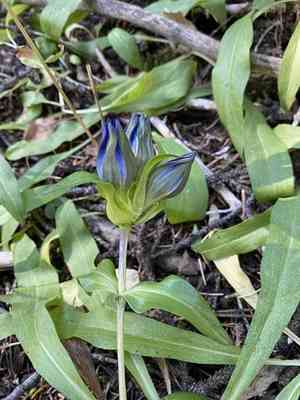
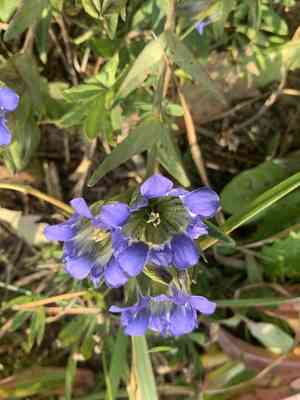
Quickly Identify Parry's gentian
1
Look for its striking blue trumpet-shaped flowers and opposite leaves. The plant typically grows low to the ground and often forms mats.
Scientific Classification of Parry's gentian
Phylum
Vascular plants
Class
Dicotyledons
Order
Gentianales
Family
Gentian
Genus
Gentian
Species
Parry's gentian
Planting and Growing of Parry's gentian
Care Difficulty
Hard
Watering Schedule
Every 3 days
Sunlight Requirements
Full sun
Sunshine Duration
6-12 hours
Ideal Temperature
60-70℉
Soil Type
Potting Mix, Peat Mix
Soil pH
6.5-7.5
Fertilizer Type
Balanced
Pruning Season
Spring, Summer
Pruning Area
Branches, Leaves
Pruning Frequency
2 times a year
Repotting Season
Spring
Pot Type
Plastic, Ceramic
 How to Water Parry's gentian?
When watering Gentiana parryi, ensure that you provide around 200ml each time. This quantity allows the soil to become moist without becoming waterlogged, offering the roots enough moisture while preventing root rot. Always check that the soil surface is dry before the next watering session.
What are the symptoms of an underwatered Parry's gentian?
›
What should I do if my Parry's gentian is not getting enough water?
›
What are the symptoms of an overwatered Parry's gentian?
›
How to save an overwatered Parry's gentian?
›
 What Are the Sunlight Requirements for Parry's gentian?
Gentiana parryi performs best in full to partial sun conditions. Ideal light exposure allows the plant to maximize its photosynthesis, resulting in robust growth and an extended, vibrant blooming period.
What amount of sunlight is ideal?
›
How to ensure optimal sunlight exposure?
›
What benefits does ideal sunlight provide?
›
 What Is the Ideal Temperature Range for Parry's gentian?
The ideal temperature range for Gentiana parryi cultivation is between 60°F and 70°F. Within this range, the plant can perform optimally, with sufficient metabolic activity promoting healthy growth and flowering. Maintaining this temperature helps ensure the natural processes such as photosynthesis and transpiration are uninterrupted, contributing to vibrant foliage and robust development.
 What Soil is Best for Parry's gentian?
Gentiana parryi thrives in well-draining soil which prevents water from stagnating around the roots, reducing the risk of rot and promoting healthy root growth. Good drainage is vital to ensuring robust growth and vibrant blooms. This plant benefits from soils rich in organic matter, providing essential nutrients needed for its growth cycle. A nutrient-dense soil lays a strong foundation for a plant with high vitality, contributing to its intricate blue flowers. While well-draining is key, the soil should still retain some moisture to keep the root system hydrated, especially during dry spells. Balance in moisture levels ensures the plant remains lush and avoids stress or dehydration.
 How to Fertilize Parry's gentian?
For Gentiana parryi, use a balanced fertilizer and apply it lightly, as this plant thrives in nutrient-poor environments. Too much can harm it, so a quarter of the recommended dose for general plants should suffice.
 How to Prune Parry's gentian?
Begin by sterilizing your pruning shears to prevent any disease transfer. Identify any dead or diseased stems first and carefully cut them back to a healthy set of leaves or down to the base of the plant. Focus on removing any stems that cross or rub against each other, which can cause damage over time. Ensure that the cuts are clean and angled to facilitate quicker healing. After the initial prune, step back and shape the plant, trimming for balanced symmetry.
More About Pruning Techniques→
 How to Propagate Parry's gentian plant?
1
Collect seeds from mature Gentiana parryi plants in late summer or early autumn. Allow them to dry completely before storage. Stratify seeds by placing them in the refrigerator for a few weeks before planting to enhance germination rates.
2
Fill a seed tray with a sterilized seed-starting mix. Sow the seeds on the surface and lightly cover them with the medium. Mist the surface to ensure even moisture, and place the tray in a location with indirect sunlight.
3
In early spring, carefully dig out the plant and use a trowel to separate the root clumps. Replant the divided sections promptly at the same depth as they were originally growing, and water them thoroughly.
 How to Repot Parry's gentian plant?
1
Gentiana parryi needs repotting when its roots outgrow their container or its growth slows down. Signs include roots emerging through drainage holes and compact, poor-draining soil. Spring, as growth resumes, is optimal as the plant can establish in new soil and a roomier pot.
2
Select a pot that's only slightly larger than the current one, with adequate drainage holes. A pot that’s too large retains excess moisture, risking root rot. Clay pots work well since they allow the soil to breathe, maintaining the airy environment Gentiana parryi thrives in.
3
Gentiana parryi prefers well-draining, acidic soil, mimicking its natural alpine meadows. An ideal mix would be equal parts peat, perlite, and potting soil. This composition prevents root rot by ensuring adequate drainage and retains essential nutrients for healthy growth.
Learn More About Parry's gentian Diseases
Anthracnose
Bacterial Leaf Spot
Bacterial Soft Rot
Bacterial Wilt
Crown Gall
Cyst Nematode
Damping-off
Downy Mildew
Drought Stress
Fusarium Wilt
Gray Mold
Leaf Spot
Mosaic
Nutrient Deficiency
Nutrient Toxicity
Powdery Mildew
Root Rot
Root-knot Nematode
Rusts
Sooty Mold
Spider Mites
Temperature Stress
Thrips Damage
White Mold



