How to Prune Parry's gentian?
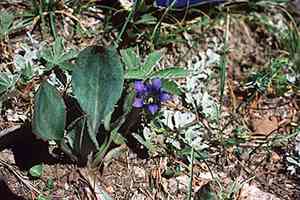
Parry's gentian, a notable perennial recognized for its vivid blue blossoms, thrives with deliberate trimming to foster robust development and blooming. The most effective periods for pruning are in early spring and late winter, focusing on lifeless or injured stalks. Eliminate faded flowers to stimulate additional blooms and trim back overgrown sections to preserve its form. Consistent pruning improves air movement, lowering the chance of illness, and aids Parry's gentian in flourishing with vitality and appeal. Pruning additionally stops elongation, guaranteeing a dense and pleasing look.
Advantages of Trimming Parry's Gentian
Advantages of Trimming Parry's Gentian
Parry's gentian thrives with trimming, promoting vigorous development and shape retention. Pruning aids in fostering robust growth, managing plant dimensions, enhancing overall look, and fending off pests and illnesses.
Optimal Period for Pruning Parry's Gentian
Optimal Period for Pruning Parry's Gentian
Trimming or cutting back parry's gentian during early spring or late winter enables the plant to direct its energy towards strong new growth as its active season begins. These times precede parry's gentian's blooming, lessening the chance of harming developing buds. Furthermore, pruning during dormancy in late winter helps reduce stress and potential cold weather damage, while early spring pruning aligns well with the start of its growth cycle, ensuring a healthier and more robust plant.
Necessary Tools for Pruning Parry's Gentian
Hand Pruners
Perfect for accurate cutting and trimming of small stems and spent blossoms. Their compact size allows for precise snipping without harming nearby growth.
Scissors
Useful for delicate stems and soft, leafy material, offering control and precision.
Bypass Pruners
Effective for cutting live stems, providing clean cuts that encourage quicker healing and lessen plant stress.
Snips
Especially good for deadheading and trimming small, intricate parts of the plant. Their fine tips enable detailed work.
How to Prune Parry's Gentian
Disease inspection
Examine parry's gentian for any diseased leaves. These leaves might display signs such as discoloration, spots, or mold.
Tool preparation
Sanitize your pruning tools with a solution of one part bleach to nine parts water to prevent disease transmission.
Diseased removal
Carefully cut away any diseased leaves, making clean cuts at the base of the leaf stalks to prevent further infection and encourage healthy growth.
Withered removal
Remove any withered leaves by cutting them off at the base. This helps maintain the plant's appearance and redirects energy to healthier parts.
Disposal
Dispose of all removed leaves in a sealed bag and discard them away from your garden to avoid spreading disease.
Common Pruning Errors with Parry's Gentian
Over-pruning
Cutting back too much at once can stress parry's gentian and hinder its development. It's crucial to prune sparingly to avoid harming the plant.
Incorrect tool usage
Using dull or unsuitable tools can result in jagged cuts, making parry's gentian more vulnerable to disease and pests. Always use sharp, clean pruning shears.
Improper cuts
Making random or uneven cuts can damage parry's gentian's structure and health. Incorrect cutting angles can also promote water accumulation and rot.
Neglecting hygiene
Not sterilizing tools before pruning can spread diseases between plants. Ensuring tools are clean minimizes this risk.
Random timing
Pruning without considering the plant's growth cycle can lead to poor flowering or growth. Understanding the right timing is essential, although it is not specified here.
General Pruning Advice for Parry's Gentian
Prune sparingly
For parry's gentian, less is more. Focus on removing damaged or dead stems and leaves. This encourages healthier growth and reduces stress on the plant.
Use sharp, sterilized tools
Always use clean, sharp tools to make precise cuts. This helps maintain the plant's health and prevents the spread of disease.
Cut at an angle
Make cuts at a 45-degree angle close to a bud or leaf node. This promotes healing and reduces the risk of water pooling, which can lead to rot.
Regular maintenance
Include pruning as part of regular maintenance. Remove faded flowers and any damaged foliage to encourage new growth and maintain the plant's aesthetic appeal.
Observe the plant
Pay attention to how parry's gentian responds to pruning. Adjust techniques if necessary to ensure you are not stressing the plant. This observational skill will improve with experience.



