How to Transplant Bottle gentian?
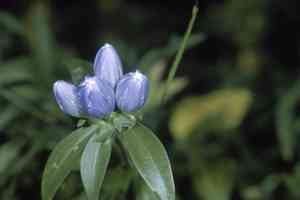
For bottle gentian, the peak of early to mid-summer offers a perfect time for relocating, enhancing root development. Place in areas with partial shade and damp earth. When separating, confirm that every segment possesses roots and new growth for optimal results.
Essential Preparations Before Relocating Bottle Gentian
Optimal Period for Transplanting Bottle Gentian?
The best time to move bottle gentian is during the initial to middle part of summer. This timing ensures the plant establishes itself prior to colder periods. Shifting bottle gentian in these warmer months facilitates robust root development, leveraging the peak growing season. An early to mid-summer transplant guarantees your bottle gentian receives ample warmth and daylight, boosting its growth and resilience. Utilizing this ideal transplanting window ensures bottle gentian will flourish with vigor and elegance in its new spot.
Required Spacing Between Bottle Gentian Plants?
Initially, ensure each bottle gentian plant has sufficient room. Aim for a separation of approximately 1-1.5 feet (30-45 cm) between individual plants. This provides adequate space for root establishment and expansion.
Best Soil Mixture for Bottle Gentian Relocation?
Prepare your soil by creating a loamy blend, which bottle gentian finds optimal. Combine sand, silt, and a small amount of clay to achieve this. Additionally, incorporate an all-purpose slow-release granular fertilizer into the soil before planting.
Where to Replant Your Bottle Gentian?
Select a location that receives partial sun exposure daily. Ensure it's not overly exposed as bottle gentian thrives in light shade. Remember, the correct balance of sunlight and shade is crucial for the plant's well-being.
Equipment Needed Before Transplanting Bottle Gentian?
Gardening Gloves
Essential for safeguarding your hands from sharp objects or irritants in the soil while handling the plant and its root system.
Shovel or Spade
Required for excavating the bottle gentian from its original site and preparing the new planting hole.
Garden Trowel
Perfect for carefully extracting bottle gentian if it has been grown in a container or seedling tray.
Hand Rake
Useful for leveling the ground after the bottle gentian has been replanted.
Watering Can
Crucial for hydrating the bottle gentian during and after the transplanting process.
Organic Mulch
Helps maintain soil moisture around the recently transplanted bottle gentian.
How to Extract Bottle Gentian from the Soil?
How to Extract Bottle Gentian from the Soil?
From Ground: Water the bottle gentian plant generously to soften the surrounding soil. Then, using a shovel, dig a wide circle around the plant, being careful not to harm the root ball. Gradually work the shovel beneath the root ball and gently lift the plant from the ground.From Pot: Start by watering the bottle gentian thoroughly to loosen the roots from the pot's sides. Then, place your hand on the pot's surface, with the stem between your fingers. Next, invert the pot and carefully pull it off. If the plant doesn't release easily, gently squeeze the pot to loosen the soil and try again.From Seedling Tray: Using a garden trowel, carefully dig around the bottle gentian seedling. Exercise extreme caution to avoid damaging the roots. Cup the soil and the seedling in one hand and lift it from the tray. Handle the seedling by its leaves rather than its stem to prevent injury.
Step-by-Step Guide for Relocating Bottle Gentian
Preparing the New Location
Dig a hole that is twice as wide and the same depth as the bottle gentian's root ball to ensure ample space for root expansion. Then, fill the hole with water and allow it to drain.
Positioning the Plant
Place the bottle gentian in the hole, making sure the top of the root ball is level with the surrounding soil. If the plant is too low, add some soil to the bottom and adjust.
Backfilling
Fill the hole with the original soil, gently firming it around the base of the bottle gentian. Avoid excessive compaction as it can harm the roots and impede growth.
Watering
Thoroughly water the newly planted bottle gentian until the soil is completely saturated.
Mulching
Apply a layer of organic mulch around the bottle gentian, leaving a small gap around the stem, to help retain moisture and keep the roots cool.
Post-Transplant Care for Bottle Gentian
Careful Attention
Avoid excessive handling of the bottle gentian after transplanting as it requires time for the plant to establish itself in its new environment.
Consistent Watering
Keep the soil around the bottle gentian plant moist. Avoid over-saturating the soil; instead, aim for steady moisture to aid in the plant's root establishment.
Monitoring
Observe the bottle gentian plant closely. Look for indications of water stress, such as wilting or yellowing leaves, and adjust your care accordingly.
Mulch Inspection
Regularly check your mulch and replenish if necessary to maintain soil moisture and temperature.
Addressing Common Issues with Bottle Gentian Transplantation.
What's the optimal time of year to transplant bottle gentian?
The best seasons for relocating bottle gentian are late autumn and early spring (S4-S5). It prefers cooler temperatures.
What spacing is needed when planting bottle gentian?
Maintain a distance of approximately 1-1.5 feet (30-45 cm) between each bottle gentian. This provides them sufficient room to grow and flourish.
How should the soil be prepared before planting bottle gentian?
Prepare a well-drained, loose soil enriched with organic matter. Bottle gentian thrives best in slightly acidic to neutral pH soils.
How deep should I plant bottle gentian?
Plant bottle gentian with the top of the rootball level with the soil surface. A depth of about 6-8 inches (15-20 cm) works well.
What's the ideal watering routine after transplanting bottle gentian?
Water bottle gentian thoroughly after transplanting, and continue to provide it with regular water, but avoid overwatering, as it prefers soil that is slightly moist, not soggy.
Should I use any fertilizer when transplanting bottle gentian?
Yes, use a slow-release balanced fertilizer during planting; it will supply the necessary nutrients for robust growth and flowering.
Can bottle gentian be divided during transplanting?
Yes, bottle gentian can be divided during transplantation; this will increase the number of your plants and can help maintain their health.
Does bottle gentian require any shade after transplanting?
Bottle gentian prefers partial shade to full sunlight. Post-transplant, light shade can be beneficial to protect it from any transplant shock.
What type of care is required after transplanting bottle gentian?
Ensure proper watering, feed with balanced fertilizer, and maintain spacing. Also, regularly monitor for any disease or pest infestations.
What should I do if my transplanted bottle gentian is not flowering?
If bottle gentian isn't blooming, it might not be receiving adequate sunlight. Alternatively, it could indicate inappropriate irrigation or a nutrient deficiency.



