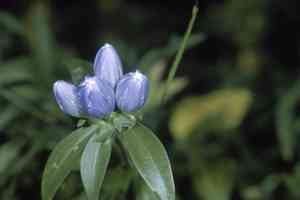
Bottle gentian (Gentiana clausa)
Also known as: Closed Gentian, Bottle Gentian, Blind Gentian
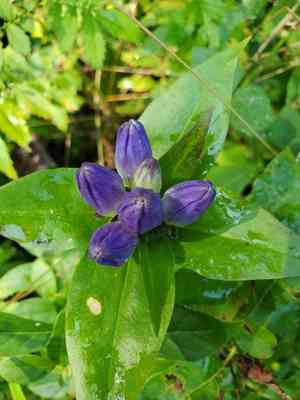
The bottle gentian features small blue flowers that stay sealed, resembling bottles. Only specific insects, particularly bumblebees, possess the strength to pry open the petals. The scientific name *Gentiana clausa* honors King Gentius, a Greek ruler from the 2nd century BCE.
In This Article
Attributes of Bottle gentian
Lifespan
Perennial
Plant Type
Herb
Plant Height
30 cm to 61 cm
Spread
45 cm
Leaf Color
Green Blue
Flower Size
2.5 cm to 4 cm
Flower Color
White Blue Purple
Images of Bottle gentian
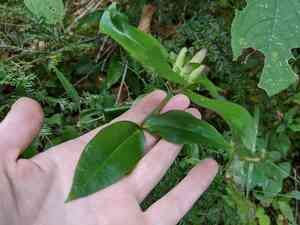
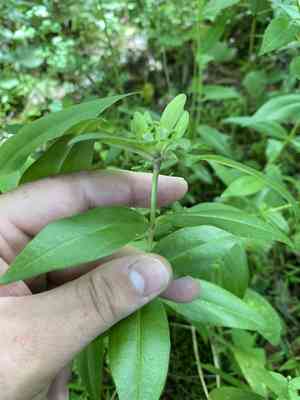
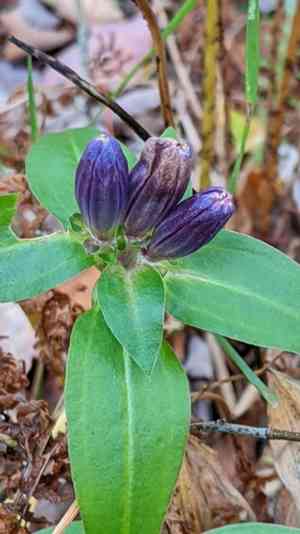
Quickly Identify Bottle gentian
1
To identify Gentiana clausa, look for clusters of tubular, closed flowers that are blue to purplish in color. The plant has lance-shaped leaves that grow in opposite pairs along the stem. The stems are unbranched and can grow up to 1-2 feet tall.
Scientific Classification of Bottle gentian
Phylum
Vascular plants
Class
Dicotyledons
Order
Gentianales
Family
Gentian
Genus
Gentian
Species
Bottle gentian
Planting and Growing of Bottle gentian
Care Difficulty
Easy
Watering Schedule
Every 3 days
Sunlight Requirements
Partial sun
Sunshine Duration
4-8 hours
Ideal Temperature
60-75℉
Soil Type
Potting Mix, Peat Mix
Soil pH
6.5-7.5
Fertilizer Type
Balanced
Pruning Season
Spring, Summer
Pruning Area
Branches, Leaves
Pruning Frequency
2 times a year
Repotting Season
Spring
Pot Type
Plastic, Ceramic
 How to Water Bottle gentian?
Gentiana clausa requires careful watering, ensuring the soil is evenly moist but not waterlogged. Use around 500 ml of water per session, enough to sufficiently moisten the soil without drowning the roots. Allow the top inch of soil to dry between waterings to maintain an optimal moisture level.
What are the symptoms of an underwatered Bottle gentian?
›
What should I do if my Bottle gentian is not getting enough water?
›
What are the symptoms of an overwatered Bottle gentian?
›
How to save an overwatered Bottle gentian?
›
 What Are the Sunlight Requirements for Bottle gentian?
Gentiana clausa ideally should be placed in partial sun to partial shade. This balance ensures robust blooming patterns and healthy foliage. The partial sun creates a healthy photosynthesis rate while preventing the stress of direct sunlight, allowing the plant to flourish steadily.
What are Gentiana clausa's light needs?
›
How to ensure Gentiana clausa gets enough light?
›
Benefits of the ideal lighting conditions for Gentiana clausa?
›
 What Is the Ideal Temperature Range for Bottle gentian?
The ideal temperature range for Gentiana clausa lies between 60-75°F. This range provides a warm but not overly hot environment, which supports optimal growth and flowering. It's essential to keep temperatures within this range to maintain the plant's physiological processes and prevent stress.
 What Soil is Best for Bottle gentian?
Gentiana clausa thrives in well-drained soil to prevent root rot. This condition allows roots to access oxygen and nutrients efficiently, promoting vigorous growth and healthy blooms. This plant benefits from soil that retains moisture yet drains excess water. Consistently moist soil supports the plant's lush foliage and vibrant flowers, making for a striking garden presence. Gentiana clausa prefers nutrient-rich soil, which supplies essential minerals that enhance growth and flowering. Using organic matter like compost improves soil fertility, boosting plant health.
 How to Fertilize Bottle gentian?
For Gentiana clausa, use half the recommended dose of a balanced liquid fertilizer. This plant is sensitive to over-fertilization, so it's better to err on the side of caution. Always dilute the liquid fertilizer to avoid root burn and ensure even coverage around the base of the plant.
 How to Prune Bottle gentian?
Begin by removing any dead or damaged stems. Gently inspect the plant and use your shears to snip off these parts at the base. This step prevents the spread of decay and provides more room for new growth. Trim back the outer stems to maintain the desired shape of your Gentiana clausa. This helps prevent leggy growth and encourages a fuller, bushier appearance, promoting a more aesthetically pleasing plant structure.
More About Pruning Techniques→
 How to Propagate Bottle gentian plant?
1
Collect seeds and sow them in a seed tray filled with a seed-starting mix. Cover them lightly with soil, water gently, and maintain a constant temperature to encourage germination.
2
Carefully dig up the parent clump in early spring. Use a sharp knife to split the clump into smaller sections, ensuring that each division has roots attached, facilitating independent growth.
3
Select healthy roots from a mature plant in spring. Cut the roots into 2-inch segments and place them horizontally in a pot with moist soil, ensuring the cuttings remain covered and moist.
 How to Repot Bottle gentian plant?
1
Gentiana clausa shows signs such as roots growing out of drainage holes, reduced flowering, and compacted soil when it's time for repotting. These signs indicate the plant needs a roomier environment or fresh nutrients to thrive.
2
Select a pot that is slightly larger than the current one, with good drainage holes. This allows for root expansion and prevents waterlogging, which is essential for maintaining plant health and avoiding root rot.
3
Opt for a well-draining sandy loam soil rich in organic matter. This provides adequate drainage and nutrients, facilitating healthy root growth and preventing water stagnation, which can be detrimental to Gentiana clausa.
Learn More About Bottle gentian Diseases
Anthracnose
Bacterial Leaf Spot
Bacterial Soft Rot
Bacterial Wilt
Black Spot
Chemical Injury
Crown Gall
Cyst Nematode
Damping-off
Downy Mildew
Drought Stress
Fusarium Wilt
Gray Mold
Leaf Spot
Mosaic
Nutrient Deficiency
Nutrient Toxicity
Powdery Mildew
Root Rot
Root-knot Nematode
Rusts
Sooty Mold
Spider Mites
Temperature Stress
Thrips Damage
White Mold



