How to Propagate Bottle gentian?
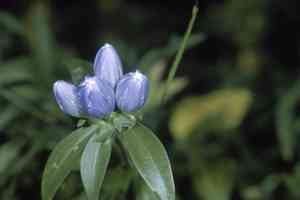
Bottle gentian flourishes when reproduced via cuttings. For successful root formation, select a robust, non-blooming shoot and embed it in porous soil. Ensure continuous dampness and apply a rooting stimulant to boost root growth. Offering filtered light can shield the cuttings from intense sun, fostering an optimal setting for development.
Optimal Period for Bottle Gentian Propagation
Propagation Method
Cutting
Propagation Period
Spring,Summer
Tools for Bottle Gentian Propagation
Sharp Pruning Shears
Essential for taking stem cuttings, sharp pruning shears ensure a clean cut, minimizing damage to bottle gentian plant tissues. Clean cuts help prevent infection and improve rooting success.
Rooting Hormone
Applied to cutting bases, rooting hormone stimulates faster root development and increases the likelihood of successful bottle gentian propagation. This product is vital for enhancing the rooting process, especially for difficult-to-root species.
Sterile Potting Mix
A high-quality, sterile potting mix offers necessary support and aeration for bottle gentian cuttings. Using a sterile mix helps prevent pathogen introduction that could harm cuttings before rooting.
Humidity Dome or Plastic Wrap
Maintains high humidity around bottle gentian cuttings, crucial for preventing moisture loss during root establishment. A humidity dome or plastic wrap also creates a greenhouse effect, promoting quicker rooting.
Propagating Bottle Gentian
Propagation Difficulty
Easy
Post-Propagation Care for Bottle Gentian
Post-Propagation Care for Bottle Gentian
Once bottle gentian cuttings have rooted, gradually acclimate them by removing the humidity cover over a week. Transplant them into individual pots with a well-draining soil mix, ideal for bottle gentian. Maintain consistent moisture, avoiding waterlogging. Bottle gentian thrives in partial shade, so protect from intense midday sun. Regular feeding with a balanced, liquid fertilizer during the growing season will support robust growth. Avoid overcrowding as good air circulation is essential for preventing disease.
Common Propagation Errors for Bottle Gentian
Overwatering
Overwatering is a critical error when propagating bottle gentian. This species prefers moist but well-drained soil. Excessive water can lead to root rot, significantly hindering the plant's ability to establish and thrive.
Deep Planting
Planting bottle gentian too deeply can impede its growth. This species prefers its crown slightly above soil level. When planted too deeply, the crown may rot, hindering proper growth and potentially killing the plant.
Using Poorly Draining Soil
Using a soil mix that drains poorly can be detrimental for bottle gentian propagation. Poor drainage can lead to waterlogged conditions, which are unfavorable for bottle gentian and can cause fungal diseases and root decay.
Tips for Propagating Bottle Gentian
Utilize Root Cuttings
Root cuttings are an effective method for propagating bottle gentian. Carefully taken root cuttings can help maintain the plant's genetic fidelity. This method also encourages a higher success rate than seed propagation for this particular species.
Maintain Appropriate Soil pH
Ensuring the soil pH is suitable is paramount for successful bottle gentian propagation. This plant thrives in slightly acidic to neutral soil. Testing and adjusting soil pH can lead to healthier growth and better establishment.
Provide Adequate Light
While bottle gentian thrives in partial shade, it's important that light is adequate but not direct. Too much shade can lead to sparse, weak growth, while too much direct sunlight can stress the plant. Filtered or dappled sunlight is ideal.



