How to Prune Bottle gentian?
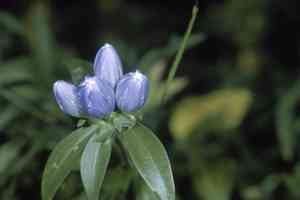
Bottle gentian, recognized for its vibrant blue blossoms, needs only light trimming primarily for structural integrity and well-being. This maintenance should occur in the spring, following the final frost, to eliminate any deceased or compromised stalks and to stimulate fresh development. Sporadic removal of spent flowers throughout the summer months can foster additional flowering. Once the blooming period concludes in autumn, withered stems may be severed at their base. Consistent pruning guarantees robust development and deters excessive growth, which is perfect for preserving the plant's dense form.
What Are the Benefits of Pruning Bottle Gentian?
What Are the Benefits of Pruning Bottle Gentian?
Trimming bottle gentian encourages robust development and helps maintain its dense form. This action promotes new shoots, leading to a fuller and more attractive look.
What Is the Best Time for Pruning Bottle Gentian?
What Is the Best Time for Pruning Bottle Gentian?
Pruning bottle gentian in Spring revitalizes it by removing dead or damaged parts, stimulating new growth just before its main growing period. In Summer, light trimming helps keep its shape and manages any unruly or excessive growth, directing energy towards healthy flowers and leaves. Fall pruning is useful as it prepares bottle gentian for winter dormancy by taking off spent blooms and lowering the plant's energy use during colder months.
What Tools Do I Need to Prune Bottle Gentian?
Hand Pruners
Perfect for making clean cuts on bottle gentian's stems without harming the delicate plant structure. Hand pruners are vital for removing dead or diseased sections to encourage healthy growth and preserve the plant's form.
Gardening Scissors
These are recommended for the delicate task of snipping flowers or thin, fragile stems of bottle gentian. Gardening scissors offer greater control and cause less damage to the plant compared to larger pruners.
Fine-toothed Pruning Saw
This tool should be used for bottle gentian when dealing with thicker, woody stems that hand pruners cannot effectively cut. It ensures clean cuts that promote rapid healing.
How to Prune Bottle Gentian
Identify
Locate any diseased or withered leaves along with any dead or diseased branches on bottle gentian. This step is essential for maintaining the plant's health and appearance.
Sanitize
Before beginning the pruning process, disinfect your pruning tools with isopropyl alcohol or a 10% bleach solution to prevent disease spread.
Trim leaves
Carefully remove the diseased and withered leaves from bottle gentian. Make cuts close to the stem, being careful not to harm healthy tissue.
Trim branches
Remove dead and diseased branches by making clean cuts where they meet healthy wood. Aim to prune back to a lateral branch or a main stem, ensuring clean, angled cuts that allow water to run off and reduce disease risk.
Cleanup
Once pruning is finished, clear away all removed debris from around bottle gentian. Dispose of diseased material properly to prevent further contamination.
Common Pruning Mistakes with Bottle Gentian
Overpruning
Excessively removing stems or foliage from bottle gentian can significantly reduce its ability to photosynthesize, leading to weakened growth and diminished vitality.
Pruning during active growth
Cutting back bottle gentian while it is actively growing can disrupt its natural growth cycle and potentially lessen its flowering.
Improper cutting techniques
Using dull or unsanitized cutting tools can harm the plant tissues of bottle gentian, making them vulnerable to diseases.
Neglecting plant shape
Failing to consider the natural shape of bottle gentian during pruning can result in an unbalanced and aesthetically unappealing look.
Common Pruning Tips for Bottle Gentian
Sanitized tools
Always use sharp, clean pruning shears to make precise cuts. This helps prevent disease spread and ensures clean cuts that heal quickly.
Minimal pruning
Since bottle gentian is naturally compact and doesn't overgrow rapidly, minimal pruning is needed. Focus on removing dead or damaged stems to maintain plant health.
Consider the natural shape
When pruning bottle gentian, aim to preserve its natural form. Lightly shaping the plant rather than cutting back aggressively will promote a healthier and more attractive plant.
Post-flowering pruning
After bottle gentian has finished blooming, prune lightly to remove spent flowers. This helps maintain the plant's appearance and health without interfering with its growth cycle.



