How to Transplant Rainier Pleated Gentian?
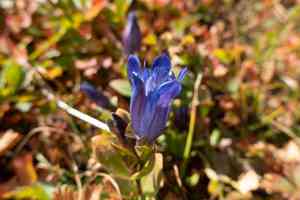
Transplanting rainier Pleated Gentian flourishes when performed after the winter chill subsides, reflecting spring's mild arrival. Choose a location with filtered sunlight, protected from strong gusts. A touch of support aids their establishment in the new plot effortlessly.
What Preparations are Needed Before Transplanting Rainier Pleated Gentian?
What is the Ideal Time for Transplanting Rainier Pleated Gentian?
The best time to move rainier Pleated Gentian is as winter ends, typically from late March through April. This period aligns with their recovery and growth phase. Moving rainier Pleated Gentian during this season utilizes spring's natural energy, encouraging stronger root growth and better adaptation. This ensures a smooth transition, with the revitalized earth and milder weather offering a supportive environment for rainier Pleated Gentian to flourish after transplant.
How Much Space Should You Leave Between Rainier Pleated Gentian Plants?
Hello there! Start by finding a spacious location for your rainier Pleated Gentian, aiming to provide each plant with about 12-18 inches (30-46 cm) of distance from its neighbors. This will ensure they have ample room to grow and display their beauty.
What is the Best Soil Mix for Rainier Pleated Gentian Transplanting?
To create a comfortable home for your rainier Pleated Gentian, seek out soil that drains well. Incorporate some organic compost to give it a nutrient-rich beginning. A light application of a balanced, slow-release fertilizer will ensure your rainier Pleated Gentian gets the best start in its new spot.
Where Should You Relocate Your Rainier Pleated Gentian?
Your rainier Pleated Gentian enjoys sunlight but also appreciates some shade. Select a location that receives partial sun, ideally getting gentle morning rays and protection from intense afternoon heat. This will create an ideal balance for your rainier Pleated Gentian to thrive.
What Equipments Should You Prepare Before Transplantation Rainier Pleated Gentian?
Gardening Gloves
To safeguard your hands while handling soil and plants.
Trowel or Transplanting Spade
For digging and relocating the rainier Pleated Gentian.
Watering Can or Hose
To hydrate the plant before and after its move.
Pruning Shears
To trim any dead or damaged roots and leaves.
Wheelbarrow or Garden Cart
For transporting the rainier Pleated Gentian and soil.
Soil Knife or Weeder
To assist in gently removing the plant from its current spot with minimal root damage.
Mulch
To retain moisture and safeguard the rainier Pleated Gentian after transplant.
Tape Measure
To ensure correct spacing between newly transplanted plants.
How Do You Remove Rainier Pleated Gentian from the Soil?
How Do You Remove Rainier Pleated Gentian from the Soil?
From Ground: First, moisten the rainier Pleated Gentian plant to dampen the soil. Use a trowel or transplanting spade to dig a wide circle around the plant without harming its root system. Gently rock the plant to loosen the soil and lift it with the root ball intact.From Pot: Water the rainier Pleated Gentian to ensure the root ball stays together. Tilt the pot sideways, and gently tap the rim to help release the plant. Support the plant's base with one hand, and use the other to pull the pot away from the root ball.From Seedling Tray: Lightly water the seedlings. Use a soil knife or spoon to loosen the soil around the seedling. Carefully lift the rainier Pleated Gentian from the tray, making sure to keep as much of the root system and surrounding soil intact as possible.
Step-by-Step Guide for Transplanting Rainier Pleated Gentian
Timing
Choose a cool or cloudy day to transplant the rainier Pleated Gentian to lessen stress on the plants and help maintain soil moisture during the process.
Hole Preparation
Dig a hole in the ground that is twice as wide as the root ball and of equal depth.
Root Pruning
Inspect the root system of the rainier Pleated Gentian and use pruning shears to remove any dead or excessively long roots.
Plant Placement
Position the rainier Pleated Gentian in the center of the hole. The top of the root ball should be level with the surrounding soil surface.
Soil Refill
Carefully backfill the hole with soil, gently firming it down around the root ball to secure the plant and eliminate air pockets.
Watering
Water the rainier Pleated Gentian thoroughly to settle the soil and hydrate the roots.
Mulching
Apply a layer of mulch around the base of the rainier Pleated Gentian to conserve moisture and regulate soil temperature.
How Do You Care For Rainier Pleated Gentian After Transplanting?
Watering
Keep the soil around the rainier Pleated Gentian consistently moist, but not waterlogged, for the initial weeks after transplanting to aid in establishing strong roots.
Support
If the rainier Pleated Gentian appears unstable, use garden stakes or supports to prop it up until it develops a stronger root system.
Pruning
Trim away any damaged or withered leaves and stems to help the plant direct its energy towards establishing new growth.
Monitoring
Keep an eye on the rainier Pleated Gentian for signs of transplant stress, such as wilting or discolored leaves, and adjust care as needed.
Troubleshooting Common Issues with Rainier Pleated Gentian Transplantation.
When's the prime time to transplant rainier Pleated Gentian for best growth?
Optimal timings are just after the last frost, typically in early to mid-spring.
How far apart should I space rainier Pleated Gentian when transplanting?
Allow a distance of 12-18 inches (30-45 cm) between each rainier Pleated Gentian for proper growth.
What should I do if rainier Pleated Gentian wilts post-transplant?
Ensure consistent watering without oversaturating the soil and provide some shade to aid its recovery.
Why are my transplanted rainier Pleated Gentian showing leaf discoloration?
Leaf discoloration may indicate stress; check for appropriate soil moisture levels and avoid direct midday sun.
How deep should I plant rainier Pleated Gentian?
Settle rainier Pleated Gentian at the same depth it grew previously. Too deep or shallow harms root development.
Are there any special soil requirements for rainier Pleated Gentian?
Prefers well-draining soil with a touch of organic matter. Avoid heavy, wet soils.
Can I transplant rainier Pleated Gentian during summer or fall?
It's possible but not ideal. Springtime transplantation is more conducive to successful establishment of rainier Pleated Gentian.
What's the best way to water rainier Pleated Gentian after transplanting?
Water deeply just after transplanting, then maintain consistent moisture, especially during the first growing season.
How do I know if the roots of rainier Pleated Gentian are healthy during transplant?
Healthy roots should be firm and white. Avoid those that are mushy or discolored.
What should I do if rainier Pleated Gentian isn't growing after transplant?
Be patient, as rainier Pleated Gentian may experience transplant shock. Continue good care and assess for appropriate sunlight, water, and soil conditions.



