How to Prune Rainier Pleated Gentian?
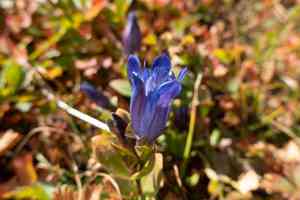
The impressive alpine perennial, rainier Pleated Gentian, flourishes with very little trimming, primarily for the removal of faded blossoms or compromised leaves. Trimming in the initial part of spring fosters robust development and flowering. Removing spent blooms after the summer flowering period can stimulate a subsequent bloom. Refrain from extensive cutting; instead, concentrate on preserving the plant's inherent mounded form. The advantages of pruning encompass enhancing air movement, discouraging infestations, and encouraging a dense growth pattern for this vivid wild bloom.
Advantages of Trimming Rainier Pleated Gentian
Advantages of Trimming Rainier Pleated Gentian
Trimming rainier Pleated Gentian promotes robust development and preserves its compact shape. By eliminating dead or overgrown stalks, gardeners encourage healthier, denser foliage and support the plant's aesthetic form.
Optimal Time for Pruning Rainier Pleated Gentian
Optimal Time for Pruning Rainier Pleated Gentian
Pruning rainier Pleated Gentian in late spring and early summer is considered ideal because this period follows the plant's dormant phase but precedes its main blooming stage. Post-dormancy is when rainier Pleated Gentian has just begun active growth, making it easier for the plant to recover from pruning cuts without significant stress. It also stimulates more vigorous growth and improved flowering. Pruning before the flowering period ensures that the plant's energy is directed towards producing strong, healthy blooms, while avoiding pruning too late which could interfere with the developing seed pods that are vital for reproduction and biodiversity. Seasonal considerations also include avoiding times when frost can damage new cuts or when overly wet conditions can increase the risk of fungal infections at pruning sites.
Essential Tools for Pruning Rainier Pleated Gentian
Sharp Bypass Pruners
Perfect for making clean cuts on rainier Pleated Gentian, bypass pruners inflict less harm to delicate stems, fostering healthier regrowth.
Pruning Snips
Rainier Pleated Gentian benefits from pruning snips for deadheading or shaping, as their precise blades allow for accurate, close cuts without damaging nearby foliage.
Gardening Gloves
Protecting hands while pruning rainier Pleated Gentian is vital; gardening gloves offer grip and prevent potential skin irritation from plant sap.
How to Prune Rainier Pleated Gentian
Sanitize
Before beginning the pruning process, ensure all cutting tools are disinfected to prevent the spread of disease to rainier Pleated Gentian.
RemoveDiseasedLeaves
Carefully inspect rainier Pleated Gentian for any indications of disease on the leaves. Gently snip off any diseased leaves using sharp, sterile scissors, making sure to avoid harming the healthy parts of the plant.
TrimWitheredLeaves
Identify any withered or dead leaves on rainier Pleated Gentian. Using your sanitized scissors, cut these leaves off at the base of the stem to encourage healthy growth and improve air circulation within the plant.
CutDiseasedStems
Examine the stems of rainier Pleated Gentian for any signs of disease. If you find diseased stems, make a clean cut well below the affected area to remove the entire compromised section. Dispose of diseased material properly to prevent reinfection.
Disinfect
After completing the pruning, re-sanitize your cutting tools. This is important to ensure that any potential pathogens from rainier Pleated Gentian do not spread to other plants in your garden.
Common Pruning Errors with Rainier Pleated Gentian
Overpruning
Cutting back rainier Pleated Gentian too severely can harm the plant and reduce flowering. Unlike some plant species that can tolerate heavy pruning, rainier Pleated Gentian should only be lightly trimmed to shape the plant and remove dead or diseased tissue.
Improper cut location
Making cuts too far from a leaf node or into the woody stem base can lead to poor regrowth and aesthetically unpleasing results. Prune just above a leaf node or branching point to encourage healthy new growth.
Using dull tools
Dull pruning tools can crush stems and create jagged cuts that are more vulnerable to disease. Sharp, clean tools ensure precise cuts and minimize damage to rainier Pleated Gentian.
Removal of healthy tissue
Unnecessarily removing healthy foliage and buds can weaken rainier Pleated Gentian. Only remove parts of the plant that are dead, diseased, or damaged to maintain its vigor.
Pruning during active growth
Pruning rainier Pleated Gentian during its active growth period can disrupt its natural growth cycle and flowering. It's essential to understand the growth cycle of rainier Pleated Gentian before pruning.
General Pruning Advice for Rainier Pleated Gentian
Sanitize tools
Always use disinfected pruning tools to prevent the spread of disease. Clean your shears with a solution such as diluted bleach or alcohol before and after pruning rainier Pleated Gentian.
Proper technique
Make angled cuts to prevent water from accumulating on the cut surface, which can lead to rot. The angle should be away from the bud to ensure that water does not sit on the developing bud.
Thin out crowded areas
Remove congested stems to increase air circulation and light penetration, which helps reduce the risk of disease and promotes even growth in rainier Pleated Gentian. Thinning should be done to maintain the plant's natural shape.
Deadheading
Remove spent flowers just below the flower head to encourage new blooms and extend the flowering period of rainier Pleated Gentian. Deadheading prevents the plant from putting energy into seed production.
Post bloom pruning
After flowering, trim back rainier Pleated Gentian to remove any straggly or overgrown stems. This helps to maintain a compact and attractive plant form and can lead to better growth the following season.



