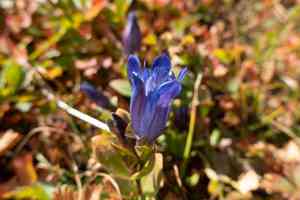
Rainier Pleated Gentian (Gentiana calycosa)
Also known as: Rainier Gentian, Mountain Gentian
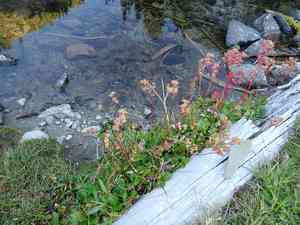
Lewisia cotyledon, featuring robust, thick leaves and slender red stems, is a flowering plant native to the western United States and Canada. It is frequently cultivated in alpine gardens.
In This Article
Attributes of Rainier Pleated Gentian
Lifespan
Perennial
Plant Type
Herb
Plant Height
20 cm to 51 cm
Spread
15 cm to 30 cm
Leaf Color
Green
Flower Size
2.5 cm to 5 cm
Flower Color
Purple Blue
Images of Rainier Pleated Gentian
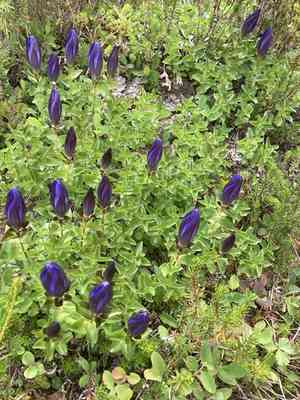
Quickly Identify Rainier Pleated Gentian
1
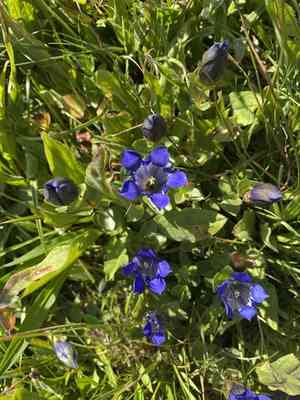
Gentiana calycosa can be identified by its deep blue to violet flowers which are trumpet-shaped and have fringed petals. The leaves are opposite, lanceolate, and tend to have a pleated appearance.
Scientific Classification of Rainier Pleated Gentian
Phylum
Vascular plants
Class
Dicotyledons
Order
Gentianales
Family
Gentian
Genus
Gentian
Species
Rainier Pleated Gentian
Planting and Growing of Rainier Pleated Gentian
Care Difficulty
Hard
Watering Schedule
Every 4 days
Sunlight Requirements
Partial sun
Sunshine Duration
4-6 hours
Ideal Temperature
50-70℉
Soil Type
Potting Mix, Peat Mix
Soil pH
6.5-7.5
Fertilizer Type
Balanced
Pruning Season
Spring, Summer
Pruning Area
Branches, Leaves
Pruning Frequency
2 times a year
Repotting Season
Spring
Pot Type
Plastic, Ceramic
 How to Water Rainier Pleated Gentian?
Gentiana calycosa thrives with about 500 milliliters of water per watering session. This species requires soil that is consistently moist but not waterlogged. The goal is to saturate the soil without leaving it excessively soaked, ensuring water reaches the deeper root systems.
What are the symptoms of an underwatered Rainier Pleated Gentian?
›
What should I do if my Rainier Pleated Gentian is not getting enough water?
›
What are the symptoms of an overwatered Rainier Pleated Gentian?
›
How to save an overwatered Rainier Pleated Gentian?
›
 What Are the Sunlight Requirements for Rainier Pleated Gentian?
Partial sun exposure is ideal for Gentiana calycosa, offering 4-6 hours of sunlight. This balance is crucial for optimal photosynthesis, promoting lush growth and vibrant blooms.
More About Sunlight Requirements Techniques→
Optimal Light Conditions Question 1
›
Optimal Light Conditions Question 2
›
Optimal Light Conditions Question 3
›
 What Is the Ideal Temperature Range for Rainier Pleated Gentian?
For optimal growth, Gentiana calycosa thrives in temperatures between 50°F and 70°F. This range allows the plant to maintain its metabolic functions efficiently, promoting healthy foliage and vibrant blooms. It resembles the conditions found in its natural alpine environments, where moderate warmth during the day supports photosynthesis, and cooler nights prevent overheating. Maintaining such temperatures can be crucial in garden settings to simulate its native habitat.
 What Soil is Best for Rainier Pleated Gentian?
Gentiana calycosa thrives in well-drained soil, which prevents root rot and ensures the roots receive enough oxygen. This is especially beneficial in preventing waterlogged conditions that can harm the plant. While drainage is essential, the soil should retain moisture to sustain the plant during dry periods. A balance of porous materials enhances this retention, aiding growth during precipitation scarcity. A nutrient-rich soil bolsters the plant's growth by providing essential nutrients necessary for robust flowering. It fosters a vibrant appearance, contributing to the plant's overall health and longevity.
 How to Fertilize Rainier Pleated Gentian?
For Gentiana calycosa, it is crucial to avoid over-fertilizing. Apply a balanced liquid fertilizer at half-strength, approximately 1 teaspoon per gallon of water, to provide a gentle nutrient boost without stressing the plant.
 How to Prune Rainier Pleated Gentian?
Begin by removing faded or spent blooms throughout the growing season to encourage more flowers and extend blooming time. This also helps the plant redirect its energy towards producing new growth rather than seed formation. To shape the plant, trim back any long, stray stems to maintain a tidy form. Cut just above a set of leaves to encourage bushier growth and more compact appearance. Inspect the plant for any signs of disease or dead wood. Remove these parts entirely by cutting back to healthy tissue or a main branch. This will help prevent the spread of disease and improve the overall health of your plant.
More About Pruning Techniques→
 How to Propagate Rainier Pleated Gentian plant?
1
Gather seeds from mature Gentiana calycosa plants in the late autumn. Ensure that seeds are fully developed and dry before storage. This helps improve germination rates when sowing.
2
Select healthy stems for cuttings propagation during early autumn. Use sharp, sterilized scissors to cut a section just below a node to facilitate root initiation.
3
Early spring is optimal for dividing plants. Carefully separate a mature plant section with roots and shoots, ensuring minimal disturbance to both for successful replanting.
 How to Repot Rainier Pleated Gentian plant?
1
Repotting should be considered when you notice the roots starting to circle the bottom of the container or coming out of the drainage holes. Another sign is when the plant's growth appears stunted and doesn't respond well to fertilizer. Autumn or early spring are optimal since the plant is not in active blooming, minimizing stress.
2
Select a pot that is one size larger than the current one, with adequate drainage holes. The material can be clay, ceramic, or plastic; however, clay and ceramic pots offer better breathability. This ensures the roots receive enough oxygen and reduces overwatering risk.
3
A well-draining, loamy soil blend is ideal, as it simulates the plant's native alpine environment. Incorporating a mix of peat moss, perlite, and sand helps improve aeration and drainage while retaining enough moisture to sustain growth between waterings.
Learn More About Rainier Pleated Gentian Diseases
Anthracnose
Bacterial Leaf Spot
Bacterial Soft Rot
Bacterial Wilt
Chemical Injury
Crown Gall
Damping-off
Downy Mildew
Drought Stress
Fusarium Wilt
Gray Mold
Leaf Spot
Mosaic
Nutrient Deficiency
Nutrient Toxicity
Powdery Mildew
Root Rot
Root-knot Nematode
Rusts
Sooty Mold
Spider Mites
Temperature Stress
Thrips Damage
White Mold



