How Much Sunlight Do Rainier Pleated Gentian Need?
1
Rainier Pleated Gentian flourishes in direct sunlight yet can endure some dappled light.
2
To achieve peak development, guarantee the plant gets a minimum of 6 hours of sun each day.
3
Inadequate light exposure may result in diminished flowering and less vigorous development.
Optimal Sunlight Requirements
Ideal Light Conditions for Rainier Pleated Gentian
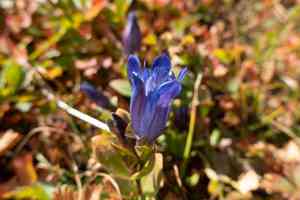
The Rainier Pleated Gentian is a lovely perennial known for its striking blue flowers. To display its full splendor, this plant flourishes best in full sun. Full sun means the plant should be exposed to direct sunlight for most of the day. This ensures the Rainier Pleated Gentian gets the energy it needs for vibrant blooms and healthy leaves. However, while full sun is ideal, the plant is quite robust and can still perform well in partial shade. This means it can tolerate some morning or late afternoon shade, but midday sun is essential for its development.
Daily Sunlight Hours Needed
For the Rainier Pleated Gentian, a daily dose of sunlight is crucial. Aim to provide at least 6 to 8 hours of direct sunlight daily. This duration allows the plant to photosynthesize efficiently, which is key to its overall health and flowering potential. If you reside in an area with shorter daylight hours, such as northern regions during winter, consider repositioning the plant to maximize light exposure.
Effects of Insufficient Sunlight
Not providing enough sunlight can have several negative impacts on your Rainier Pleated Gentian. One of the most obvious signs is a decrease in flower production. Instead of abundant, blue blooms, you might observe fewer and smaller flowers. The foliage may also become elongated and pale, as the plant stretches towards available light. Over time, inadequate sunlight can weaken the plant, making it more vulnerable to pests and diseases. To prevent this, place your plant where it can receive ample sunlight and regularly monitor its condition.
Adjusting to Different Light Levels
Adaptability to Partial Shade
While full sun is optimal, Rainier Pleated Gentian can adapt to partial shade. This flexibility makes it a versatile choice for various garden environments. If your garden has areas that only receive sunlight for part of the day, you can still enjoy this plant's beauty. Focus on spots that get sun during the morning and late afternoon, as those hours will provide sufficient light without overheating the plant. Remember, partial shade should not be confused with full shade; the latter will not support the optimal growth of this sun-loving gem.
Handling Overexposure to Sunlight
Conversely, you should be careful about overexposure, especially in extremely hot climates. Too much direct sunlight during the hottest part of the day can scorch the leaves and quickly dry out the soil. One way to manage this is by providing some afternoon shade. Use garden structures, taller plants, or even shade cloths to protect your Rainier Pleated Gentian during peak sun intensity. Additionally, mulching around the plant's base can help retain soil moisture and regulate root temperatures.
Seasonal Light Variations
Light availability changes with the seasons, and your Rainier Pleated Gentian will require adjustments accordingly. In summer, when days are longer and sun intensity is high, ensure the plant doesn't suffer from excessive heat. Conversely, in winter, position the plant to receive as much natural light as possible, perhaps by moving it to a sunnier spot if it's in a pot. Monitoring seasonal shifts and adjusting the plant's light exposure can help it thrive year-round.
Enhancing Light Conditions for Growth
Choosing the Right Spot in Your Garden
Selecting the ideal location in your garden is vital for your Rainier Pleated Gentian. Look for a spot that offers a good amount of direct sunlight, preferably in the morning and early afternoon. Avoid placing it near taller plants or structures that could cast unwanted shadows. If planting in a container, you have the flexibility to move it around to find the perfect spot. Consider seasonal changes and how shadows from trees or buildings shift throughout the year, ensuring your plant remains well-lit.
Using Artificial Light Sources
If natural sunlight is insufficient, utilizing artificial light sources can be an effective alternative. Use grow lights that mimic natural sunlight, ideally full-spectrum LED lights. Position the lights approximately 15-30 centimeters (6-12 inches) above the plant, ensuring they are on for about 14-16 hours a day when natural light is inadequate. This can be particularly beneficial during winter months or in indoor settings where natural sunlight is limited.
Pruning and Shaping for Better Light Penetration
Effective pruning and shaping can significantly improve light penetration and overall growth quality. Regularly trim any dead or overcrowded foliage to allow better air and light flow around the plant. By thinning out congested areas, you'll help your Rainier Pleated Gentian receive more uniform light distribution, promoting healthier growth and more abundant blooms.



