How to Transplant Bottle gentian?
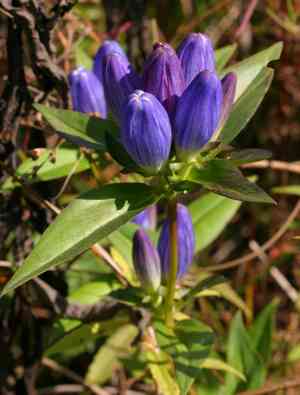
To ensure optimal initial growth, relocate bottle gentian in the mild temperatures of late spring through early summer, providing an ideal setting for root development. Select a location offering partial shade and damp, fertile ground, then gently firm the soil around the root system to promote good contact.
Essential Preparations Before Relocating Bottle Gentian
Optimal Timing for Transplanting Bottle Gentian?
The perfect time to move bottle gentian is from late spring to early summer. This period allows the plant to establish its root system in warm soil, benefiting from the season's ideal warmth and moisture. Proper root development before summer ensures a smooth transition and robust growth. This transplanting window also helps bottle gentian better withstand the upcoming summer heat, promoting resilience in your garden.
Recommended Spacing Between Bottle Gentian Plants?
An exciting preliminary step! For your bottle gentian, aim for a spacing of approximately 2-3 feet (60-90 cm) to provide ample room for development. This distance will enable your plant to flourish optimally.
Ideal Soil Mixture for Bottle Gentian Transplantation?
Ensuring rich, well-drained soil for bottle gentian is crucial! Begin by preparing the soil with a pH between 6.0 and 7.5 and incorporating a slow-release, balanced fertilizer. This will maximize your plant's potential!
Where to Replant Your Bottle Gentian?
Unsure where to position your bottle gentian? A spot receiving partial to full sunlight would be ideal. However, avoid intense midday sun; morning and afternoon light are preferable. Happy transplanting!
Equipment Needed Before Transplanting Bottle Gentian
Gardening gloves
To safeguard your hands from dirt and any sharp objects.
Shovel or Spade
For excavating the bottle gentian from its original spot and preparing the new planting site.
Garden Fork
To loosen compacted soil and improve its structure in the new location.
Watering Can
To keep the plant hydrated during and after the relocation.
Mulch
To retain soil moisture and maintain a consistent root temperature post-transplantation.
How to Extract Bottle Gentian from the Soil?
How to Extract Bottle Gentian from the Soil?
From Ground: First, thoroughly water the bottle gentian plant a day prior to moisten the soil and reduce stress. Then, using a shovel or spade, dig a circle around the plant, about 8 inches from its center. Dig down and under to preserve as much of the root system as possible. Gently lift the plant from the hole.From Pot: Water the bottle gentian plant well to ensure the roots are damp. Tilt the pot sideways and gently tap it to release the plant. If the plant is stubborn, slide a garden knife around the inside edge of the pot to loosen the soil and roots.From Seedling Tray: Water the seedlings thoroughly, then carefully remove each bottle gentian seedling by pushing up from the bottom of the tray. Avoid pulling the plant by the stem or disturbing the delicate roots.
Step-by-Step Guide for Relocating Bottle Gentian
Preparation
Select a location confirmed to be suitable for bottle gentian. Prepare the planting hole to be twice the width of the bottle gentian's root ball and as deep as its height. If the soil is dense, loosen it with a garden fork.
Planting
Position the bottle gentian plant in the hole, ensuring the top of the root ball is level with the soil surface. Backfill with soil, gently firming it around the plant's base.
Watering
Immediately after planting, water your bottle gentian plant generously to settle the soil and eliminate any air pockets.
Mulching
Apply a layer of mulch around the bottle gentian, keeping it clear of the stem. This will help conserve moisture and suppress weeds.
Post-Transplantation Care for Bottle Gentian
Pruning
After the initial transplant, trim back approximately one-third of the plant. This reduces stress as the plant adapts to its new environment.
Monitoring
Closely observe your bottle gentian plant for any signs of distress. Slight wilting and leaf yellowing are typically normal and temporary. If these persist for over a week, additional watering or shading may be necessary.
Seasonal Care
As a perennial, bottle gentian will die back in winter. Cut it to the ground after the first frost and apply a thick layer of mulch for winter protection. Remember to remove the winter mulch once the ground warms in spring.
Resolving Common Issues with Bottle Gentian Transplantation.
When is the best time to transplant bottle gentian?
The ideal period to transplant bottle gentian is during the later growth phases, specifically in seasons 3-4.
What's the ideal distance between each bottle gentian when transplanting?
The perfect spacing for bottle gentian is approximately 2-3 feet (60-90 cm) apart. This provides each plant ample room to flourish.
How can I ensure my bottle gentian thrives after transplanting?
Water thoroughly after transplanting bottle gentian and maintain consistent moisture levels afterward, but avoid waterlogging to prevent root rot.
How deep should I plant bottle gentian after transplanting?
For bottle gentian, plant them as deep as their root ball. Be careful not to bury them deeper as it might impede growth.
What type of soil does bottle gentian prefer?
Bottle gentian thrives best in well-draining soil. Incorporating compost or well-rotted manure can boost its nutrient content and encourage vibrant growth.
How do I prepare the transplanting site for bottle gentian?
Prepare the site by removing weeds and amending the soil if needed. Then, dig a hole twice as wide as the root ball of bottle gentian.
Can I transplant bottle gentian in the shade?
Bottle gentian prefers full sun to partial shade. Ensure the transplant spot receives at least 6 hours of sunlight daily for optimal growth.
What should I do if the transplanted bottle gentian wilts?
If your transplanted bottle gentian wilts, it could be due to transplant shock. Keep the soil moist and apply a root stimulator to encourage root development.
Do I need to fertilize bottle gentian after transplanting?
Yes, it's beneficial to lightly fertilize bottle gentian after transplanting. However, wait 2-3 weeks post-transplant and use a low dose of slow-release fertilizer.
What are the signs of successful bottle gentian transplanting?
Indicators of a successful bottle gentian transplant include new growth and no wilting. If it appears green and healthy, you've done an excellent job!



