How to Prune Bottle gentian?
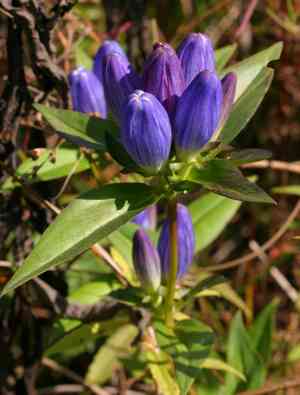
Bottle gentian, a perennial featuring vibrant blue, tightly closed blossoms, thrives in damp, adequately drained ground. Trimming is generally not required, though removing spent flowers after blooming can enhance its neatness and potentially stimulate a subsequent flowering period. Should pruning be preferred for aesthetic form or plant robustness, the ideal window is from late spring to early summer. Reducing the foliage in late autumn, following multiple frosts, contributes to the plant's overall well-being. Advantages of pruning encompass a decreased likelihood of disease and the encouragement of fresh development.
What Are the Benefits of Pruning Bottle Gentian?
What Are the Benefits of Pruning Bottle Gentian?
Trimming bottle gentian promotes more robust development, as it stimulates fresh growth. It also helps maintain its compact, dense form, ensuring the plant stays attractive and well-proportioned in the garden.
What Is the Best Time for Pruning Bottle Gentian?
What Is the Best Time for Pruning Bottle Gentian?
Late spring is optimal for pruning bottle gentian because the plant is entering a growth phase after winter dormancy, allowing bottle gentian to recover quickly. Pruning in early summer can improve plant shape and size, and may enhance flowering by removing dead or damaged stems before bottle gentian invests energy in blooms. During these seasons, bottle gentian hasn't yet reached peak flowering, which typically occurs in late summer to early fall, so pruning won't significantly impact the blossoming cycle. Moreover, trimming during this period can prevent disease and pests from affecting bottle gentian since fresh cuts heal faster in mild temperatures, reducing the risk of infection.
What Tools Do I Need to Prune Bottle Gentian?
Bypass Pruners
These are recommended for bottle gentian as they create clean cuts that heal quickly, which is crucial for maintaining plant health. They are effective for cutting through stems and small branches without causing unnecessary damage to plant tissues.
Pruning Snips
These smaller, precise tools enable delicate pruning tasks on bottle gentian, making them perfect for deadheading or removing minor, unwanted growth. The fine tip is especially useful for reaching tight spots without disturbing the rest of the plant.
Gloves
While not a cutting tool, gloves are essential for protecting the gardenerâs hands from scratches and potential sap irritation while pruning bottle gentian.
How to Prune Bottle Gentian
Sanitize
Before beginning to prune bottle gentian, disinfect your pruning shears with a solution of 1 part bleach to 9 parts water to prevent the spread of disease.
Remove Diseased Leaves
Carefully inspect bottle gentian for any diseased leaves. Use your sanitized shears to cut the leaves at their base, avoiding damage to nearby healthy foliage.
Trim Withered Leaves
Identify any withered or dead leaves on bottle gentian. Gently prune these leaves, cutting them away from the plant at their base to promote healthy growth and improve air circulation.
Eliminate Diseased Stems
Examine bottle gentian for stems that show signs of disease. Cut back the affected stems to a point of healthy tissue, ensuring clean cuts to facilitate quick healing.
Cleanup
After pruning, carefully collect and dispose of all removed plant material. Clean your tools again and wash your hands to reduce the chance of spreading any pathogens to other plants.
Common Pruning Mistakes with Bottle Gentian
Over-pruning
Removing too much foliage from bottle gentian can weaken the plant and reduce its ability to photosynthesize effectively.
Pruning for Shape
Attempting to significantly alter the natural shape of bottle gentian through pruning is unnecessary and can harm the plant's natural growth pattern.
Incorrect Cuts
Making jagged or torn cuts on bottle gentian can lead to disease and pest problems. Proper, clean cuts are important to maintain plant health.
Disregarding Health
Ignoring the removal of dead or diseased stems can leave bottle gentian vulnerable to further health issues and prevents the plant from directing energy to healthy growth.
Common Pruning Tips for Bottle Gentian
Deadheading
Remove spent blooms of bottle gentian by cutting them back to the base to encourage additional blooming and prevent self-sowing if not desired.
Selective Thinning
Thin out overcrowded areas by removing some stems at their base to increase air circulation and light penetration, which can help reduce disease risk.
Clean Tools
Use sterilized pruning shears to reduce the risk of spreading diseases between plants when pruning bottle gentian.
Conservative Cutting
When cutting back bottle gentian, do so sparingly to maintain the plant's natural appearance and vitality, making sure not to remove more than a third of the plant at once.



