How to Transplant Plain gentian?
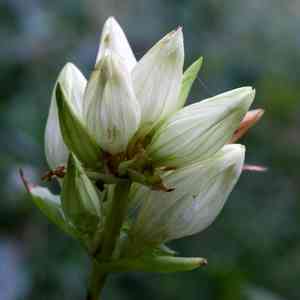
The ideal period for relocating plain gentian occurs from early to mid-spring, providing a combination of cool ground and increasing warmth conducive to strong root development. Settle plain gentian in an area receiving filtered sunlight and possessing good drainage. Careful manipulation is crucial to safeguard fragile roots.
What Preparations are Needed Before Transplanting Plain Gentian?
What is the Ideal Time for Transplanting Plain Gentian?
The optimal period for relocating plain gentian is at the onset of spring, typically early to mid-spring. This timeframe provides awakening soil and mild conditions favorable for root establishment, promoting robust growth and adaptation. Moving plain gentian during this opportune window enhances root development prior to the full intensity of summer heat, contributing to a strong and flourishing perennial display.
How Much Space Should You Leave Between Plain Gentian Plants?
When moving plain gentian, ensure ample room for growth! The recommended spacing is approximately 1-2 feet (30-60 cm) between individual plants. While this might appear generous initially, it will feel just right once your plain gentian reaches its full blooming potential!
What is the Best Soil Mix for Plain Gentian Transplanting?
For transplanting plain gentian, utilize a fertile, well-draining soil. Loosen the earth and incorporate a base fertilizer before planting. This aids in nourishing the plant and fostering quicker, healthier root development. Remember, superior soil leads to superior plain gentian growth!
Where Should You Relocate Your Plain Gentian?
For the perfect placement of your plain gentian, select a location that receives abundant sunlight. This plant thrives in bright conditions! Just ensure it's not in an area that becomes excessively hot during the midday, as this could harm the plant.
What Equipments Should You Prepare Before Transplantation Plain Gentian?
Gardening Gloves
To shield your hands from soil and potential punctures while handling the plain gentian plant and working with the earth.
Shovel or Garden Spade
To excavate a hole in the ground for relocation and to extract the plant from its original spot.
Watering Can
To moisten the soil both before and after the transplanting procedure.
Pruning Shears
To trim any lifeless or damaged roots or foliage during the relocation process.
Tarp or Wheelbarrow
To move the plain gentian plant from its initial position to the new planting site.
Organic Compost
To enrich the soil with vital nutrients during the transplanting process.
How Do You Remove Plain Gentian from the Soil?
How Do You Remove Plain Gentian from the Soil?
From Ground: First, hydrate the plain gentian plant to soften the soil, making removal easier. Use a shovel or garden spade to dig around the plant, taking care to keep the root ball intact. Gently slide your tool beneath the root ball and carefully lift the plant from the ground. Place it onto your tarp.From Pot: Water the plain gentian plant and carefully invert the pot. Tap the base to help the plant slide out. Be cautious not to harm the root system. Once extracted, use your fingers to gently separate the roots if they are matted or tangled.From Seedling Tray: Water the seedling tray to moisten the soil, facilitating easier removal of the seedlings. Gently grasp each seedling by the root and carefully slide them out. They are delicate and require gentle handling.
Step-by-Step Guide for Transplanting Plain Gentian
Preparation
Don your gardening gloves. Prepare the transplant hole, ensuring it is deep and wide enough to accommodate the entire root system of your plain gentian plant. Add a layer of organic compost at the base of the hole.
Careful Handling
Gently position the plain gentian plant into the hole, making sure the top of the root ball is level with the ground surface.
Settling In
Backfill the hole with garden soil, ensuring it covers around and slightly above the root ball. Lightly press the soil to ensure the plant is stable and secure in its new location.
Watering
Thoroughly water the plain gentian plant after transplanting to help the soil settle around the plant's roots. Avoid over-saturating the soil.
How Do You Care For Plain Gentian After Transplanting?
Mulching
Applying a layer of mulch around the plain gentian plant will not only retain moisture but also keep the roots cool and suppress weeds. Avoid mulch touching the plant stem.
Pruning
Remove any dead or wilting foliage after transplanting to allow the plain gentian plant to direct its energy towards root development.
Avoid Over Watering and Over Fertilizing
Excessive watering or fertilizing the plain gentian plant immediately after transplanting could cause stress. Instead, water when the soil begins to dry, and postpone fertilizing until new growth indicates the plain gentian plant is established.
Monitor Growth
Observe the plain gentian closely for the initial few weeks. Look for indications of new growth as a sign that the plain gentian plant is adapting to its new environment.
Troubleshooting Common Issues with Plain Gentian Transplantation.
When is the prime occasion for transplanting plain gentian?
The optimal period for relocating plain gentian falls within stages S1-S2. These stages offer the most favorable conditions for the plant's adjustment and development.
What is the fitting space between each plain gentian during transplanting?
The appropriate distance between each plain gentian during transplanting should be within 1-2 feet (approximately 30-60 cm). This ensures each plant has sufficient room to grow and flourish.
How deep should the hole be when transplanting plain gentian?
When transplanting, excavate a hole that is twice as wide and as deep as the plant's root ball. This typically amounts to about 10-12 inches (25-30 cm) in depth.
What is the ideal soil type for plain gentian?
Plain gentian thrives in well-drained soil with a moderate pH level. If the area has clay or sandy soil, consider incorporating organic matter to enhance texture and nutrient content.
What should I do if the leaves of plain gentian wilt after transplanting?
Post-transplant wilting may signal stress. Ensure plain gentian receives adequate but not excessive water and shield it from harsh weather until it is more established.
How often should I water plain gentian post-transplant?
Water plain gentian thoroughly immediately after transplanting, then regularly for the first few weeks. Afterward, water as needed but avoid overwatering to prevent root rot.
What do I do if plain gentian doesn't bloom after transplanting?
Insufficient flowering might be due to stress or insufficient light. Ensure plain gentian is receiving enough sunshine, and consider adding more mulch to conserve moisture and maintain soil temperature.
How to handle if plain gentian shows signs of disease post-transplant?
In the event of suspected disease, isolate affected plants to prevent spread. Consult a local extension service for treatment advice if necessary.
What should I do if plain gentian shows no growth after transplanting?
Patience is crucial. Plain gentian may require time to adjust to its new location. If no growth occurs for an extended period, consider seeking advice from a local garden center.
What's the best way to prep the transplanting site for plain gentian?
Clear the area of weeds and debris. Improve soil if necessary by adding organic matter. Ensure the site has good drainage and sufficient exposure to sunlight for plain gentian.



